
Melancholic Cancer: Galen and the Black Bile Theory

In this article
Day 21 (Cancer History in 365 Days Series)
Some names in medical history speak words accepted as law for centuries. Galen of Pergamon (AD 129-216) was one. He combined Hippocrates’ observations with Aristotle’s physics to create an unshakable medical constitution.
For Galen, the body was a balance of four basic fluids—humors—rather than solid organs: blood, phlegm, yellow bile, and the most dangerous… Black Bile (Atra Bilis).

1. Blood's Sediment: What Is Black Bile?
In De atra bile (On Black Bile), Galen described cancer's origins with frightening certainty. For him, cancer was neither an external germ nor a genetic error, but a poison produced by the body itself.
Atra Bilis (Melaina Chole)
"Cold, dry, earthy, and black… Heavy sediment settling at the bottom of blood. Normally cleared by the spleen, this metabolic waste accumulates in vessels if not removed, thickens, and decays tissue from within."
According to the theory, disaster began when the spleen failed or the liver produced excess black bile because of poor diet, such as too much cabbage, lentils, or stale meat.
2. Cancer Step by Step: The Galenic Mechanism
Galen explained cancer's pathogenesis through a hydraulic system that seems primitive today but was highly logical then. The deadly cycle was:
3. Crab Legs and Melancholic Women
Galen also gave a physiological explanation for Hippocrates' crab analogy, karkinos. The swollen, purplish veins around a breast tumor were, he believed, not feeding it. Instead, they were "filled with black bile vomited by the tumor" like crab legs.
Melancholy (Melas: Black, Chole: Bile): The theory brought sociological stigma as well as medical ideas. Galen believed women were naturally colder and therefore more likely to accumulate black bile.
Particularly after menopause, this dark fluid, no longer removed through menstruation, was believed to accumulate in breasts and cause cancer. For centuries, women with cancer were seen not only as ill but as dark, depressed, and toxic in temperament.
Sources Consulted
- Galen. De atra bile (On Black Bile).
- Karenberg A. "De atra bile: An (auto)biography of cancer." Synapsis: A Health Humanities Journal.
- Hajdu SI. "A Note from History: Landmarks in History of Cancer." Cancer.
- Papavmidis N, et al. "The Crab: Facing Cancer in Greco-Roman Antiquity." Antigone Journal.
Was this article helpful?
Your feedback helps us improve our content.
Reader comments
Share your comment
Your name and comment are published only after administrator approval. Your email address is never shown to visitors.
Be the first to comment.


An Incorrect Theory With a Correct Intuition
We now know black bile does not exist. Yet Galen's theory correctly anticipated an important oncological truth, perhaps for the wrong reasons: Cancer Is a Systemic Disease, Not Merely a Local Swelling.
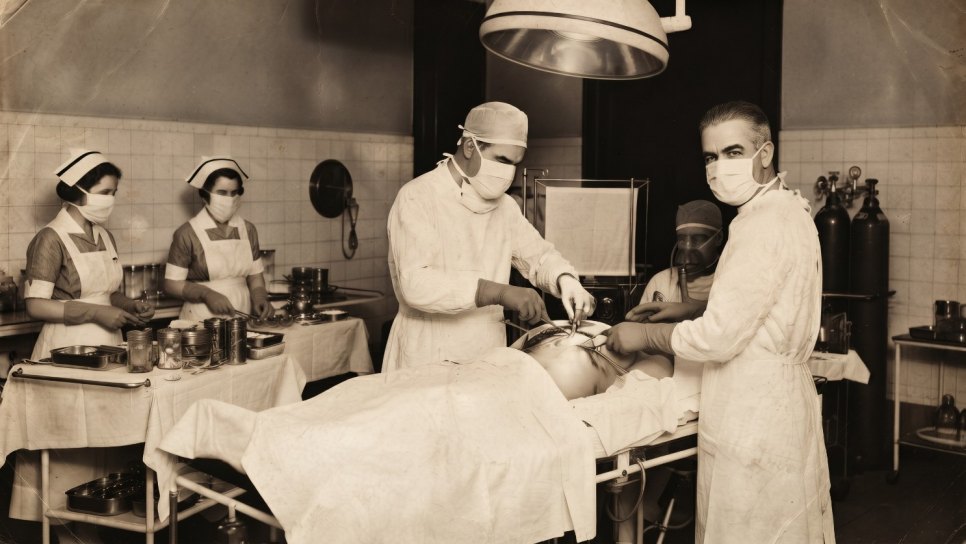
Galen opposed surgery through therapeutic nihilism: "Removing the tumor is not enough, because poison circulates in the blood." Although this hindered surgery for centuries, it can be seen as a primitive ancestor of today’s "microscopic metastasis" concept and whole-body treatments such as chemotherapy. Galen was wrong, but even that error pushed medicine to consider the whole.