
Secondary cancers after chemotherapy and radiotherapy treatment

Secondary cancers can develop years after chemotherapy and radiotherapy treatment. This is quite rare (a risk below %1). It is more common after the treatment of hematological cancers originating in the blood and bone marrow, because higher doses of chemotherapy and/or radiotherapy are used in these treatments.
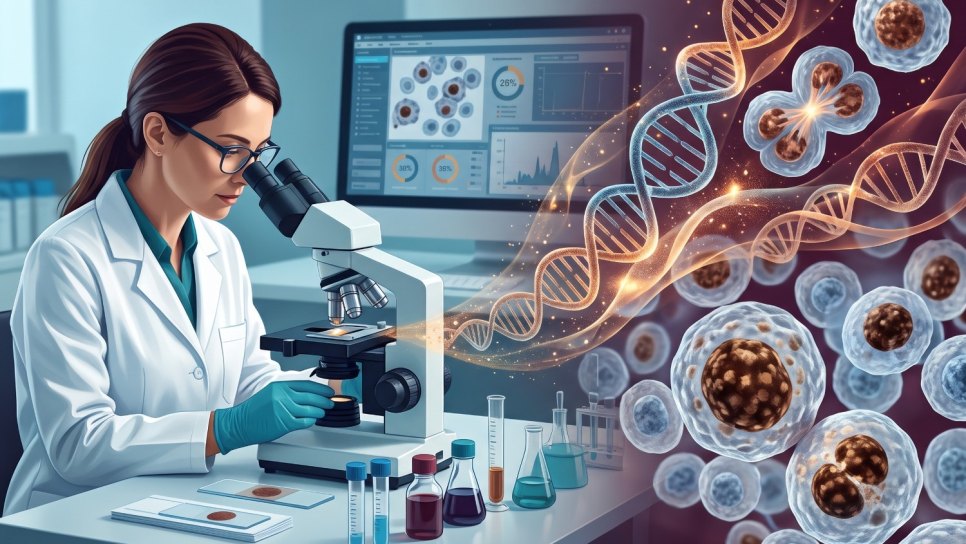
Chemotherapy drugs are cytotoxic, meaning that they kill cells. They do this either by damaging the cell's DNAor by blocking certain steps in the cell division process. Radiation treatment damages cancer cells' DNA by ionizing atoms through the radioactive rays administered (breaks in the DNA double helix).
Because cancer cells divide very rapidly, they are affected much more by chemotherapy and radiotherapy than normal cells. As with all toxic substances, the degree of damage caused by chemotherapy and radiotherapy depends on the dose and duration of use . In other words, exposure to a carcinogen does not mean that you will develop cancer; how long and at how high a dose you are exposed to the carcinogen, together with your genetic background, are the main determinants of developing cancer. You can imagine that smoking for a short time or only a few months will not cause lung cancer; similarly, short-term chemotherapy or radiotherapy is not expected to cause other cancers. Furthermore, chemotherapy drugs used in cancer treatment are generally not used for a duration or at a dose sufficient to cause another cancer, and chemotherapy drugs are alternated both to reduce side effects and to attack the disease through different mechanisms; it is rare for a patient to receive the same chemotherapy continuously.
Was this article helpful?
Your feedback helps us improve our content.
Reader comments
Share your comment
Your name and comment are published only after administrator approval. Your email address is never shown to visitors.
Be the first to comment.