
Spouses of breast cancer patients experience long-term anxiety

Breast cancer affects not only biological tissue but a family, a relationship and a shared life. From diagnosis onward, the spotlight naturally turns to the patient, while spouses, the closest witnesses and supporters throughout the process, often remain “in the shadows”.
Current scientific data show, however, that this role of “staying strong” carries a heavy price. Even after treatment ends, a substantial proportion of spouses, like the patients themselves, continue struggling with long-term anxiety, worries about the future and financial stress . Drawing on scientific studies, this article examines cancer’s “silent” effects on spouses and the reasons behind them.
Our clinical psychologist İnci Cengizprepared this articleto create space not only for our patients diagnosed with breast cancer but also for spouses who often postpone their own feelings, “have to be strong”, carry the burden silently and become invisible. This text is a call to recognize and normalize the anxiety spouses experience and ensure they receive support.
Presented at the 2017 Cancer Survivorship Symposium, Borstelmann et al. conducted a striking study quantifying the psychosocial burden experienced by spouses of young breast cancer patients (under age 40). The study followed 289 spouses for an average of 62 months (5 years), with these results:
Certain structural characteristics distinguish breast cancer from other diseases and make spouses’ anxiety “chronic”.
Breast cancer treatment does not end with surgery. Chemotherapy, radiotherapy and subsequent hormonal treatments, which may last 5-10 years, keep the process constantly “on the agenda”. For spouses, this creates a feeling that the disease is never entirely behind them. The brain remains in constant vigilance, fueling chronic fatigue and anxiety.
Even when the physical threat diminishes after treatment, the perception of a psychological threat continues. Scientific studies show that spouses experience fear of recurrence in two dimensions:
Emotional: Sudden uneasiness, stomach cramps and sleep disturbances that intensify before follow-up appointments.
Cognitive: Persistent thoughts such as “What if it comes back?” and “What if I lose her?” Research suggests that even if emotional reactions decline over time, this cognitive vigilance may last for years.
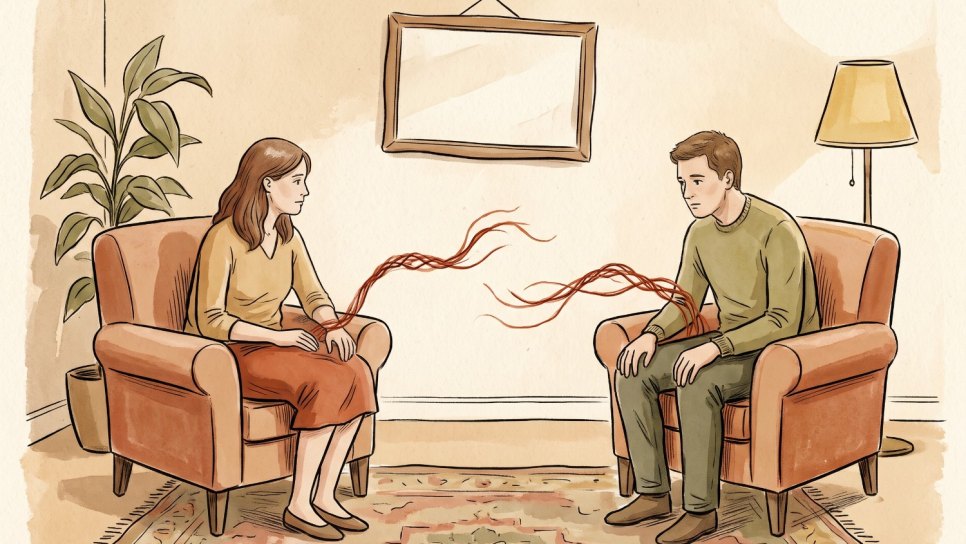
Breast cancer is a relational rather than an individual experience. Studies show that patients’ and spouses’ moods mirror each other. When patients become anxious, spouses’ anxiety increases; however, spouses often suppress their own fears to avoid upsetting the patient (protective buffering). This emotional masking leads to inner isolation and deepening anxiety.
In couples under 40, careers, caring for young children and uncertainty about future plans increase the anxiety burden.
Burnout develops faster in spouses with weak social support who bear the entire care burden alone.
Anxiety becomes persistent in those facing financial uncertainty because of treatment costs or lost working capacity.
DROZDOGAN Academy commentary
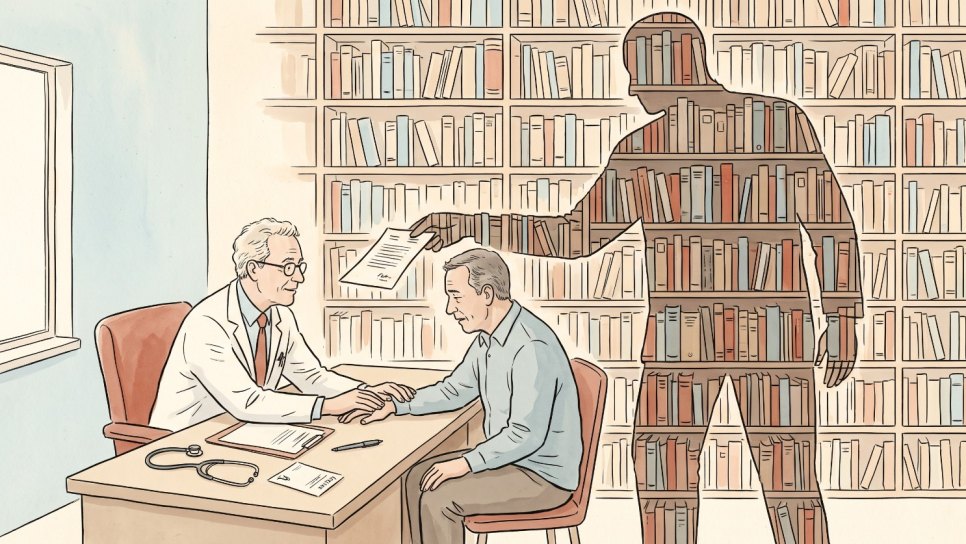
“Fighting breast cancer does not end with eliminating the tumor; it also includes psychological healing for the family accompanying this process. Long-term anxiety in spouses is neither ‘weakness’ nor ‘exaggeration’ but a human response to uncertainty and responsibility.
For holistic recovery, treatment planning must assess the psychosocial needs not only of patients but also of spouses, the ‘invisible heroes’.”
Scientific references
- Borstelmann N, Rosenberg SM, Gelber SI, et al. Partners of young breast cancer survivors: A cross-sectional evaluation of psychosocial issues and mental health. Cancer Survivorship Symposium 2017. Abstract 184.
- Cohee A, Storey S, Winger JG, et al. A cohort study of quality of life in partners of young breast cancer survivors compared to partners of healthy controls. J Patient Rep Outcomes. 2020;4(1):19.
- Hagedoorn M, Sanderman R, Bolks HN, et al. Distress in couples coping with cancer: A meta-analysis and critical review of role and gender effects. Psychol Bull. 2008;134(1):1–30.
- Hodges LJ, Humphris GM, Macfarlane G. A meta-analytic investigation of the relationship between the psychological distress of cancer patients and their carers. Soc Sci Med. 2005;60(1):1–12.
- Liu Q, Ye F, Jiang X, et al. Effects of psychosocial interventions for caregivers of breast cancer patients: A systematic review and meta-analysis. Heliyon. 2023;9(2):e13715.
- Otto AK, Soriano EC, LoSavio ST, et al. The longitudinal course of emotional and cognitive factors of fear of cancer recurrence in breast cancer patients and their partners. Psychooncology. 2022;31(7):1221–1229.
Was this article helpful?
Your feedback helps us improve our content.
Reader comments
Share your comment
Your name and comment are published only after administrator approval. Your email address is never shown to visitors.
Be the first to comment.