
The Effect of Patient Trust on Treatment

On Trust
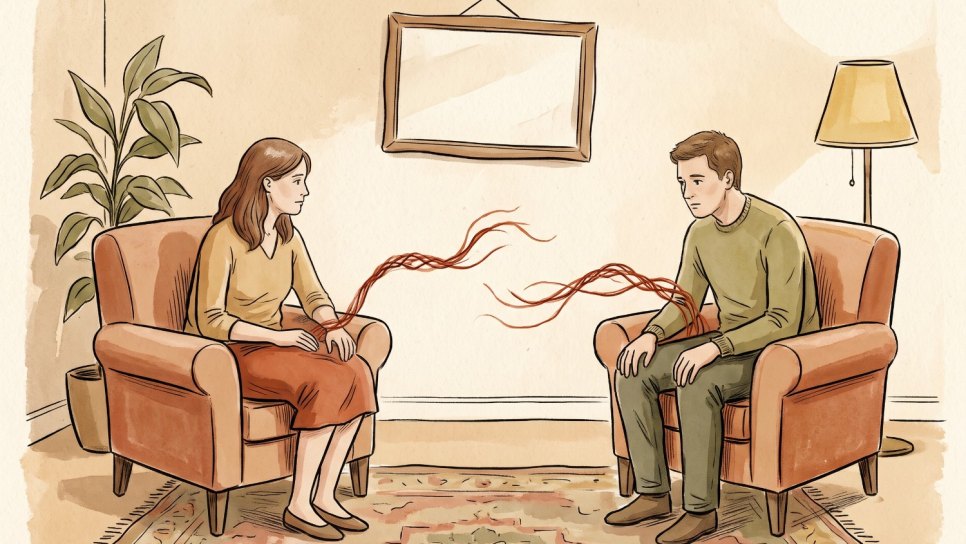
Trusting others is among the concepts we could describe as indispensable to human life, particularly life in society. Interestingly, one of the main requirements for being trustworthy is trusting others.
It is impossible to try to keep everything safe ourselves without leaving some things in life under other people's control. In doing so, we inevitably rely on others' goodwill and expose ourselves to the possibility that this trust will be abused. Trusting someone therefore inherently means being vulnerable and dependent on others. People enter such relationships of trust voluntarily in some circumstances and by necessity in others.
In general, interpersonal trust is stronger than trust in institutions and depends more on a person's current life experiences and character than on their general life choices and outlook.
What interpersonal trust requires can vary between individuals, and we can discuss 4 different definitions:
- First, a relationship of trust that involves predicting the other person's future actions.
- Second, a relationship in which the trusting person has positive expectations that the other person will behave as desired.
- Third, trust involving risk-taking, meaning vulnerability to abuse through the trusted person's actions.
- Finally, a stronger relationship of trust in which the consequences of broken trust are much more serious. This type is more commonly seen among close friends and within families.
Trust in the Patient–Doctor Relationship
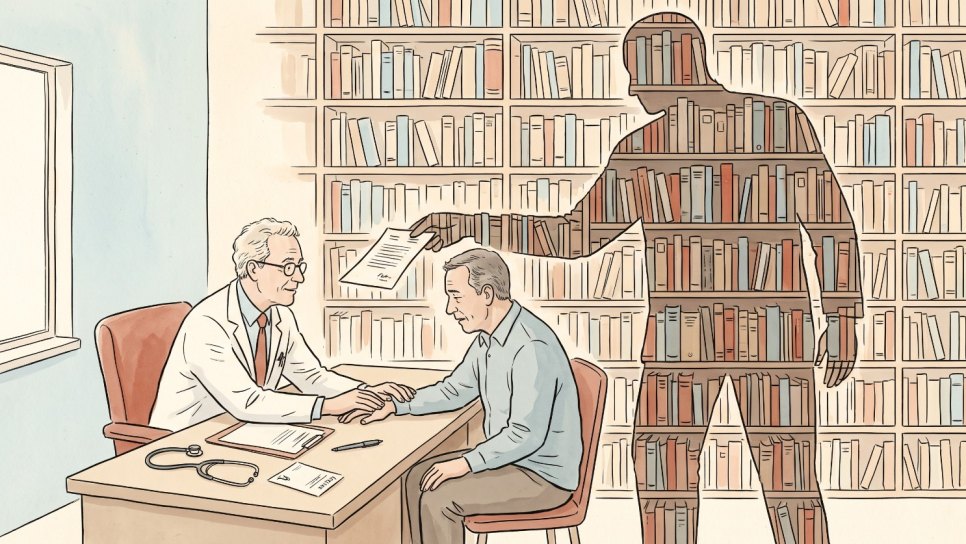
In the patient–doctor relationship, because patients are unable to take responsibility for their health problem alone, they need to trust a doctor with whom they do not have a close relationship in daily life.
The patient–doctor relationship is characterized by an unequal distribution of knowledge and power and, at times, the patient's lack of any option other than trust. Patient trust may sometimes be taken for granted. In general, trust in a physician has been defined as a patient's belief that the doctor acts in the patient's interest. The complexity of the doctor–patient relationship makes a clear definition difficult.
- Examining different patient groups shows that this trust varies according to many factors:
- Research has found women to have a stronger sense of trust than men.
- Other studies have found older people more inclined to trust.
- African Americans have been found to trust doctors less than white Americans, and Germans were found to be the ethnic group with the greatest trust in doctors across Europe.
- Finally, a positive relationship was found between educational level and trust in doctors.
We did not encounter a study showing a relationship between patients' increased access through the internet to health and treatment information and their trust in doctors. However, oncologists' view is that increased internet access will not harm patients' trust.
Can Patient Trust Be Measured?
The absence of a clear, generally accepted definition of patient trust from the outset also makes it difficult to measure.
In reviewing the available literature, we found that patient trust was not the primary topic in most studies addressing it; many reached conclusions about trust as a 2nd inference from the study results. Some studies calculated it from patients' ‘yes’ or ‘no’ answers to ‘Do you trust your doctor?’, while very few graded this trust. Studies that graded patient trust used measures such as patient satisfaction, insisting on seeing the same doctor throughout treatment, willingness to recommend the doctor to friends and not needing a second opinion from another doctor.
Factors Affecting Patients' Trust
- Technological competence is one such factor. Doctors who inform patients about new diagnostic and treatment methods and research are seen as more trustworthy, while trust decreases in doctors who fall short in this respect.
- For physicians in surgical specialties, a relationship was found between postoperative complications and patient distrust.
- Another study showed that using honest, clear language about a poor prognosis (disease outlook) is important for building and maintaining trust with a patient.
- In breast cancer patients, physicians' patient-centered approaches were shown to increase trust.
These behaviors include listening sincerely, being patient with what the patient says, showing genuine concern and making it clear that the patient matters.
What Does Trust Provide?
Both patients and doctors stated that mutual trust is a prerequisite for communication about prognosis (disease outlook) and facilitates it.
A study among older patients found that those with greater trust in their doctor were more satisfied during treatment than those with less trust. Although one study showed that cancer patients' trust in their physicians increased their likelihood of discussing information from independent sources with them, other studies reported the opposite. Patients who trusted their doctors more were found to ask more questions when receiving bad news.
Trust as a Factor Facilitating Decisions
Patients see the trust they develop with doctors as a factor facilitating decisions. They say trusting their doctors encourages them to follow treatment decisions and advice from those doctors.
Trusting patients appear more comfortable delegating responsibility for their health-related decisions to their doctors.
Other studies have found that low-income patients from rural areas trust their physicians' treatment recommendations completely.
Such a high degree of trust leads patients to take a more passive role in treatment. While some doctors consider a more passive patient role beneficial for treatment, views on this vary widely among physicians.
Conclusion
As noted above, some studies do not make trust their primary research subject, while others go no further than offering a theoretical perspective. Very few examine the topic in detail. Based on current studies, it is fair to say that trust has not been studied sufficiently and further research is needed. Nevertheless, in light of the available findings, we as physicians are obliged to do our part and provide an environment our patients can trust.
Sources
Was this article helpful?
Your feedback helps us improve our content.
Reader comments
Share your comment
Your name and comment are published only after administrator approval. Your email address is never shown to visitors.
Be the first to comment.