
The Immunotherapy Drug Nivolumab Extends Survival in Stage 4 or Recurrent Head and Neck Cancers

In this article
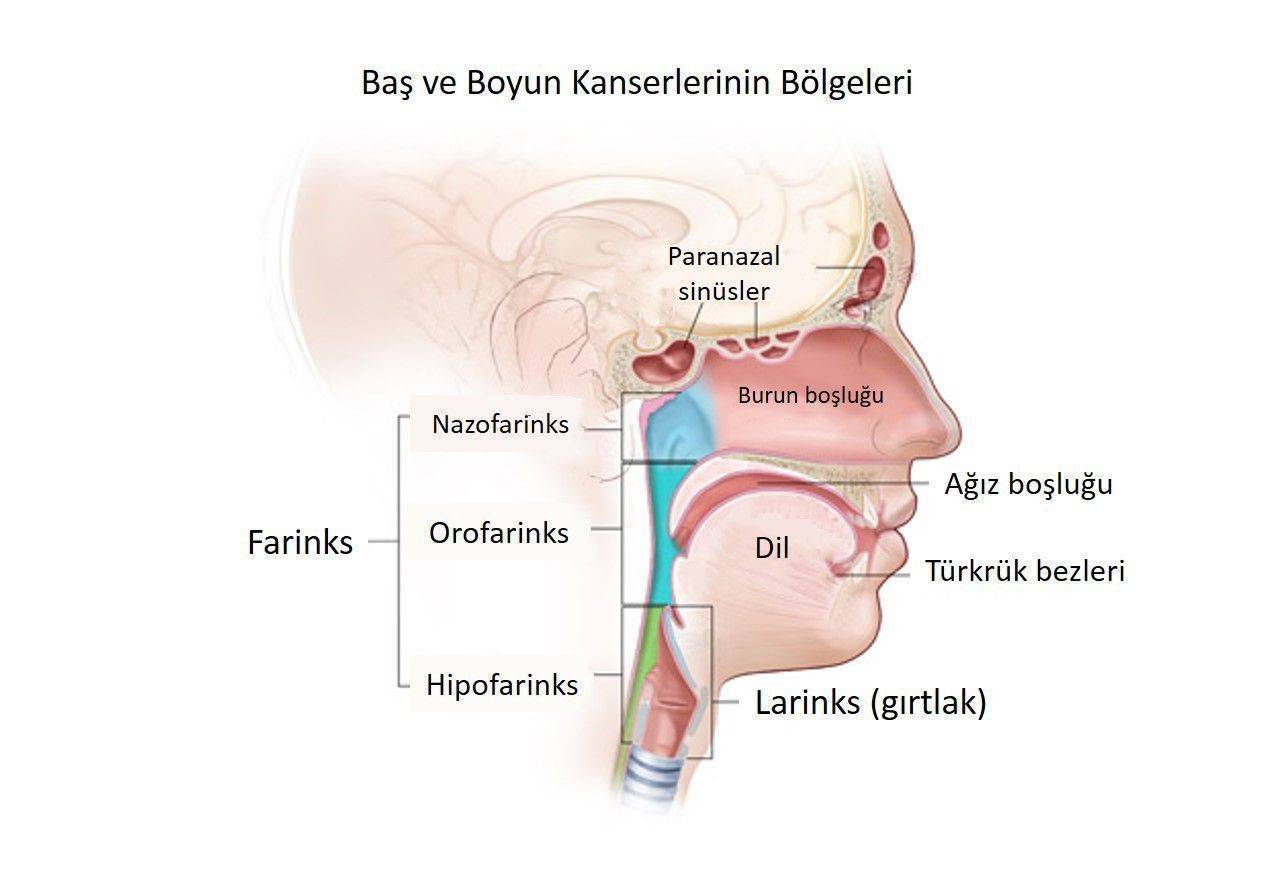
Research conducted by the University of Pittsburgh Cancer Center showed that treatment with the drug Opdivo, whose active ingredient is Nivolumab, doubled overall survival with few side effects in rapidly progressing, treatment-resistant head and neck tumors (squamous cell cancers of the mouth and soft palate, pharynx, larynx, paranasal sinuses and salivary glands). Nivolumab also significantly improved quality of life in this patient group. Because the study results were so striking, the trial was stopped early to allow patients in the comparison group to receive Nivolumab too.
The study findings were presented at the American Cancer Society (ASCO) 2016 annual meeting in Chicago. A subsection of the results had been announced by the American Association for Cancer Research at an earlier meeting this year.
Experts state that these exciting results represent a new standard treatment option for head and neck cancer patients with no other treatment options.
Study Details
The study included 361 patients with metastatic (stage 4) or recurrent squamous cell head and neck cancer, particularly those with worsening disease, rapid spread and no response to platinum-based chemotherapy. Some patients received the new-generation cancer immunotherapy drug nivolumab until tumor progression/spread, while others received standard chemotherapy.
More favorable results were obtained in patients receiving nivolumab than in those receiving standard chemotherapy. After 12 months, 36% of patients receiving nivolumab were alive, compared with 17% of those receiving standard chemotherapy.
Nivolumab treatment doubled the number of patients whose disease had not progressed and whose tumors had shrunk after 6 months of treatment. Another important point is that these positive results were seen with serious side effect complaints in only 1/3 of patients receiving standard chemotherapy.
In addition, quality of life remained stable or improved during the study in patients receiving nivolumab, while it decreased in patients receiving chemotherapy.
Although nivolumab treatment generally increased survival in all patients receiving it, the greatest success was seen particularly in patients positive for human papillomavirus (HPV). This result matters because the association of head and neck cancers with HPV infection has increased by 250% in recent years.
The Future of Head and Neck Cancers
Unfortunately, because cancer was still observed to progress in most patients in this study, experts believe much work remains. However, the future looks brighter than ever because there is a new agent, in other words immunotherapy, that can improve quality of life and extend survival with few side effects in head and neck cancers.
Experts are still working on how best to design effective combination treatments that improve patient responses and on new biomarkers that will show how resistance to cancer drugs develops.
Sources
Further evaluations of nivolumab (nivo) versus investigator’s choice (IC) chemotherapy for recurrent or metastatic (R/M) squamous cell carcinoma of the head and neck (SCCHN): CheckMate 141.
2016 ASCO Annual Meeting. Abstract No: 6009
Was this article helpful?
Your feedback helps us improve our content.




Reader comments
Share your comment
Your name and comment are published only after administrator approval. Your email address is never shown to visitors.
Be the first to comment.