
A New CAR T-Cell Therapy Receives FDA Approval for B-Cell Precursor ALL

In this article
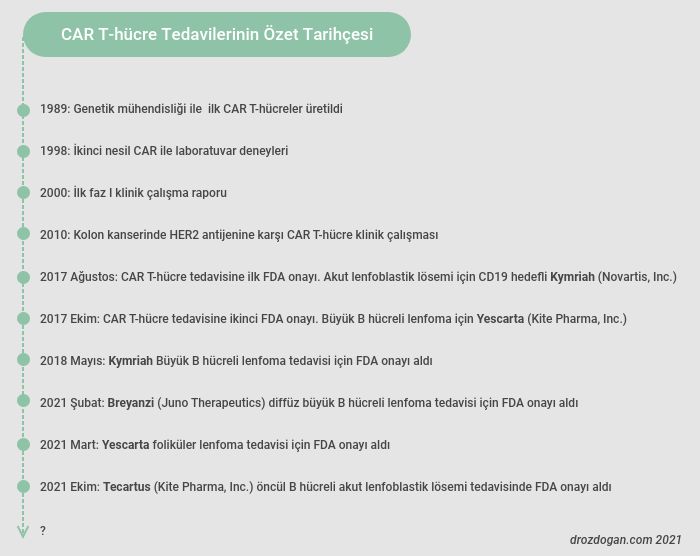
For adult patients with relapsed or treatment-resistant B-cell precursor acute lymphoblastic leukemia (ALL), brexucabtagene autoleucel (Tecartus, Kite Pharma, Inc.), a CAR T-cell immunotherapy, received FDA (US Food and Drug Administration) approval on October 1, 2021.
The efficacy of brexucabtagene autoleucel was evaluated in ZUMA-3, a single-arm, multicenter study evaluating brexucabtagene autoleucel, a chimeric antigen receptor (CAR) T-cell therapy directed against the cell-surface molecule CD19, in adults with relapsed or treatment-resistant B-cell precursor ALL. Patients received a single infusion of brexucabtagene autoleucel after completing lymphocyte-depleting chemotherapy.
Note: CD19 (Cluster of Differentation 19) is a cell membrane protein encoded by the CD19 gene. It is also known as B-lymphocyte antigen. In humans, CD19 is expressed in all B-cell lineages. CD19 plays two main roles in human B cells: on the one hand, it acts as an adaptor protein to recruit cytoplasmic signaling proteins to the membrane; on the other, it works within the CD19/CD21 complex to lower the threshold of B-cell receptor signaling pathways. Because it is present on all B cells, it is both an important biomarker for B-cell leukemias and lymphomas and the most popular CAR T-cell target.

Details of the ZUMA-3 Study
The efficacy outcome measures used to support approval were the complete response rate achieved within 3 months after administration and the duration of complete response.
- Among the patients evaluable for efficacy, 28 of 54 patients achieved a complete response within 3 months (52%; 95% CI: 38-66).
- After responders had been followed for a median of 7.1 months, median duration of response had not yet been reached; the duration of complete response was estimated to exceed 12 months for more than half of the patients.
The prescribing information for brexucabtagene autoleucel contains a warning for cytokine release syndrome and neurological toxicities. Cytokine release syndrome occurred in 92% (Grade ≥3, 26%) and neurological toxicities in 87% (Grade ≥3, 35%). The most common (frequency ≥ %20) nonlaboratory adverse reactions were fever, cytokine release syndrome, hypotension, encephalopathy, tachycardia, nausea, chills, headache, fatigue, febrile neutropenia, diarrhea, musculoskeletal pain, hypoxia, rash, edema, chills, infection, constipation, decreased appetite and vomiting.
The recommended dose of brexucabtagene otoleusel is a single intravenous infusion of 1 x 1,000,000 (1 million) CAR-positive viable T cells per kg of body weight (maximum 1 x 100 million CAR-positive viable T cells), preceded by fludarabine and cyclophosphamide for lymphodepleting chemotherapy.
Sources
Was this article helpful?
Your feedback helps us improve our content.




Reader comments
Share your comment
Your name and comment are published only after administrator approval. Your email address is never shown to visitors.
Be the first to comment.