
Cancer Ribbon Colors—Which Color Represents Which Cancer?

In this article
Cancer Awareness Months and Colors
Cancer ribbons are simple loops of ribbon worn by people with cancer or healthy individuals to raise awareness of the disease and show their support.
There are many different cancer ribbons, each with its own symbolic color. In this article, we provide brief information about specific types of cancer, along with all cancer ribbon colors and their purposes, and list their "awareness months."

Head and neck cancers
Head and neck cancer encompasses a range of different cancers, including those of the:
- mouth
- pharynx
- larynx
- nasal cavity
- sinuses
- salivary glands
For head and neck cancers, the 3 most important causes are alcohol and tobacco use and HPV infection , as a reminder.
- Related topic: Symptoms of head and neck cancers
April begins "Head and Neck Cancer Awareness Month."

Multiple myeloma
Multiple myelomais a hematological cancer (originating in the blood and bone marrow) affecting the immune system's plasma cells. In the United States alone, 2018 estimates put new multiple myeloma cases at 30 thousand.
Marchis "Myeloma Awareness Month."
Leukemia
Leukemia is a type of blood cancer that usually begins in the bone marrow. Leukemia and lymphomaare the most common hematological cancers, and the greatest progress in oncology since the 1960s has been seen in these hematological cancers, with life expectancy increasing more than 4-fold.
Septemberis "Leukemia Awareness Month." Leukemia also shares the orange ribbon with kidney cancer.
Kidney cancer
Kidney cancer is among the 10 most common cancers in Western countries. It tends to occur more frequently in older people and in males. Obesity and smoking are prominent causes of kidney cancer.
Marchis "Kidney Cancer Awareness Month."
- You may be interested: Cancer Facts in Numbers—2018: One in Every 6 People Dies of Cancer
Breast cancer
Probably the best-known cancer ribbon is the pink ribbon representing breast cancer. Researchers and organizations use or wear pink during countless campaigns to highlight their stance against breast cancer.
Octoberis "Breast Cancer Awareness Month."
-You may be interested: Our Breast Cancer Awareness Walk on 17 October 2018
Uterine cancer
Also called uterine or endometrial cancer, uterine cancermost commonly affects women after age 60, that is, women who have entered menopause. It is the 4th most common cancer type among women in our country (2015 statistics).
Septemberis "Gynecological (Female-Specific) Cancer Awareness Month."
Appendix cancer
The amber-colored ribbon represents appendix cancer. Cancer of this organ, located at the end of the small intestine and about the size of a little finger, belongs to the category of rare tumors .
Appendix cancer data for our country are unclear; in the United States, per 100.000 people, there are only approximately 1.2 appendix cancer cases.
There is currently no specific awareness month for appendix cancer.
Childhood cancer
A gold ribbon represents all cancers that occur during childhood. Septemberis "Childhood Cancer Awareness Month."
-You may be interested: The 10 Golden Rules of Cancer Prevention
Bone cancer (osteosarcoma)
The yellow ribbon represents bone cancer (osteosarcoma) . Bone cancer also affects the body's connective tissues, such as cartilage or myofascial tissue.
Julyis "Sarcoma Awareness Month."
Non-Hodgkin lymphoma
Non-Hodgkin lymphoma affects the lymphatic system. In this type of hematological cancer, in approximately 85 percent of cases, the cancer begins in cells producing antibodies that help fight infection, B lymphocytes .
Lymphoma and leukemia are two separate forms of cancer often grouped together because both affect the blood.
Septemberis "World Lymphoma Awareness Month," supporting non-Hodgkin lymphoma and other forms of blood and lymphatic cancer.
Liver cancer
While the incidence of many cancers in developed countries has remained similar in recent years, liver cancer incidence is increasing. There is even evidence that liver cancer has doubled in high-income countries, according to findings.
Octoberis "Liver Cancer Awareness Month."
Ovarian cancer
It is the 6th most common type of cancer among women in our country. Researchers estimate that one in 75 women will experience ovarian cancer during their lifetime.
Septemberis "Ovarian Cancer Awareness Month." In addition, 8 May is "World Ovarian Cancer Day."
Cervical cancer
Pap smear and HPV testing are cervical cancer screening methods that have reduced deaths due to this disease by more than 70 percent.
-Related topic: Australia Is Close to Completely Eliminating Cervical Cancer with the HPV Vaccine
Januaryis "Cervical Cancer Awareness Month."
Prostate cancer
It is estimated that one in every 9 men will be diagnosed with prostate cancer during their lifetime.
Routine screening beginning at age 50 may help diagnose prostate cancer early and avoid serious complications.
Septemberis "Prostate Cancer Awareness Month."
-Related topic: Advances in prostate cancer treatment
Colon and rectal cancer
Colon and rectal cancer affects the large intestine. The most important risk factors are obesity, inactivity, a low-fiber diet, processed meat consumption and smoking. People with inflammatory bowel diseases such as Crohn's disease or colitis are also at greater risk of developing this type of cancer.
Polyps and regular screening for signs of cancer have led to improved survival rates in recent years. When we treat colon cancer in its early stages, the 5-year survival rate is 90 percent.
-Related topic: 7 Alternatives to Colonoscopy for Early Detection of Colon and Rectal Cancer
Marchis "Colorectal Cancer Awareness Month."
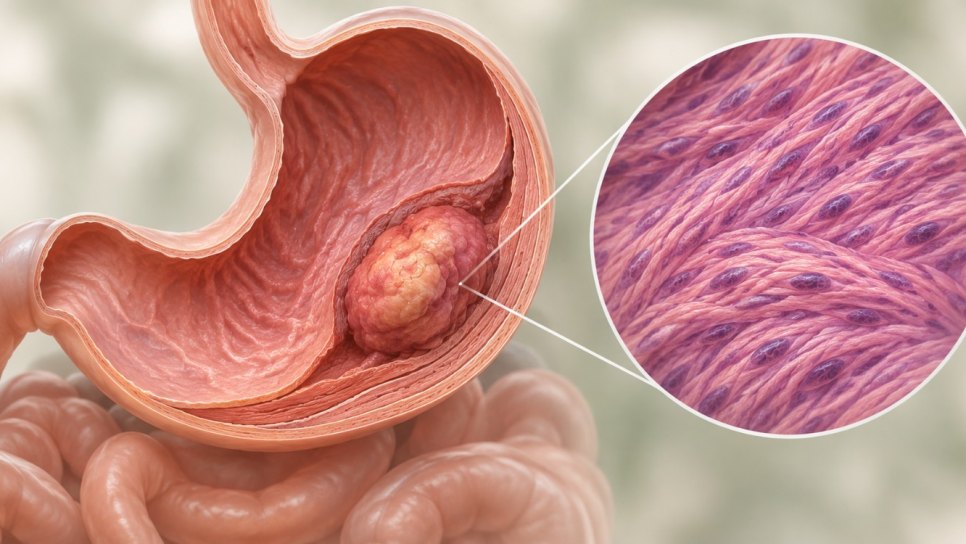
Stomach cancer
A soft, powder-blue ribbon (some call it seaweed-colored) was chosen to represent stomach cancer. Although stomach cancer is among the top 5 causes of cancer-related death worldwide, awareness of and interest in this cancer appear low.
-Related topic: The Surprising History, Causes and Importance of Stomach Cancer
Novemberis "Stomach Cancer Awareness Month."
Testicular cancer
Testicular canceris the most common cancer in men aged 15 to 44.
A newly noticed lump in the testicles is the most important sign of this cancer.
Aprilis "Testicular Cancer Awareness Month."
Pancreatic cancer
Because early detection screening tests are not available, pancreatic cancer is difficult to diagnose in its early stages.
Pancreatic cancer uses a purple ribbon in tribute to a woman's love for her mother. A woman named Rose Schneider, whose favorite color was purple, died of pancreatic cancer. To commemorate her mother, her daughter founded the Pancreatic Cancer Action Network (PanCan) to support people with pancreatic cancer.
Novemberis "Pancreatic Cancer Awareness Month."
All cancers
A lavender ribbon generally signifies support for people living with all types of cancer (cancer survivors). Sometimes people wear a rainbow of ribbons or a ribbon in many different colors to symbolize the same thing.
Every year, 4 February World Cancer Day is observed.
Hodgkin lymphoma
Hodgkin lymphoma is a type of blood cancer in which the cancer begins in the lymph nodes. Hodgkin lymphoma is one of the most treatable of all cancer types.
-You may be interested: Which Types of Cancer Are the Easiest to Overcome?
Septemberis "World Lymphoma Awareness Month."
Skin cancer
Skin cancers are the most common type of cancer worldwide, except in northern countries. However, accounting for % 5 of skin cancers, malignant melanomais one of the aggressive cancers.
Mayis "Skin Cancer Awareness Month." People may also wear a black ribbon to support regular skin checks and preventive screening.
Carcinoid cancer
Carcinoid cancer is less well known than other cancers. According to the American Association for Cancer Research, carcinoid cancer grows very slowly and usually occurs in the small intestine and the bronchial system in the lungs.
In some people it may cause no signs or only mild symptoms, but carcinoid cancer can still be life-threatening.
Novemberis "Carcinoid Cancer Awareness Month."
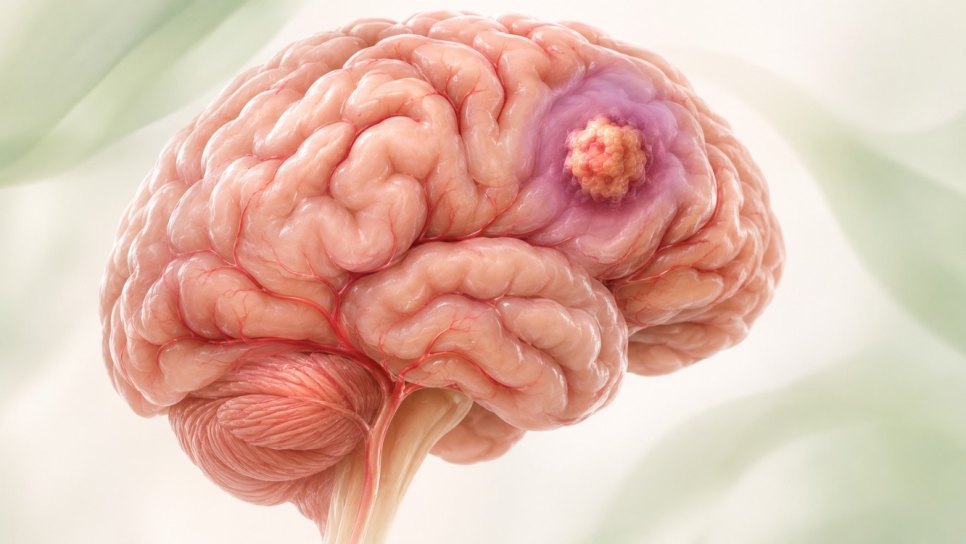
Brain cancer
A gray ribbon, probably reflecting the brain's "gray matter," is used to raise awareness of brain cancer .
While most brain tumors are benign (noncancerous), approximately 37 percent are cancerous.
Mayis "Brain Cancer Awareness Month."
Lung cancer
Lung cancer is by far the leading cause of cancer-related death; this cancer alone accounts for approximately 27 percent of cancer deaths.
Novemberis "Lung Cancer Awareness Month."
-Related topic: Advances in lung cancer treatment
Bladder cancer
A blue, yellow and purple ribbon is used for bladder cancer. Bladder cancer is estimated to account for about 5 percent of all cancer cases. Men develop this cancer more frequently than women.
Mayis "Bladder Cancer Awareness Month."
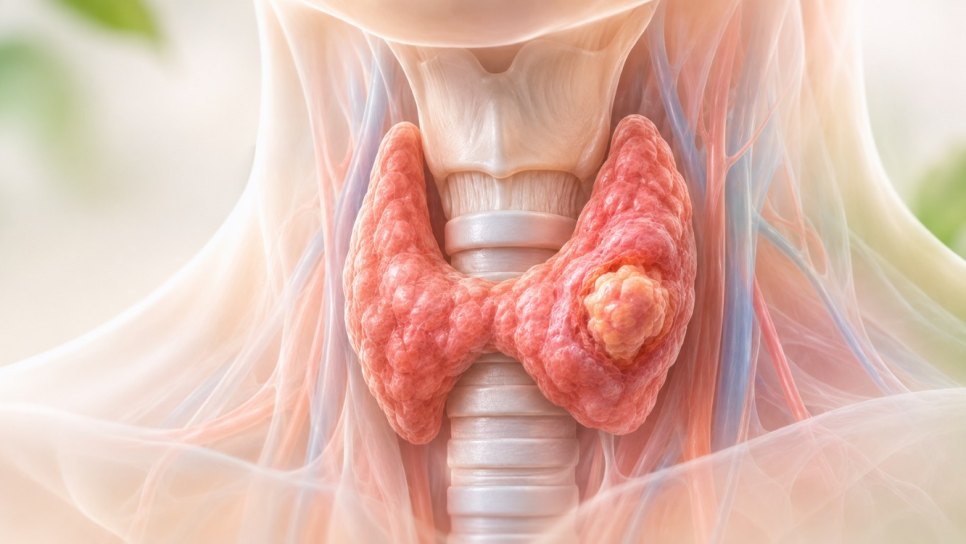
Thyroid cancer
Usually diagnosed at an early stage, thyroid cancersare among the cancers most often completely treated and are more common in women than men.
Septemberis "Thyroid Cancer Awareness Month."
A final note
Using a particular color or ribbon may help people show support for a friend or loved one or share their own cancer diagnosis with others.
Participating in awareness campaigns simply by wearing a ribbon may help educate the public about cancer research and raise funding for new treatments.
Was this article helpful?
Your feedback helps us improve our content.
Reader comments
Share your comment
Your name and comment are published only after administrator approval. Your email address is never shown to visitors.
Be the first to comment.