
Diagnosis and Treatment of Chemotherapy-Induced Neuropathy (Nerve Damage)

In this article
Chemotherapy-induced peripheral neuropathy (nerve damage in the extremities of the hands and feet) is a common cancer treatment adverse effect. It occurs to varying degrees in up to 70 percent during chemotherapy. The degree of nerve damage (neurotoxicity) depends on the drug and dose, sometimes requiring dose reduction or treatment discontinuation.
What Are the Symptoms of Peripheral Neuropathy?
- Numbness, burning, tingling in fingers and toes, pain, loss of sensation
- Extreme sensitivity to cold or heat
- Difficulty picking up or grasping objects or fastening buttons
- Tinnitus, impaired balance, difficulty walking, blood pressure changes, constipation
How Is It Diagnosed and Treated?
Neurologists and physical medicine specialists diagnose and treat neuromuscular diseases. Chemotherapy-induced peripheral neuropathy can be diagnosed based on factors including physical complaints, chemotherapy medicines and timing of treatment. Other important causes—diabetes- and alcohol-related nerve damage and vitamin deficiencies—are excluded. Recommended laboratory screening includes complete blood count, comprehensive metabolic profile, Hemoglobin A1 (HbA1c), serum glucose, serum protein electrophoresis, vitamin B12, erythrocyte sedimentation rate, C-reactive protein, HIV/AIDS and Lyme disease tests. Clinical judgment determines appropriate tests for patients developing chemotherapy-induced neuropathy.
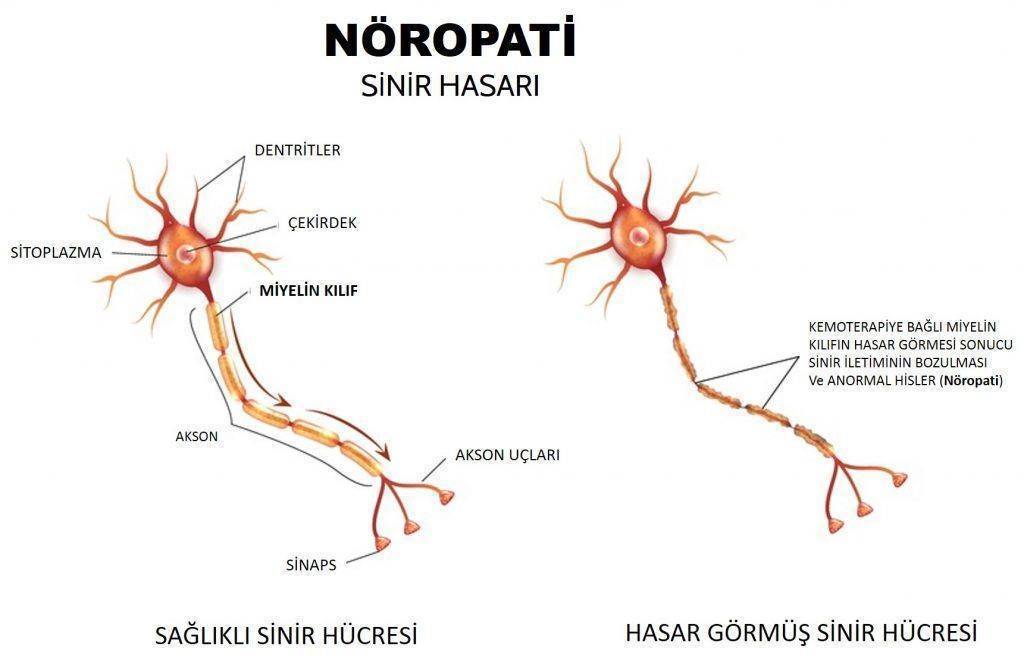
Peripheral nerves form a complex network connecting the brain and spinal cord to muscles, skin and internal organs. Emerging from the spinal cord, they extend with their dermatomes to the body’s extremities. Certain chemotherapy drugs damage various points along this route: the nerve ganglion near the spinal cord, microtubules along the nerve’s long tail, surrounding sheaths and small nerve endings. Disrupting brain–body connections causes impaired muscle movement, loss of sensation in arms and legs, abnormal sensations, pain and movement difficulty.
Neurologists and physical medicine specialists (physiatrists) generally hold certification in electrodiagnostic medicine. Electromyography (EMG) is included in electrodiagnostic examination, commonly used to diagnose chemotherapy-induced neuropathy.
Complications include gait disorders, falls, muscle weakness and skin disorders. A multidisciplinary rehabilitation team organized by a physical medicine specialist can manage them effectively. Screening for balance problems that may cause falls is important. Clear, validated, clinically relevant balance and gait assessment measures how quickly a patient rises from sitting and walks approximately 10 steps. Gait assessment should include stride width, walking speed, foot pain and strength testing.
Strategies to Improve Balance and Prevent Falls
Specialists use many strategies to prevent falls in patients with chemotherapy-induced neuropathy, mostly exercises for specific muscle groups. Other methods include walkers and canes for balance problems, removing rugs and loose floor coverings, and good lighting in the corridor to the bathroom. This can prevent falls in nighttime darkness.
Besides exercises to improve muscle strength, ankle-foot orthoses have been observed to improve walking and balance. An ankle-foot orthosis is a band or splint worn on the lower leg to maintain proper position.
Preventing Foot Ulcers (Wounds)
Loss of foot sensation may cause ulcers in chemotherapy-induced peripheral neuropathy. Feet should be checked regularly, and skin abnormalities treated with wound care and pressure relief. To prevent injuries and open wounds, avoid walking barefoot and wear loose cotton socks or appropriate custom-made shoes. Patients with sensory loss should check bathwater temperature to prevent burns.
Treatment of Neuropathy & Pharmacological Options
Although no agent currently proven to prevent chemotherapy-induced peripheral neuropathy exists, effective medicines can reduce symptoms. These include antidepressants such as Duloxetine and antiepileptics such as Gapabentin and Pregabalin. Steroids, lidocaine patches and numbing creams applied to painful areas may also relieve symptoms without systemic adverse effects. Despite many options, complete relief through pharmacological pain management alone is sometimes impossible. Oral neuropathy medicines may cause drowsiness and dizziness and should be used cautiously.
Additional Treatments
Acupuncture has been shown to improve balance and reduce pain in chemotherapy-induced neuropathy. In one study, electrical nerve stimulation working similarly to acupuncture reduced stabbing pain in 70 percent of patients.
A local anesthetic, lidocaine, administered intravenously, is a promising method for relieving chemotherapy-induced neuropathic complaints. Despite limited trials, some reports describe complete pain relief for 2 weeks or longer. This treatment has risks and must be delivered by experienced practitioners. Complications occur during infusion and include dizziness, nausea and numbness around the mouth. It should not be used in people with preexisting arrhythmia (abnormal heart rhythm).
Another option is Calmare pain therapy, also called Scrambler therapy. This transcutaneous electrical stimulation uses a machine blocking pain-signal transmission and sends non-pain signals to pain-receiving nerve fibers. Studies in cancer- and noncancer-related neuropathic pain report a 74 percent reduction in persistent chronic pain. Studies of cancer-related pain showed only small score reductions, possibly because pain is multifactorial. Another study specifically in chemotherapy-induced peripheral neuropathy found a 59 percent reduction in pain scores. However, its expense limits use to few centers.
Another method is spinal cord stimulation. A device implanted beneath the skin sends electrical signals to the spinal cord, preventing pain messages reaching the brain. Stimulators treat chronic neuropathic pain and some musculoskeletal disorders. Reports describe use in chemotherapy-induced neuropathy; one found improved gait and foot flexibility and reduced pain in two patients.
In conclusion, peripheral neuropathy resulting from cancer treatment is an adverse effect with many treatment options following proper clinical assessment. Neurologists and physical medicine specialists with advanced expertise help patients.
Sources
Was this article helpful?
Your feedback helps us improve our content.




Reader comments
Share your comment
Your name and comment are published only after administrator approval. Your email address is never shown to visitors.
Be the first to comment.