
How Much Sugar Does Each Food Contain? Sugar Consumption and Cancer

In this article
Healthy, balanced eating can be difficult amid daily demands. Cells need sugar for vital functions, but we may unknowingly consume more than necessary. “Hidden” sugars in processed foods particularly promote uncontrolled weight gain. The World Health Organization (WHO) recommends that daily refined sugar not exceed %5 of total energy needs – approximately 25 grams (6 teaspoons) of sugar daily. We must remember that excess sugar harms dental health and invites obesity and many diseases, particularly type 2 diabetes. By causing abdominal fat accumulation, excess sugar may also promote cancer risk long term.

How much sugar is in each food? Below, from fruit and soft drinks to desserts and chocolate, average sugar amounts are presented in tables (teaspoons are used for everyday clarity; 1 teaspoon of granulated sugar ≈ 4 grams). The relationship between sugar in these food groups, health and cancer is also explained using scientific research.
How Much Sugar Is in Fruit?
Fruit and vegetables are probably our most innocent sugar sources. Fruit contains natural fruit sugar, fructose, without added (refined) sugar. Because it comes with fiber, vitamins and antioxidants, fruit sugar is less concerning than processed-food sugar. The table lists some fruits' average sugar amounts per 100 grams as follows:
| Fruit (100 g) | Sugar Amount (teaspoons) |
|---|---|
| Banana | ~3 (teaspoons) |
| Mango | ~3,2 |
| Apple | ~2,6 |
| Pineapple | ~2,5 |
| Grapes | ~4 |
| Lemon | ~0,6 |
| Kiwi | ~2,3 |
| Apricot | ~2,3 |
| Strawberry | ~1,3 |
| Raspberry (Framboise) | ~1 |
| Blueberry | ~1,7 |
| Cornelian cherry | ~1 |
| Tomato | ~0,7 |
Fruit's fructose comes with fiber and other nutrients, so the body absorbs it more slowly without sudden blood sugar rises. We can therefore describe fruit sugar as healthy sugar . A plant-based diet rich in fruit and vegetables even reduces the risk of various cancers, including mouth, esophageal, stomach and lung cancers. However, even fruit sugar, taken in excessive amounts , can fill our daily sugar allowance; consume fruit moderately and particularly limit fiber-stripped forms such as fresh juice.
How Much Sugar Is in Chocolate?
Much of the chocolate and confectionery bought in shops derives its flavor from added sugar. Industrial chocolates in particular are often sweetened with refined sources such as high-fructose corn syrup to intensify flavor and extend shelf life. Unfortunately, these products lack nutrition and are “empty calorie” sources. The table gives approximate sugar in one serving (one bar) of popular chocolate bars:
| Chocolate (one bar) | Sugar Amount (teaspoons) |
|---|---|
| Snickers (52,7 g) | ~6,8 |
| Milk chocolate bar (44 g) | ~5,8 |
| Milky Way (58 g) | ~8,8 |
| 3 Musketeers (60 g) | ~10 |
| Twix (50,7 g) | ~6 |
| M&M’s milk chocolate bar (47,9 g) | ~7,5 |
Even one chocolate bar can contain sugar equivalent to 5-10 teaspoons, approaching or exceeding the WHO's daily total limit (6 teaspoons). Frequent chocolate and confectionery consumption may unknowingly cause excessive sugar intake and weight gain, tooth decay and metabolic problems. Obesity from excess calories is scientifically established as a risk factor for at least 13 cancers. Watch chocolate portions and, if possible, choose high-cocoa, low-sugar dark chocolate as a healthier option.
Sugar Content of Soft Drinks
Carbonated drinks and similar soft drinksare leading sources of hidden sugar increasing intake. Most colas, fruit-flavored sodas and energy drinks are high-calorie products containing much table sugar or corn syrup. The average sugar content per can (approximately 330 ml) of common soft drinks is listed below:
| Drink (330 ml) | Sugar Amount (teaspoons) |
|---|---|
| Cola (Coca-Cola, 330 ml) | ~8,25 |
| Cola (Pepsi, 330 ml) | ~8,75 |
| Lemon soda (Sprite, 330 ml) | ~8,25 |
| Energy drink (Red Bull, 250 ml) | ~6,9 |
| Orange soda (Fanta, 330 ml) | ~7-8 **(estimated) |
| Mountain soda (Mountain Dew, 330 ml) | ~11,5 |
One can of carbonated drink delivers 8-12 teaspoons of refined sugar. For example, a large French study of 100 thousand people observed that just an extra 100 ml daily (approximately 2 cans weekly) of sugary drink increased overall cancer risk by %18 and breast cancer risk by %22. Besides indirectly raising risk through obesity, frequent heavy consumption can cause sudden blood sugar spikes and impair insulin balance. American Heart Association publications also show that drinking more than 1 glass (approximately 240 ml) of sugary soft drink daily significantly increases heart disease and diabetes risk.
Avoiding colored sodas and energy drinks, common particularly among children and young people, and choosing water or unsweetened drinks for thirst matter. Coffee-based drinks (such as creamy, syrup-flavored coffees) may also contain unexpected sugar. For example, a large White Chocolate Mocha may contain sugar equivalent to approximately 13 teaspoons without cream and 18 with cream. Consuming these drinks infrequently or choosing less-syrupy/sugar-free versions is better for health.
How Much Sugar Is in Desserts?
Cakes, desserts and pastries are high-carbohydrate foods because of both sugar and flour. Cream cakes, syrupy desserts and pastries (cakes, cookies, etc.) may deliver much sugar quickly. The table shows approximate sugar in various dessert portions as follows:
| Dessert (portion) | Sugar Amount (teaspoons) |
|---|---|
| Baklava (1 slice) | ~4 |
| Carrot cake (1 slice) | ~3 |
| Milk pudding (1 bowl) | ~3,25 |
| Jam doughnut (1 doughnut) | ~3,5 |
| Fruit cream cake (1 slice) | ~5 |
| Chocolate muffin (1 muffin) | ~4,75 |
| Ice cream (1 scoop) | ~3 |
The list shows that many dessert portions contain around 3-5 teaspoons of sugar. For example, our classic syrupy dessert, baklava contains approximately 15 grams in one slice, equivalent to about 4 dessertspoons. A fruit cream cake slice or milk dessert may similarly reach 3-5 spoonfuls. Many also contain high fat and therefore many calories. Some studies in people heavily consuming sugary pastries such as cakes and biscuits found increased risk of certain cancers; however, because these foods also contain fat, this was not interpreted as sugar's direct effect. Nevertheless, frequent sugary, fatty desserts increase the likelihood of weight gain and insulin resistance. Obesity predisposes to many cancers, as noted above. Portion control, limiting desserts to special occasions if possible, and staying within daily calorie balance therefore matter.
For healthier choices when craving sweets, choose fruit desserts or smaller portions and try reduced-sugar recipes. For example, fresh fruit with yogurt or homemade low-sugar rice pudding offers more innocent alternatives to heavy syrupy desserts.
Sugar Consumption and Cancer Risk
The relationship between sugar and cancerhas recently been central to scientific research and popular health debate. The common phrase “sugar feeds cancer” may lead patients to eliminate sugar. Reality is more complex. All cells, including cancer cells, need glucose (blood sugar) for energy. However, there is no scientific evidence that excess sugar specifically feeds cancer cells. A healthy person eating much sugar does not directly accelerate cancer cell growth; eliminating sugar does not stop an existing tumor either.
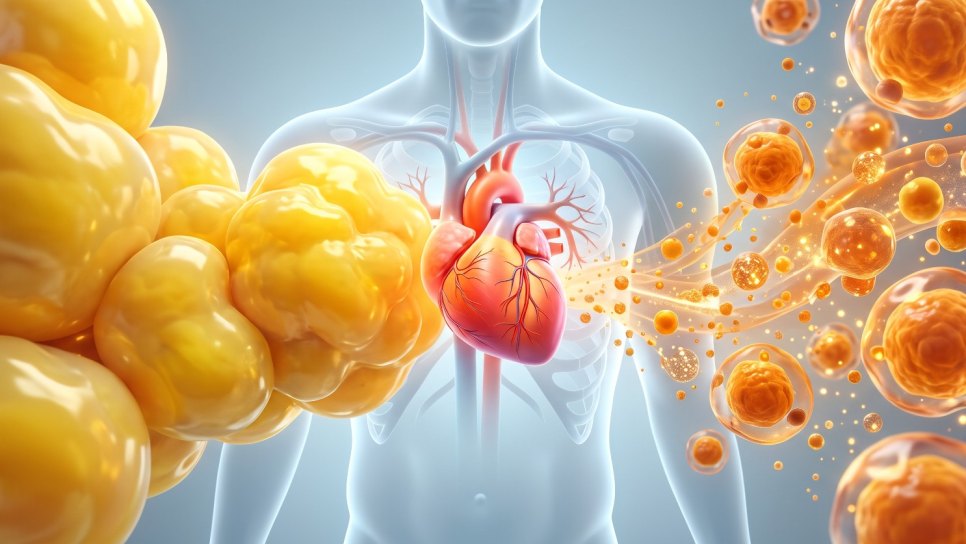
Sugar's relationship with cancer is mainly indirect . Excess intake causes weight gain and fat accumulation. Comprehensive research defines obesity as a risk factor for at least 13 cancers ; excess fat raises hormones such as estrogen and insulin and causes chronic inflammation , predisposing to cancer. Abdominal fat particularly contributes to colorectal, postmenopausal breast, uterine, kidney, pancreatic and esophageal cancers, among others. Therefore, reducing sugar consumptionis indirectly part of cancer prevention (like maintaining healthy weight).
Another important consideration is dietary quality. Removing beneficial foods such as fruit to avoid all sugar is inappropriate. Conversely, a diet rich in fruit and vegetables helps reduce many cancers, particularly mouth, pharyngeal, esophageal, stomach and lung cancers. The real priority is limiting foods with added refined sugar (sugary drinks, desserts, pastries, etc.) and obtaining sugar naturally from fruit, vegetables and whole grains where possible. Fresh fruit and complex carbohydrates easily meet the body's needs. Authorities such as the American Cancer Society likewise recommend reducing processed sugar consumptionwhile increasing fiber-rich plant foods in the diet.
In conclusion, moderate sugar can be compatible with healthy living, but excessive sugar consumption can indirectly invite serious health problems. Particularly to prevent cancer maintain ideal weight, exercise regularly and avoid excessively sugary foods.
Frequently Asked Questions
Is fruit sugar harmful?
Fruit sugar is natural fructose and, thanks to fiber, raises blood sugar more steadily than refined sugar. Normal fruit portions are therefore healthy, and vitamins, minerals and fiber protect against many diseases, including cancer. Fruit sugar can generally be considered not harmful but beneficial. However, juice and dried fruit concentrate sugar, so consume them moderately. Particularly with diabetes and other conditions closely involving blood sugar, choose low-glycemic-index fruit and watch portions. Generally healthy people are advised to eat 2-3 fresh-fruit portions daily.
Does excessive sugar cause cancer?
Indirectly, yes. Excess sugar does not directly mutate cells and initiate cancer; however, it usually means excess calories and weight gain. Obesityis associated with at least 13 cancers, particularly colorectal, postmenopausal breast, uterine, kidney and pancreatic cancers. Overweight people eating high-sugar diets for years are thus more likely to develop certain cancers. Such diets may also cause insulin resistance and chronic inflammation, creating a favorable environment. In summary, sugar consumed at reasonable levels does not cause cancer; however, excess may indirectly predispose to it. Limiting intake therefore matters.
Must cancer patients eliminate sugar completely?
No, people diagnosed with cancer need not follow a completely sugar-free diet. Healthy cells need sugar too, and eliminating it may deprive them of nutrients and cause serious weight loss and weakness. Like everyone, cancer patients benefit from a low-refined-sugar, nutrient-rich diet. Minimize processed sweets and sugary drinks and obtain carbohydrates from whole grains, legumes and fruit. Studies show low or high sugar intake does not directly affect cancer-treatment success. The priority is for the patient, through balanced eating , to maintain strength and receive the calories and nutrients such as protein and vitamins needed to respond well to treatment. An individualized plan with a nutrition professional is best.
What is the maximum daily sugar amount?
The World Health Organization recommends daily added sugar ideally not exceed %5 of total energy. For adults, approximately 25 grams meaning 6 teaspoons of sugar. The absolute upper limit is %10 of energy (approximately 50 grams, 12 teaspoons), but the %5 goal is emphasized for health benefits. The American Heart Association similarly recommends for women daily 6 teaspoons (≈100 kcal), and for men 9 teaspoons (≈150 kcal) as added-sugar limits. These cover everything from sugar in tea to all hidden sugars in food and drinks, the total added sugar.
To reduce daily intake: eliminate sugary drinks if possible (choose water, sparkling water, unsweetened tea/coffee), read packaged-food labels and choose sugar-free or low-sugar products, and satisfy cravings with natural snacks such as fruit. Taste preferences can adapt; after a few weeks eating less sugar, you will notice fewer cravings.
Conclusion
Informed sugar choices can keep you fit and protect against many chronic diseases, including cancer, long term. The priority is moderation in every food and developing balanced eating habits. The healthiest lifestyle obtains sugar from fresh fruit, vegetables and grains instead of processed foods and includes physical activity.

RELATED TOPICS
Can people with diabetes eat fruit? Useful information about fruit and diabetes
Learn What the Glycemic Index Is with a Delicious Fruit Salad Recipe
Sources
Who.int, 4 March 2015
2. Aseem Malhotra.
The dietary advice on added sugar needs emergency surgery.
BMJ 2013
3. Jennifer L. Harris ve ark.
Effects of Serving High-Sugar Cereals on Children's Breakfast-Eating Behavior.
Pediatrics. January 2011
Was this article helpful?
Your feedback helps us improve our content.


Reader comments
Share your comment
Your name and comment are published only after administrator approval. Your email address is never shown to visitors.
Be the first to comment.