
Is Life Expectancy in People with Lynch Syndrome Similar to the General Population?

In this article
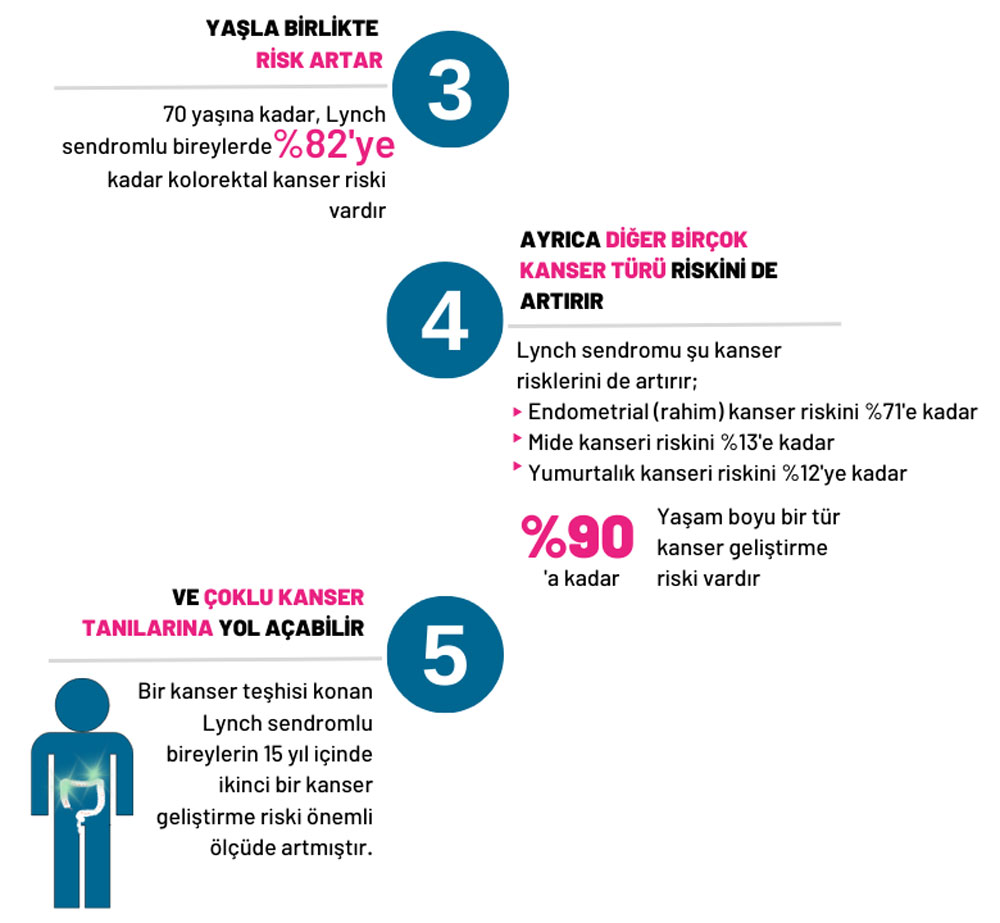
Lynch syndromeis an inherited genetic condition in people carrying mutations in DNA mismatch repair genes. It increases the risk of colorectal cancers and various other cancer types. However, a new study found that all-cause mortality rates in people with Lynch syndrome, when compared with those in the general population, showed no significant difference compared with the general population. Mortality was higher, however, among those who did not follow recommended colonoscopy screening.
The Dutch Study
Published on January 10, 2025, in Gastroenterology , the study examined mortality among 1030 carriers of a DNA mismatch repair gene mutation (pathological variant, PV) and 569 PV-negative relatives registered in the Dutch Hereditary Cancer Registry.
- PV (Pathological Variant): A genetic alteration in people carrying a DNA mismatch repair gene mutation that may confer a risk of certain diseases or cancers. MLH1, MSH2, MSH6, PMS2 are examples of genes in which pathogenic mutations fall into this group.
- PV-Negative: People who do not carry a pathological variant in DNA mismatch repair genes and are therefore not genetically affected by these mutations.
Each participant was matched to people without Lynch syndrome from the Dutch general population. A survey also explored PV-positive individuals' expectations about survival; responses from 47 people were compared with those of a panel representing the Dutch general population.
Notable Findings
-
Mortality among PV-positive individuals was similar to the general population (HR: 1.08; 95% CI: 0.86-1.35).
-
However, PV-positive individuals had higher mortality than PV-negative relatives (HR: 1.51; 95% CI: 1.08-2.11).
-
PV-negative relatives had lower mortality than the general population (HR: 0.71; 95% CI: 0.56-0.92). This may reflect greater health awareness because of their family history of cancer.
-
Among PV-positive individuals undergoing regular colonoscopy (at least every two years), mortality was not increased compared with PV-negative relatives (HR: 1.13; 95% CI: 0.74-1.72).
-
PV-positive individuals were more pessimistic than the general population, expecting their lives to be an average of 2.4 years shorter.
What Do These Results Mean?
The study is important because its findings suggest that people with Lynch syndrome have life expectancy similar to the general population. Specialists in oncology, genetic counseling, and gastroenterology may use these findings to help reduce patients' unnecessary anxiety.
The findings also reinforce the critical importance of cancer screening, particularly regular colonoscopy, for people living with Lynch syndrome.



Sources
Was this article helpful?
Your feedback helps us improve our content.




Reader comments
Share your comment
Your name and comment are published only after administrator approval. Your email address is never shown to visitors.
Be the first to comment.