
Malignant Skin Ulcers (Wounds) Seen in Some Cancers

In this article
Malignant skin ulcers occur when some cancers progress from beneath the skin toward the surface, creating wounds that grow outward. These ulcers may be the first sign of cancer or an accompanying problem in advanced stages of a diagnosed cancer; however, they are rare in both of these 2 situations. Problems associated with these wounds can include discharge, unpleasant odor, pain, itching and bleeding. They occur most often in breast, head and neck cancers and malignant melanoma . They occur most often in these cancers because they develop close to or on the skin. They may appear where the cancer first began or at sites of metastasis .
Problems associated with cancer-related skin wounds include:
- Discharge
- Odor
- Pain
- Bleeding
- Itching
Treatments Directed at the Cancer Itself Also Help These Wounds Heal
These treatments shrink the wound, although it generally does not resolve completely. Palliative care experience enables a nurse to provide wound care . After a while, patients or relatives may also perform wound care themselves. Wound care or dressings improve problems associated with the wound, such as odor, discharge and appearance.
Discharge
Discharge is one of the most common problems in these wounds. It is often caused by infection; discharge rarely occurs in an uninfected wound. It generally results from wound infections caused by bacteria. If discharge occurs, a medical examination and some tests are needed before starting antibiotic treatment. In addition to local antibiotics used in dressings, oral or intravenous antibiotics may be started. Heavy discharge requires more frequent, demanding dressing changes. Absorbent dressing materials are used. These may be lower-cost gauze, or more expensive products that absorb and retain discharge for longer, allowing less frequent changes. Infection-related discharge can cause redness deep at the border between the wound and healthy skin. Barrier creams applied to healthy skin around the wound are recommended for this. Ask your doctor or wound care nurse about washing a draining wound. Washing some wounds and using soaps or gels recommended by professionals is appropriate. Cleaning the wound by washing helps the patient feel better and reduces odor if present.
Unpleasant Odor
Unpleasant odor is another common problem in cancer-related skin wounds. Various options are available to manage it. Odor can sometimes occur with wound infection , but it can also develop without infection. New odor requires medical assessment. If infection is present, antibiotic treatment will eliminate the odor problem. Various topical products used in wound care and dressings can eliminate odor. Antimicrobial dressings in particular prevent odor by reducing the microbial load in the wound.
If infection causes the odor, the problem may persist despite treatment directed at it. People may feel bad because they are causing an unwanted smell in their surroundings. Air fresheners, odor neutralizers, air filters and aromatherapy oils can help address this. These products must never be applied to the wound itself.
Pain
Pain in the wound area generally results from nerve damage caused by tumor tissue. Wound infection is another possible cause. Treatment prescribed by your doctor for pain should resolve this problem. However, if pain has not sufficiently decreased or gone away, return to your doctor to adjust treatment. Even if there is no constant pain, dressing changes may hurt. Tell your nurse or doctor if this happens. Various pain medicines may be used before dressing changes on a doctor’s recommendation.
Bleeding
Bleeding can occur when tumor tissue damages small blood vessels. It may be mild oozing or sometimes heavy bleeding. Seek medical assessment if the wound bleeds or existing bleeding increases. Local or systemic treatments can reduce or stop bleeding. Bleeding may also occur during dressing changes. More advanced dressings can be used instead of gauze to prevent this. When changing a gauze dressing, carefully wetting it may prevent bleeding and pain caused by adhesion.
Itching
Itching results from stretching of the skin by tumor and wound tissue or stimulation of nearby nerve endings by chemicals released from surrounding tissue. Antihistamines are the most commonly used drug group for itching, but may sometimes be insufficient. Moisturizing applications that reduce skin tightness may also help. If itching persists despite these options, TENS (Transcutaneous Electrical Nerve Stimulation) may be used on the recommendation of your doctor or wound care nurse. TENS may reduce itching by sending impulses through the skin to surrounding nerves. Products applied to the wound or adhesive tapes used to secure dressings can cause allergies. This possibility should be considered.
Having a wound like this can cause emotional distress such as embarrassment or a depressive state. People may develop negative thoughts about their body’s appearance and want to distance themselves from their social circle and family. Sharing the resulting anxiety and sadness with family or others close to them, and being able to express themselves, can be comforting. The emotional distress caused by the wound should also be shared with doctors and nurses. Remember that patients themselves notice the wound more than those around them; in other words, people around the patient are less aware of the wound than the patient is.
*
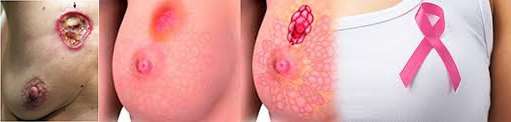
An example of a malignant ulcer due to breast cancer can be seen below (far left):
Sources
2. Thomas Merz, Carsten Klein, Barbara Uebach, Martina Kern, Christoph Ostgathe and Johannes Bükkia.
Fungating Wounds – Multidimensional Challenge in Palliative Care.
Breast Care (Basel). Feb 2011.
Was this article helpful?
Your feedback helps us improve our content.




Reader comments
Share your comment
Your name and comment are published only after administrator approval. Your email address is never shown to visitors.
Be the first to comment.