
Preventing Cancer with Immunotherapy – New Hope in Lynch Syndrome

In this article
What Is Lynch Syndrome, and Why Does It Matter?
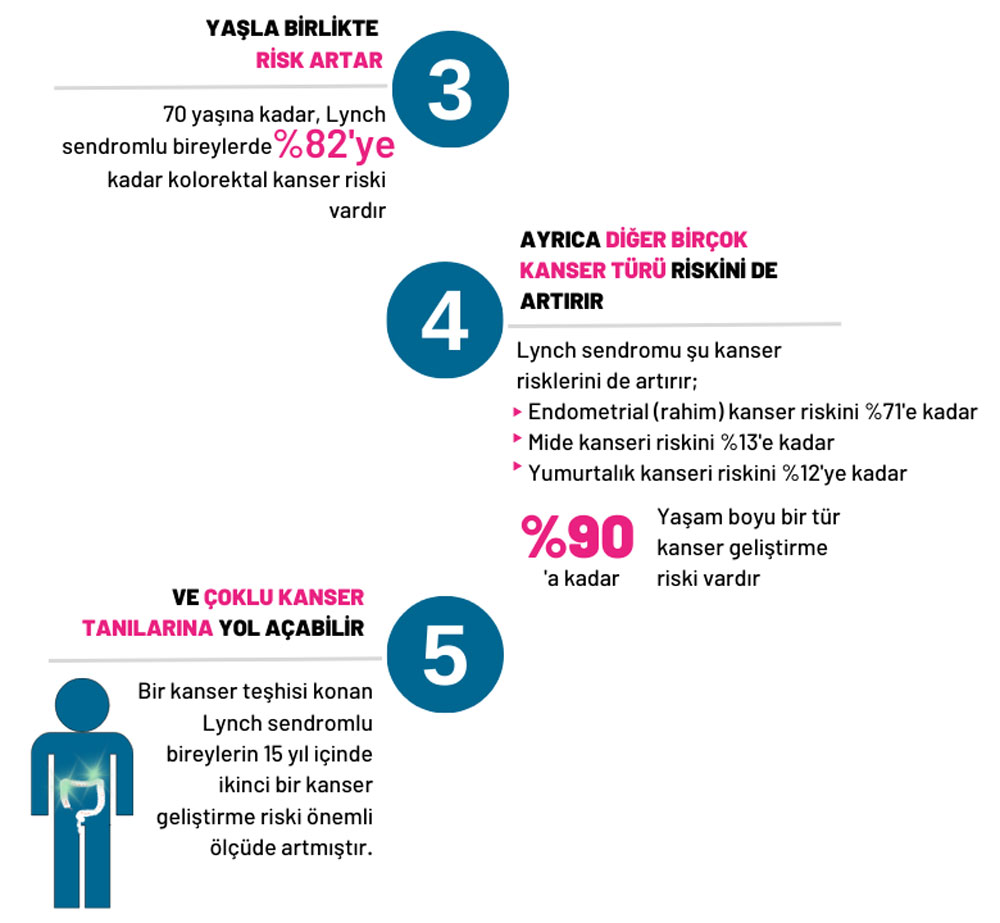
Lynch syndrome, an inherited genetic condition, greatly increases cancer risk because of a defect in the ability to repair DNA damage. People with this syndrome have a very high lifetime probability of developing at least one type of cancer: 70%. It is most commonly associated with bowel (colon and rectal), stomach, and uterine (endometrial) cancers. Ovarian, small-bowel, and certain ureteral tumors are also among the risks.
On 16 October 2023, Nature Medicine published a study presenting a treatment option that could help control the risks associated with this genetic condition: immune checkpoint inhibitors, a class of immunotherapy.
Key Findings of the Nature Study
-
Number of Participants:
- The study included a total of 172 patients diagnosed with Lynch syndrome.
- These patients were treated with immune checkpoint inhibitors (Opdivo, Keytruda, etc.).
-
Development of New Cancers:
- After immunotherapy, approximately 12% of patients developed a new cancer (21 patients).
- Approximately 50% of these new cancers were skin cancers(less serious types).
-
Skin Cancers and Visceral Tumors:
- Most skin cancers were easily detected and treated.
- The rate of visceral (internal organ) tumors was significantly lower among patients receiving immunotherapy:
- The proportion of patients who subsequently developed internal organ tumors was 8%among those receiving immunotherapy, compared with 16% among those who did not.
-
Comparative Risk Analysis:
- Patients receiving immunotherapy were compared with patients in the control group (who received chemotherapy).
- The rate of serious cancers developing in the immunotherapy group was approximately 50% lower.
-
Timeline:
- In the study, patients were followed after treatment for 3 years.
- During follow-up, the rate of serious visceral tumors remained markedly lower in the immunotherapy group.
-
Side Effects:
- In addition to skin cancers, some mild immune-related side effects of immunotherapy were observed.
- However, the vast majority of these side effects were considered manageable or treatable.
These findings suggest that immune therapy could potentially have a role not only in treating cancer but also in preventing it.

Advantages and Limitations of Immune Therapy
The study emphasizes that skin cancers developing in patients receiving immune therapy could be detected early and treated easily. More important, however, was the reduction in the rate of visceral tumors.
These skin cancers do not have a major clinical impact. What really matters is that we were able to reduce internal organ tumors.
The side effects of immune checkpoint inhibitors must also be carefully considered. Patients and doctors need to weigh these effects carefully if the treatment is to be used preventively.
More Skin Cancers in People with Lynch Syndrome Receiving Immunotherapy
There may be several possible reasons why skin cancers occur more frequently in patients with Lynch syndrome receiving immunotherapy. Although the underlying mechanisms remain unclear, the following possibilities can be considered:
1. Side Effects of Immune System Activation
Immunotherapies aim to target cancer cells by activating the immune system. However, this activation may cause the immune system to overreact against healthy skin cells. By increasing cell proliferation or promoting the progression of precancerous lesions, this could facilitate the development of skin cancers.
2. Sensitivity to Ultraviolet (UV) Light
Changes in the immune system may make skin cells more vulnerable to UV radiation. After immunotherapy, patients' skin may be more sensitive to sunlight, potentially increasing the risk of skin cancers.
3. The Distinctive Genetic Background of Lynch Syndrome
Defective DNA repair mechanisms (MMRd) in people with Lynch syndrome may cause cellular mutations to accumulate in the skin as well as in internal organs. Immunotherapy may trigger this genetic predisposition, leading to more frequent skin cancers.
4. Immune System Prioritization
Immunotherapy may make the immune system particularly effective against visceral tumors. Meanwhile, it may overlook some precancerous or low-risk lesions developing in the skin. This could result in more frequent skin cancers.
The Mechanism of Immune Therapy in Lynch Syndrome
In Lynch syndrome, defects in the mechanisms responsible for DNA repair (dMMR) increase the risk of cancer.
dMMR (mismatch repair deficient) is an abnormality affecting the proper repair of DNA within cells and is identified through genetic testing of tumor tissue.
This makes tumors more visible to the immune system. Checkpoint inhibitors, which direct the immune system to fight cancer, can therefore be very effective in patients with dMMR tumors.
This study reveals the potential of immune therapy to prevent cancer for the first time.
The Importance of Lynch Syndrome Diagnosis and Screening
90% of people with Lynch syndrome do not know they have it.
Analyzing tested tumors for dMMR not only helps select the best treatment but also provides vital information for identifying future risks to family members.
A Comprehensive Approach to Lynch Syndrome
People with Lynch syndrome and other hereditary cancer syndromes need comprehensive follow-up consisting of close monitoring and regular screening. This includes various methods intended to reduce cancer risk and enable early detection:
-
Colonoscopy: Frequently used for early detection of hereditary colon cancers.
-
Endoscopy: Used to identify cancers that may develop in the upper gastrointestinal tract (stomach and small bowel).
-
Urinalysis: Performed regularly for early detection of genitourinary (kidney and ureteral) tumors.
-
Skin Cancer Screening: Periodic examinations are recommended to detect skin cancers at an early stage.
Because there is no effective screening method for gynecological cancers, many women with Lynch syndrome choose to have their uterus and ovaries surgically removed after having children. This decision should be considered with their doctors in light of their individual risk profile and family history.
Future Prospects: Clinical Research
Researchers have begun planning a new clinical trial to examine the protective effects of this treatment more closely. However, it should be used only after carefully weighing its risks and benefits.
By exploring the potential of immune therapy to prevent cancer, this study offers considerable hope to people with Lynch syndrome. Wider access to genetic testing and the integration of this approach into clinical practice could mark the beginning of a new era in the fight against cancer.



Sources
Was this article helpful?
Your feedback helps us improve our content.




Reader comments
Share your comment
Your name and comment are published only after administrator approval. Your email address is never shown to visitors.
Be the first to comment.