
The Weather Outlook Is Not Optimistic – How Can We Cope with This Heat?

In this article
Scientists consider these unusual weather conditions a consequence of global warming. An immediate solution to global warming does not seem possible, so what should we do in very hot weather and how can we cope with the current heat?
How Can I Protect Myself from Extreme Heat?
Method 1: Appropriate Eating and Drinking to Stay Cool

Drink Plenty of Water
Water is very important for keeping you cool in hot weather. It keeps the body cool, and you should drink without waiting for thirst. Alternatives such as plain mineral water or homemade iced tea can also be consumed. If exercising intensely, you can choose isotonic sports drinks or fruit juices (we do not recommend energy drinks).
- You can tell whether you drink enough by checking urine color. If darker than straw yellow, you are not consuming enough fluid and need more water.
- Carbonated, sugary drinks such as cola and sodashould be avoided, even diet versions. These drinks prevent the body from storing water. We also recommend avoiding caffeinated drinks such as coffee and alcohol.
*

Do Not Wait Until You Are Thirsty to Drink Water
Ensure you have drunk plenty before any activity or exercise and prepare your body. Without sufficient water beforehand, extreme heat may cause problems such as cramps. Remind yourself to drink frequently in these ways:
- Get a sturdy water bottle or thermos to carry fresh, cool water everywhere.
- Freeze your water bottle before going out. Wrap it in a thin towel so it warms more slowly and moisture does not damage other items in your bag.
- Download a water-drinking application to your phone. Add reminders to reach your daily fluid goal.
*

Choose Cooling Foods
Appropriate food choices help regulate body temperature. Choose salads, fresh foods eaten raw, vegetables and fruit. For example, a cucumber is nearly %100 water and keeps you cool. Avoid meat dishes and heavy protein foods in hot weather, because they increase metabolic heat and lead to water loss.
- It may seem illogical, but eating hot peppers keeps you cool by making you sweat, which helps lower body temperature.
- Reducing meal portions also helps lower body temperature. Large portions require the body to work harder.
*
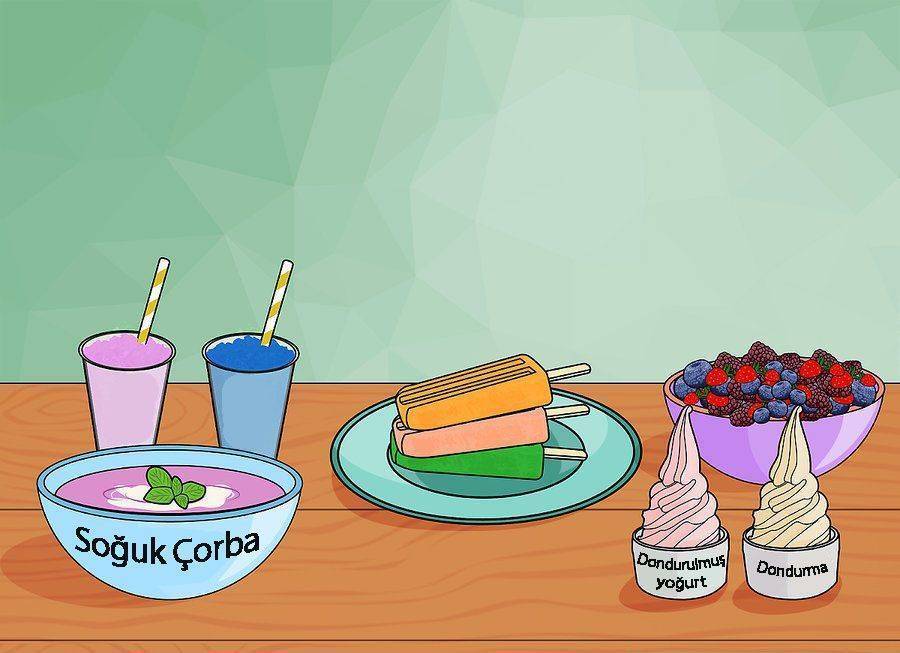
Choose Meals That Do Not Require an Oven or Stove
Choose foods eaten without cooking or heat treatment. If you must cook, keep the surroundings cool if possible; air conditioning will help. You can also choose simple microwave meals. Ready-made meals and canned foods may be preferred during this period.
- Cold soups are excellent in hot weather. Preparing cold cacık, yogurt soup with wheat or gazpacho (cold tomato soup), both healthy and helpful for regulating body temperature, is much easier than cooked soups.
- Homemade fruit ice cream, cold fruit saladand frozen homemade fruit yogurt can be chosen as refreshing snacks in this weather.
*
Method 2: Protect Yourself from the Sun

Do Not Go Out in the Sun During the Hottest Hours
For years, experts have repeated: avoid the sun when its rays are most direct. If possible, do not plan activities or participate in them in midday heat. The most hazardous hours in these months are between 10:00 in the morning and 16:00 in the afternoon.
- Make plans for early morning or after late afternoon.
- Some people tolerate heat less well and should stay in cooler places. Children, older people, overweight individuals, those with fair skin and those with other health problems should be especially careful.
*

Use Sun Protection
Although sunscreens do not keep you cool, they have a very important protective role, particularly minimizing skin damage, pain, water loss and sunburn.
- Choose at least factor 15 protection. If you plan to spend time outdoors, factor 30 is preferable.
- Reapply every 2 hours, more frequently if swimming or sweating heavily.
- Apply plenty of sunscreen all over your body before sun exposure.
- Related topic: Sunscreen Myths and Facts *

Stay in the Shade
Even outdoors, spend as much time as possible in shade. Tree shade, for example, is an excellent choice for staying cool.
- Shade feels cooler, and with a light breeze it can feel about 5 degrees cooler still.
*

Wet Your Body with Cold Water
When it is sunny and hot, a cold shower or jumping into a pool—getting wet—certainly helps. This is not always possible; washing hands and face with cold water and wetting the head and neck also helps.
- Fill a clean spray bottle with cold water and spray your face and body.
- While coping with heat, make children’s weekend activities cooler and more enjoyable with water pistols and cold water.
*
Method 3: Appropriate Clothing to Stay Cool

Wear Light Clothing
Light, somewhat loose clothing keeps you cooler. Wearing colors can reflect sunlight and be more effective. Shorts and short sleeves are good choices. Breathable clothing benefits the skin. Prefer cotton to synthetic fabrics.
*

Wear a Hat
Wide-brimmed hats shade the face and can prevent heatstroke. Choose light-colored hats if possible.
*
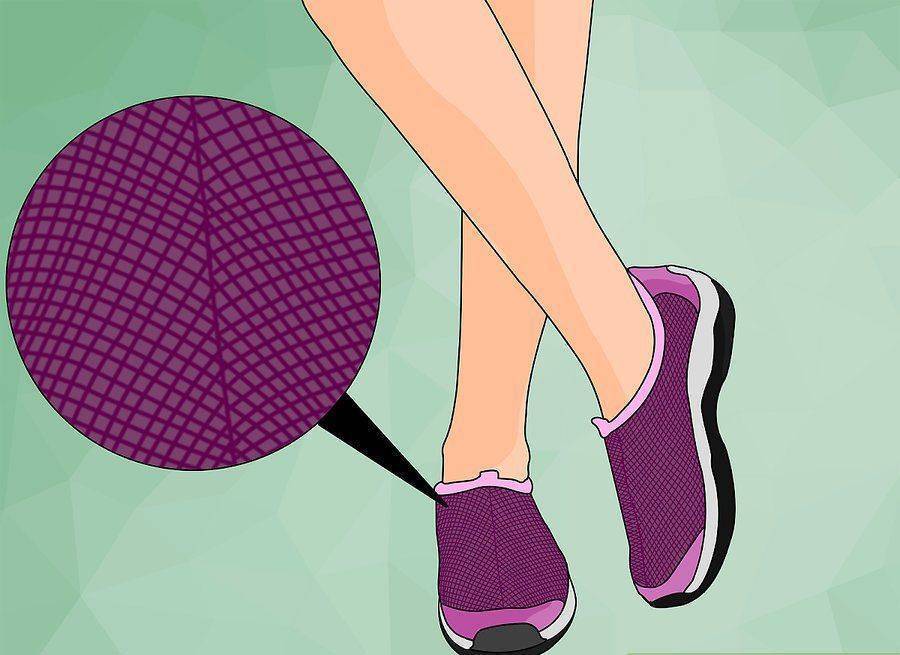
Wear Breathable Shoes
Depending on the activity, one shoe may be more comfortable and suitable than another. Choose shoes with firm, comfortable heel support, then prioritize breathability.
Cotton socks are good, but moisture-wicking socks are more beneficial. Avoid going outside barefoot.
Function matters more than style. Use fewer accessories in summer. Metal accessories may heat up and harm the skin.
*
Method 4: Keep Your Home Cool

Use Fans
Although fan effectiveness in extreme heat and humidity is debated, some research recommends their beneficial use between 36 °C with 80% humidity and 42 °C with approximately %50 humidity. Hand fans or electric fans continuously circulate air to keep it cool. At home or in the office, allow fans to work freely where you work, rest and spend the most time, relieving oppressive heat.
- Try making your own evaporative cooler. These can significantly lower temperatures, from simple systems (a dish of frozen water in front of a fan) to complex ones. A few PVC pipes, a bucket, an electric fan and a frozen gallon of water can produce a 4 °C breeze. Remember, however, that evaporative coolers do not help in humid heat.
- A fan should not be the main cooling source. It works effectively only when conditions are not excessively hot.
*

Use Air Conditioning
Even without a large air conditioner, installing a small window unit keeps the home cool throughout summer. Choose a room where you spend the most time, such as the living room, kitchen or bedroom. Setting it to the highest temperature at which you remain comfortable also avoids high electricity bills.
- If you lack suitable air conditioning at home, visiting public buildings may help. A library, for example, is an excellent place both to cool down and learn.
*

Keep Curtains and Shutters Closed
Sunlight turns into heat where it strikes. Blocking it from entering keeps your home cooler. Closing curtains, lowering shades and even fully closing windows prevents heating. Awnings also help by preventing direct sunlight.
*

Minimize Sunlight’s Effect on the Roof
Changing roof color can lower indoor temperature. Cool, light colors reflect incoming sunlight and prevent the home’s temperature from rising.
Ensure good building insulation. Better insulation prevents hot air entering and keeps cool air indoors. Ensure there is a small air gap between insulation materials.
*
- You may be interested in: A Skin Cancer Story: X-Men’s Wounds Do Not Heal Easily in Real Life
Sources
wikihow.com/Stay-Cool-in-Warm-Weather
2. Resimler: wikiHow to Stay Cool in Warm Weather adlı yazının resimlerinden uyarlanmıştır.
Was this article helpful?
Your feedback helps us improve our content.




Reader comments
Share your comment
Your name and comment are published only after administrator approval. Your email address is never shown to visitors.
Be the first to comment.