
What Is Chemotherapy? When and How Is It Given? What Are Its Side Effects?

In this article
Chemotherapy (sometimes called “chemo”) is one of the most common cancer treatments. It involves specific medicines used to kill cancer cells and prevent their growth and spread to other parts of the body.
Chemotherapy may be given alone, combined with radiotherapy, or before and after surgery.
The method of administration and medicines used vary according to cancer type, stage and the patient’s overall condition.
What Is Chemotherapy?
Chemotherapy is a type of systemic treatment that enters the bloodstream and can reach all parts of the body to combat cancer.
How Chemotherapy Works
A common feature of cancer cells is rapid growth and multiplication. Chemotherapy kills cells that are in the process of dividing to form two new cells.
Body tissues consist of billions of cells. Once a person has finished growing, most cells in the body stop dividing and multiplying. However, they divide when damaged cells need repair. When cells divide, two identical cells form. Where there was one cell, there are now two. When these divide, there are four cells, then eight, and so on.
In cancer, cells divide until they form a mass of cells, creating a lump called a tumor. Because cancer cells divide more frequently than most normal cells, chemotherapy is much more likely to kill cancer cells.
Some medicines kill dividing cells by damaging part of the control center that enables the cell to divide.
Effects on Dividing Cells
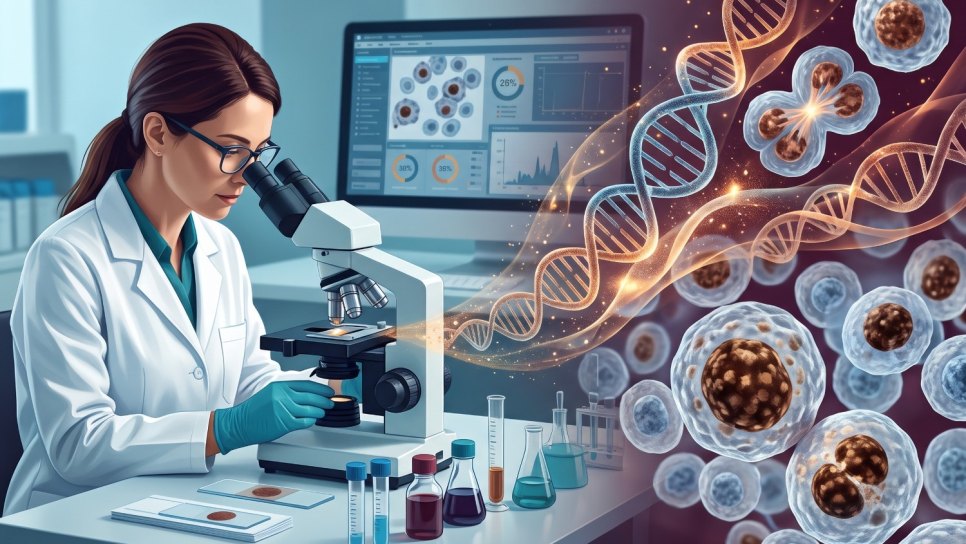
At the center of every living cell is a dark spot called the nucleus. The nucleus is the cell’s control center and contains chromosomes made up of genes. When each cell divides into two to form new cells, these genes must also be copied precisely. Chemotherapy damages these very genes inside the cell nucleus.

Some medicines damage cells at the point of division, while others damage them while they are making copies of all their genes before division. Chemotherapy is very unlikely to damage resting cells, as most healthy cells are.
Combination chemotherapy also works by damaging different stages of cell division. This means killing more cells. Chemotherapy’s direct killing effect on cells is called cytotoxicity in oncology, and medicines with a cell-killing effect are called cytotoxic drugs .
Chemotherapy also works in the following ways:
- By preventing tumors from forming their own blood vessels (anti-angiogenesis),
- By causing mutations (acting as a mutagen) in cancer cells (severely damaged cells either die or lose the ability to produce a daughter cancer cell).
When Is Chemotherapy Used?
Sometimes chemotherapy may be used alone to treat cancer. However, it is often part of combined treatment (with other treatments). Treatments given together with chemotherapy in combination therapy may include:
- Radiotherapy
- Surgery
- Hormone therapy
- Targeted cancer medicines
- Immunotherapy
- A combination of any of these treatments
Chemotherapy is also used for the following purposes:
- Even if a tumor is completely removed surgically, cancer cells may remain in your body. These cells may form new tumors or spread cancer to other parts of the body. Chemotherapy medicines help destroy, shrink or control these cells. This preventive use of chemotherapy after surgery is called adjuvant treatment .
- Sometimes, at diagnosis, a tumor is too large or extensive to remove surgically. We call such cancers locally advanced. In locally advanced cancers, chemotherapy given to shrink the tumor, facilitate surgery and minimize the long-term risk of recurrence is called neoadjuvant treatment .
- For stage 4, recurrent or metastatic cancer that has spread to other parts of the body, supportive palliative chemotherapy is given to shrink tumors and relieve symptoms (such as pain from bone metastasis), prolong survival and improve quality of life.
How Does My Doctor Decide Which Chemotherapy to Use?
The choice of chemotherapy varies:
- According to your cancer type (some chemotherapy medicines are used for many cancer types),
- According to whether you have received chemotherapy before,
- According to whether you have additional diseases such as diabetes or heart or kidney failure.
How Is Chemotherapy Given?
Chemotherapy can be given in many ways. The most common routes are:
- Intravenous (IV): This is the conventional route for chemotherapy. Chemotherapy is given directly into a vein. Veins in the forearm or back of the hand are often used, or a venous port (a plastic tube-like catheter placed in large veins and a reservoir placed under the skin).
- Intra-arterial (IA): Intra-arterial chemotherapy delivers chemotherapy medicine directly to the tumor through the arteries supplying it. In conventional chemotherapy, the medicine is given through an arm vein via a cannula or port, first reaching the lungs and heart and then distributing evenly throughout the body at gradually decreasing concentrations. This type of chemotherapy (intravenous) is preferred for advanced cancers that have spread to many organs. Sometimes, however, the tumor may be confined to a single region or organ. In such patients, administering intra-arterial chemotherapy through the vessels supplying the tumor allows all the chemotherapy medicine to be delivered directly into it. This provides a much higher chemotherapy concentration inside the tumor and reduces systemic side effects because less medicine is distributed throughout the body.
- Intraperitoneal (IP): The abdominal organs are covered like a glove by a membrane called the peritoneum. This membrane has two layers, one surrounding the abdominal organs and the other lining the front of the abdomen, with the peritoneal cavity between them. Certain cancers in particular (such as ovarian cancer) tend to spread over this membrane. A method of administering chemotherapy medicines between the peritoneal layers was therefore developed.
- Orally (by mouth) in pill form: These chemotherapy medicines come as pills, capsules or liquids. Most new-generation targeted smart medicines are taken orally in this way.
Are There Different Types of Chemotherapy Medicines?
There are dozens of chemotherapy medicines used in cancer treatment. Each drug group affects cancer cells differently.
- Some medicines prevent cancer cells from multiplying by damaging their DNA. These are called alkylating agents and are the oldest type of chemotherapy. They are widely used to treat many different cancers, including leukemia, lymphoma, multiple myeloma and sarcoma, as well as breast, lung, ovarian and testicular cancer. Cyclophosphamide, melphalan and temozolomide are examples of alkylating agents. These medicines carry a small risk of causing secondary cancers; to reduce this risk, they may be given at the lowest effective doses possible. Platinum alkylating agents such as carboplatin, cisplatin or oxaliplatin have a much lower risk of causing secondary cancers.
- Some chemotherapy medicines stop growth by interfering with normal cell metabolism. These medicines are called antimetabolites . We frequently use them alone or combined with other chemotherapy medicines to treat breast, ovarian and bowel cancer, leukemia and other cancers. They include 5-fluorouracil (5-FU), 6-mercaptopurine, cytarabine, gemcitabine and methotrexate.
- Anthracycline chemotherapy medicines work by preventing enzymes inside cancer cells from copying DNA. They are used in many cancer types. The best known are adriamycin and epirubicin.
- Mitotic inhibitors are medicines that prevent cancer cells from multiplying by blocking mitosis. These medicines are also called microtubule inhibitors . Taxanes are the best-known members of this group. Antimitotic medicines such as paclitaxel and docetaxel prevent the functioning of microtubules, which form the cell’s skeleton, and disrupt their flexibility.
- Topoisomerase inhibitors are another type of chemotherapy that attacks enzymes helping cancer cells divide and grow. Etoposide, irinotecan and topotecan are examples of this group.
- Steroidsare medicines that act like your body’s own hormones. They are useful in treating many cancer types and may help us experience nausea and vomiting after chemotherapy. They can also prevent allergic reactions to some medicines. Steroids we prescribe include prednisone, methylprednisolone and dexamethasone (kordexa).
Are Other Medicines Used in Cancer Treatment?
Chemotherapy is a commonly used cancer treatment. Today, approaches such as targeted smart medicines, hormone therapy (for example, for breast and prostate cancer) and immunotherapy are also commonly used. Unlike chemotherapy, these medicines can better attack cancer cells while avoiding damage to healthy cells. Side effects may therefore be milder. These medicines can be used alone or combined with chemotherapy.
How Long Does Chemotherapy Last?
Chemotherapy generally lasts about 3 – 6 months. This period may be shorter or longer depending on the chemotherapy type and the patient’s condition. It may also be divided into cycles lasting 2 – 6 weeks. These cycles repeat as “treatment-rest-treatment” to allow the body to rest during treatment. Each cycle may consist of several sessions, which can last from a few minutes to several hours depending on the chemotherapy type.
How Do We Know Whether Treatment Is Working?
Your body’s response is assessed during and after treatment. Radiological imaging methods used in oncology are performed at intervals to determine whether your tumor is shrinking or continuing to grow. Your general condition, side effects and ability to tolerate treatment are also monitored. If treatment appears not to be working, a different dose or other treatments are recommended.
- Related topic: Stories of Hope
What Happens After Chemotherapy? What Are Its Side Effects?
After cancer treatment, patients feel both relieved and anxious. They worry about cancer recurrence and about failing to notice any early signs. This is normal. The first step in coping is recognizing one’s concerns and fears. They can then seek help from relatives, loved ones, support groups or specialists to overcome them.
They may also experience long-term treatment-related side effects after treatment. Examples include difficulty sleeping, fatigue, memory problems, persistent pain or tingling caused by neuropathy, and emotional distress. It is important to be aware of these long-term side effects, particularly in relation to the possibility of cancer recurrence.
- Related Topic: 11 Long-Term Side Effects of Chemotherapy
*
Note: The image in our article belongs to our Chemotherapy and Art Center. Art activities during cancerhelp make both the treatment period and the time afterward much more positive and also add color to lives.
Sources
2. How chemotherapy Works? Cancer Research UK: https://www.cancerresearchuk.org/about-cancer/cancer-in-general/treatment/chemotherapy/how-chemotherapy-works
3. Soliman M. and Nunez K. (13.04.2021). How Long Does Chemotherapy Take. Healthline: https://www.healthline.com/health/cancer/how-long-is-chemotherapy#takeaway
4. What Comes After Finishing Treatment: An Expert Q&A. (2020) Caner.net: https://www.cancer.net/survivorship/life-after-cancer/what-comes-after-finishing-treatment-expert-qa
Was this article helpful?
Your feedback helps us improve our content.
Reader comments
Share your comment
Your name and comment are published only after administrator approval. Your email address is never shown to visitors.
Be the first to comment.