
What Is Leukoplakia? Causes, Symptoms, and Treatment

In this article
What Is Leukoplakia?
Leukoplakia causes white patches or plaques on the tongue, palate, or inner cheeks.
Irritating substances and activities such as smoking generally cause leukoplakia. Doctors can usually distinguish it from similar benign plaques and patches through examination.
Leukoplakia is considered precancerous, and we may recommend biopsy to rule out cancer. Approximately 5% of oral leukoplakias have been observed to become head and neck cancer (note: rates differ for 5- and 10-year follow-up, with reported figures ranging from 2.5% to 10%).
The World Health Organization (WHO) defines leukoplakia as "a predominantly white patch or plaque that cannot be characterized clinically or pathologically as any other disorder."
This article explains the symptoms, when to see a doctor, and risk factors and causes. It also discusses diagnosis and treatment.
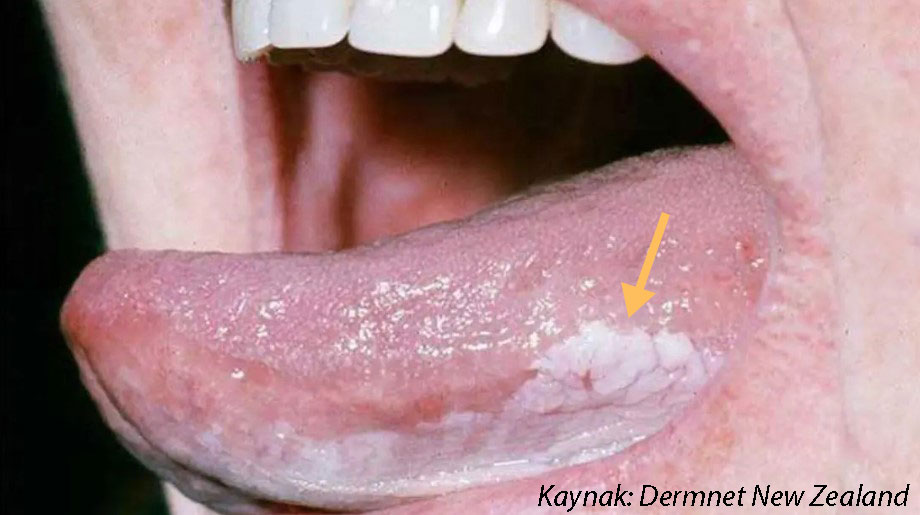
Below are photographs of leukoplakia on the palate and side of the tongue , respectively.

What Are the Symptoms of Leukoplakia?
Leukoplakia causes white plaques and patches in the oral mucosa, the moist inner lining of the mouth. These sometimes contain speckles of reddish discoloration.
The patches and plaques are generally painless. However, people with an underlying condition, including cancer, may experience some pain.
Leukoplakia typically develops on:
- the inner cheeks
- the gums
- the floor of the mouth beneath the tongue
- the top or sides of the tongue
In some cases, patches may also affect other parts of the body, including the genitals .
When Should You Be Concerned and See a Doctor?
Most white spots in the mouth are not concerning. However, anyone developing white oral plaques should see a doctor for a full assessment. They can sometimes signal a more serious condition, such as cancer, requiring medical treatment.
Although leukoplakia is not cancer, specialists generally consider it precancerous. Oral cancers sometimes develop within persistent, painful, or severe leukoplakia patches or plaques.
According to the World Health Organization, approximately 657,000 people worldwide are diagnosed with oral cancer each year.
People should see a doctor to check for oral cancer if they notice the following signs :
- raised white spots with red speckles
- white lumps with dark or red patches
- patches with an irregular texture
- pain or soreness when eating, swallowing, or moving the jaw
- mouth sores lasting longer than 2 weeks without healing
- changes in surrounding oral tissues
- ear pain
What Causes Leukoplakia?
Research into the causes continues.
For most people with leukoplakia, chronic irritation , such as that caused by tobacco, appears important. Chronic irritation of oral tissue seems to thicken the skin layer in certain areas. This thickening may represent hyperkeratosis (increased thickness of the skin's outer layer), as well as atypical skin cells.
Are There Other Causes of White Patches in the Mouth?
Many other conditions cause harmless white oral patches. One is linea alba, which develops through friction or pressure from teeth against the skin inside the mouth.
Another cause of benign white plaques is white sponge nevi, usually present from an early age.
There is no single definitive cause of leukoplakia. Tobacco use in any form is the most common contributing factor. Smokers are six times more likely to develop leukoplakia.
Any injury or chronic irritation of oral tissues can generally increase the risk.
Other factors potentially involved in development and progression include:
- Human papillomavirus (HPV) may increase the risk of both leukoplakia and its progression to oral cancer
- poor oral hygiene
- repeated cheek or tongue biting
- excessive alcohol use
- chewing certain nuts and leaves, such as betel leaf, Maraş otu, and areca nut
Another type, hairy leukoplakia, is common in people with weakened immunity. People with HIV and Epstein-Barr virus (EBV) may develop it.
It causes fuzzy-looking leukoplakia patches. Hairy leukoplakia lesions are painless and do not increase oral cancer risk.
How Is Leukoplakia Diagnosed and Treated?
Doctors usually diagnose leukoplakia by ruling out all other possible causes, generally through physical examination and medical history review. The doctor diagnosing and treating it is usually an ear, nose, and throat (ENT) specialist.
If leukoplakia is suspected, the doctor will probably request a biopsy to rule out cancer.
Biopsy types used in diagnosis include:
- Oral brush biopsy: A doctor uses a small rotating brush to collect cells from oral patches and sends them for examination.
- Excisional biopsy: A surgeon removes leukoplakia patches for examination. This is almost always performed by an ENT specialist.
Stopping tobacco use is extremely important after diagnosis. Good oral hygiene also matters.
If leukoplakia does not resolve spontaneously over time, surgery may be needed to remove it.
Doctors recommend frequent follow-up every few months. If leukoplakia has resolved, annual review may suffice.
When leukoplakia develops because of an immune-weakening condition such as HIV, drugs specific to the underlying disease may be prescribed.
If a biopsy detects precancerous or cancerous cells, treatment depends on the cell type present.
Can Leukoplakia Be Prevented?
Good oral hygiene and stopping activities that damage or stress the inside of the mouth are the simplest ways to treat and prevent it.
Recommended ways to prevent leukoplakia and possible adverse outcomes include:
- avoiding all tobacco products, including hookahs and electronic cigarettes
- avoiding inhaled or smoked products, including cannabis, cloves, and resin
- reducing or stopping alcohol consumption
- keeping medical appointments
- attending routine dental examinations and maintaining dental hygiene
- avoiding abrasive dental hygiene products such as whiteners and rinses
- addressing dental problems that irritate the mouth, such as broken teeth
- ensuring dentures and braces fit well without rough or exposed edges
- keeping mouth sores clean
- allowing hot drinks and foods to cool before consuming them
- avoiding sweets or chewing products with rough edges or that irritate the mouth
- following a healthy, balanced diet to prevent nutritional imbalances or deficiencies
- practicing safer sex and avoiding oral sex to reduce HPV transmission risk
Related topic: 4 Tips for Quitting Smoking – Current Approaches
Summary
Most white spots in the mouth are not concerning.
However, if they do not resolve or become painful and persistent, they may be due to leukoplakia. Only a doctor can diagnose it. Leukoplakia can increase oral cancer risk.
Smoking and HPV infection are major risk factors. People with reduced immunity can also develop leukoplakia.
Stopping smoking and maintaining good oral hygiene are effective ways to reduce risk.
Sources
Was this article helpful?
Your feedback helps us improve our content.




Reader comments
Share your comment
Your name and comment are published only after administrator approval. Your email address is never shown to visitors.
Be the first to comment.