
Cancer’s Greatest Risk Factor: Age! Turkish Scientist Besim Öğretmen Finds a New Link Between Cancer and Aging

In this article
Cancers are a highly complex group of diseases with many causes. Cancer has no single cause, but its causes can broadly be divided into two groups:
- Environmental factors: modifiable, preventable
- Unmodifiable factors: mostly mutations accumulating with aging, with some hereditary-familial factors.
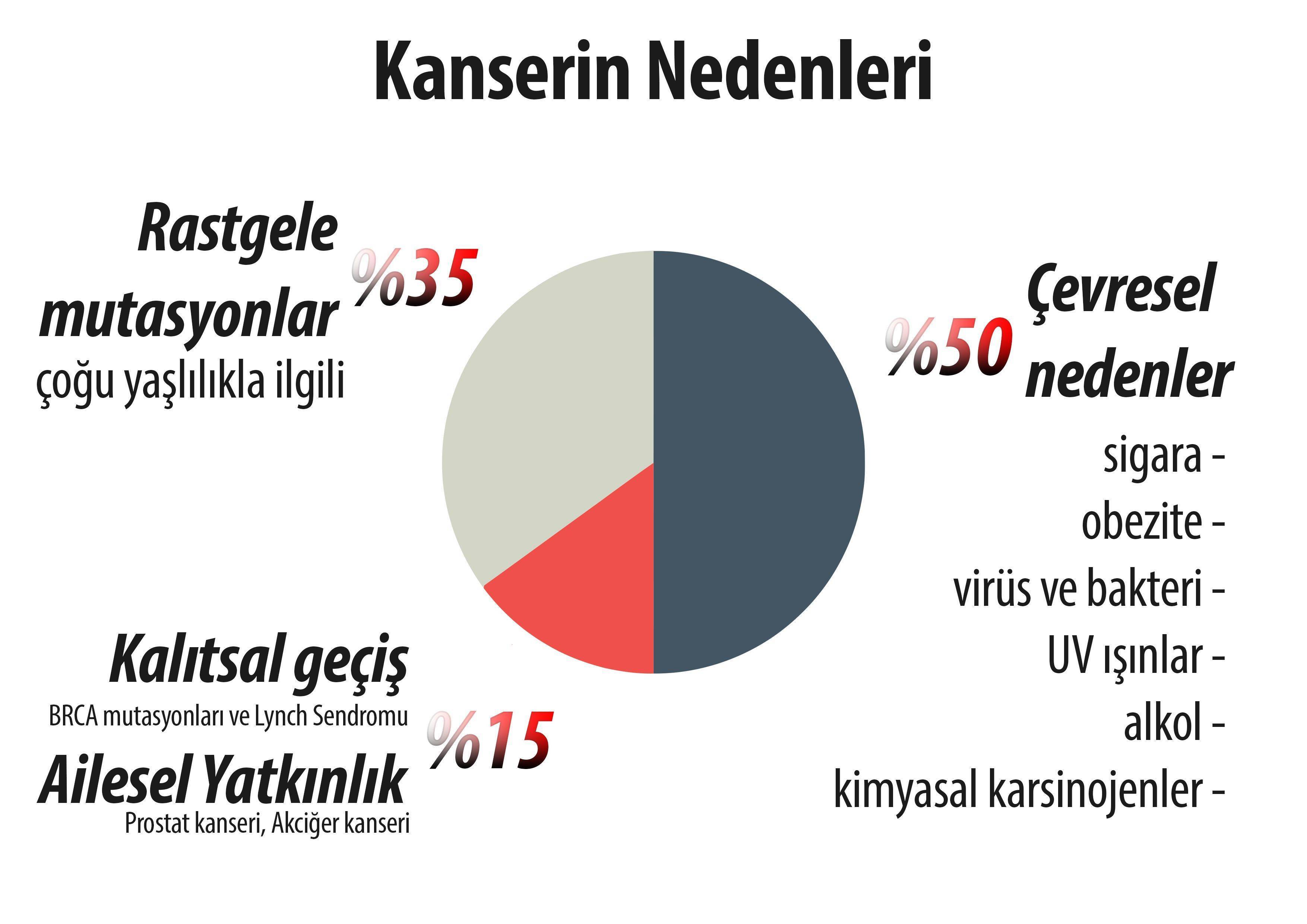
However, the greatest risk factor for cancer is almost never discussed: Age! As you age, your likelihood of developing cancer is significantly higher, and this applies to most cancer types.

In England, for example, half of all cancer cases occur in people aged 70 or older. Increasing average life expectancy and an aging population are seen as the main reason why, among every 3 people, 1 is diagnosed with cancer during their lifetime. However, the doubling of cancer survival over the past 40 years is a positive development.
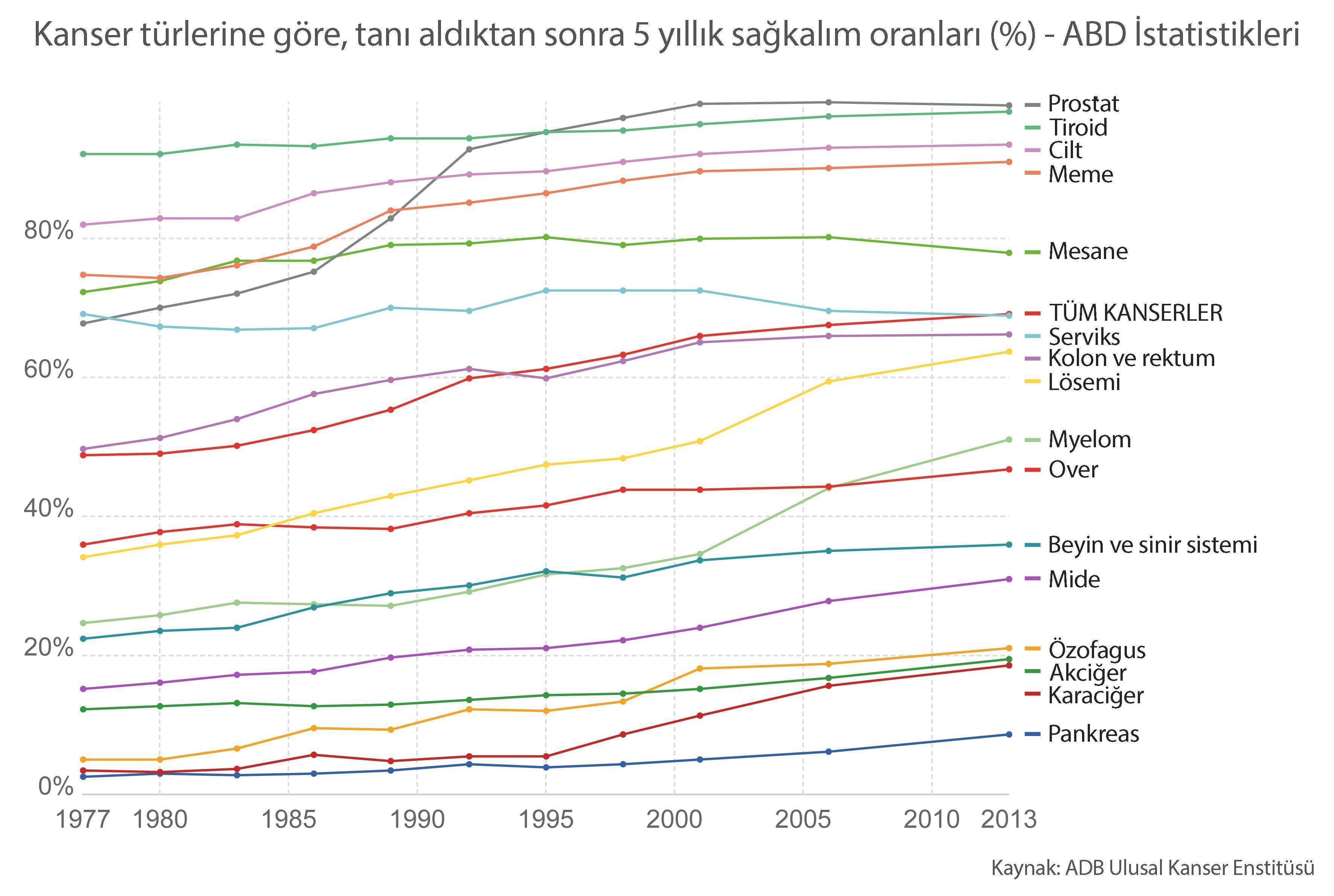
Let us look at the age–cancer relationship from a broader perspective
The connection between cancer and age surprises many people. A study funded by England in 2014 found that most people (% 64) thought cancer was unrelated to age. Awareness of the connection between cancer risk and age is reported to be particularly low in England compared with other countries.
One reason is that stories of relatively young cancer patients appear in the media more often than older patients’ stories. Although much less common, a young cancer patient’s story is considered more newsworthy.
Among 100 new cancer cases, only 1 is diagnosed under age 24. Young cases are of course medically important and every patient is unique, but their visibility and prominence in the media make them seem more common than they really are.
Why does age increase cancer risk?
Our cells become more susceptible to cancer as they age, but why?
Our cells are governed by a molecule carrying instructions, ensuring proper cell function and containing a unique code: DNA . Cells replicate themselves and their DNA to keep the body healthy (DNA synthesis).
As we know, the basic cause of cancer is uncontrolled cell proliferation due to accumulated DNA damage. In daily life we are exposed to many carcinogens . Our body’s DNA repair systemeffectively repairs DNA damage. In addition, our immune system cells eliminate cells proliferating uncontrollably.
With advancing age and increasing carcinogen exposure, DNA damage cannot be repaired effectively and the immune system weakens. Abnormal cell proliferation essentially occurs as a result of these processes.
Although cancer is a disease of old age, it also occurs in younger people. This involves hereditary factors, intense carcinogen exposure and lifestyle.
Mutations may occur by chance, but factors such as sunbathing, smoking or UV radiation increase their likelihood. It is therefore important to be aware of preventable factors.
- Related topic: 10 golden rules of cancer prevention
What should the connection between cancer and aging mean for us?
Unfortunately, we cannot prevent aging. But knowing how it increases cancer risk is an important starting point for research and awareness. For example, it is important to know that smoking, excessive alcohol use and advancing age involve similar mechanisms increasing cancer risk. Cancer-causing mutations may also occur in molecules safeguarding DNA repair mechanisms, increasing the rate of damage.
Good examples of cancers whose risk increases with age are colorectal, breast, prostate, lung and cervical cancers. For these reasons, most cancer screening for early diagnosisbegins in the 40-50 age range.
Aging does not happen all at once, and not everyone develops cancer. But being aware of our bodies, noticing abnormal persistent changes and addressing risk factors we can reduce may become even more important as we age.
Most physical changes we experience are not cancer, but having them checked and diagnosed early means treatment is more likely to succeed. Always consult your doctor about a physical change you notice is abnormal and does not go away.
Cancer awareness is important at every age. Everyone should examine changes in their own body and, even without changes, undergo checks such as colonoscopy, mammography, smear tests.
A NEW connection between cancer and aging has been found
On 10 May 2018, Journal of Biological Chemistry published research showing that human lung cancer cells can resist death by controlling cellular elements involved in normal aging.
This research was conducted by a team led by the head of lipid (fat) metabolism and cancer relationships (lipidomics), as well as drug discovery, at Hollings Cancer Center in South Carolina, United States, Turkish scientist Besim Öğretmen.
Besim Öğretmen and his team examined differences from normal cells to understand how cancer cells spread in the body. Their work is part of an 8.9-million-dollar project investigating how changes in lipid (fat) metabolism affect cancer treatment.
As normal cells age, chromosome ends called telomeres shorten, and when their length reaches a critical level, a signal for cell death is initiated. This appears to be part of normal cellular aging. Cancer cells, however, have developed a way to prevent telomere breakdown, helping them live longer than normal cells. Their longevity is also part of the mechanism allowing metastasis .
In their new study, Besim Öğretmen’s group discovered a specific way cancer cells avoid death in response to telomere damage. Scientists know that levels of a protein called p16 are low in various cancer cells. p16 is a molecule deciding whether an aging or chemotherapy-damaged cell dies or survives. This process also involves telomerase , an enzyme extending shortened telomeres.
“Telomeres are like a biological clock for our cells, and in cancer, this biological clock is broken,” says Öğretmen.
The researchers found that p16 is the most important molecule for cells when telomeres begin to break down. When telomeres begin shortening, p16 acts to prevent cell death and pushes cells further into aging.
To determine the clinical impact, researchers used an inhibitor of the telomere-protecting sphingosine kinase 2 enzyme in various cancer cells, including lung cancer cells. With this inhibitor, code-named ABC294640, they damaged cancer cell telomeres and forced the cells to die.
As a result of this enzyme inhibition, when p16 levels were low or absent, cancer cells with damaged telomeres died. However, cancer cells with high p16 levels escaped death and were biologically inactive as a sign of aging (dormant cancer cells).
Öğretmen said, “We are excited to have found at least one mechanism that could help us understand how aging increases cancer risk,” then continued, “We hope to prevent or better treat age-related cancers by controlling the protective effects of p16 against cancer cell death,” he continued.
Öğretmen’s team is excited that the inhibitor used in their study may be effective at many stages of cancer treatment. The team has already determined the safest dose for patients and is planning a phase 2 clinical trial using this inhibitor in hepatocellular carcinoma, a type of liver cancer. This multicenter trial will include centers such as Hollings Cancer Center, the University of Maryland and Mayo Clinic...
It is important to note that, among every 10 cancer cases, at least 4 are associated with personal choices such as not smoking, maintaining a healthy weight and drinking less alcohol.
So do not worry about what you cannot change, because it is not too late to change what you can.
Sources
Hollings Cancer Center researchers explore how telomeres are like a biological clock for cells.
eurekalert.org - 26 Jun 2018
Was this article helpful?
Your feedback helps us improve our content.




Reader comments
Share your comment
Your name and comment are published only after administrator approval. Your email address is never shown to visitors.
Be the first to comment.