
Food Additives, Food Processing, Irradiated Foods and Organic Farming

In this article
Among the topics many of us are most curious about are food additives, whether they create cancer risks, and organic farming.
Food Additives
Many substances are added to foods to extend shelf and storage life and improve color, flavor and consistency. The possible role of food additives in cancer risk is among the topics attracting greatest public interest.
For foods meeting certain standards, additives undergo extensive laboratory and animal testing before use to determine whether they pose a cancer risk. Additives are generally present in very small quantities, and some are nutrients with beneficial effects (for example, vitamins C and E are sometimes added as preservatives).
Compounds not intended for direct human consumption are also used in agriculture, livestock farming and food processing. Examples include growth hormones or antibiotics used in animal husbandry, pesticides and herbicides present in very small amounts in plant foods, and compounds such as bisphenol A (BPA) or phthalates that may enter food from packaging. Although some are not known to cause cancer directly, they may affect cancer risk in other ways, for example by acting like hormones in the body.
Unwanted food contamination may also result in exposure to concerning chemicals and may be associated with cancer risk. Examples include heavy metals such as cadmium or mercury, or arsenic . These metals can enter the food chain through fish or occur naturally in some soils or waters.
For many other compounds whose effects on cancer risk are unclear, limiting exposure appears to be the most appropriate approach.
Food Processing
Food processing may change foods in ways that affect cancer risk. One example is grain refining, which greatly reduces fiber and other compounds that may lower cancer risk.
Meat processing involves adding preservatives such as salt or sodium nitrite to prevent microbial growth, or other interventions to preserve or improve color and flavor; compounds may be added that increase foods’ potential to cause cancer. Research has associated heavy processed-meat consumption with colorectal cancer risk in its findings.
Some processing methods (such as freezing or canning fruits and vegetables) may preserve vitamins and other components that could reduce cancer risk. Cooking or heat-processing vegetables, such as canning, can break down plant cell walls and facilitate digestion of beneficial compounds. However, some methods may also reduce heat-sensitive vitamins, such as vitamin C and certain B vitamins.
Carcinogenic substances released by high-temperature food processing are one reason the food industry is beginning to abandon this method. Recently, palm oil brought this issue to public attention. Not only ready-made products but also meat exposed to high barbecue temperatures releases carcinogens known as HCA and PAH. However, appropriate cooking techniques can reduce this exposure.
Irradiated Foods
Irradiating food products is a way to limit microbial contamination and food poisoning risk. In the United States, some foods such as spices are routinely irradiated. Irradiated meats and other foods are also widely available. Because radiation is known to cause cancer, there is concern that food irradiation might pose cancer risks. However, radiation does not remain in irradiated foods.
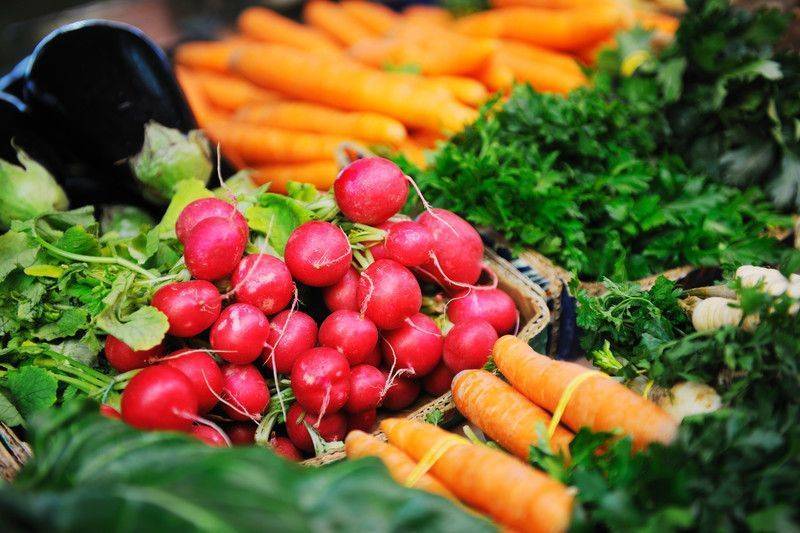
What Are Organic Farming and Food?
Concern about possible health effects of food additives, including cancer, is one reason many people are interested in organic foods today.
Organic foods are foods grown, produced or stored without additional chemicals and are safer and more nutritious for consumers.
Organic food is produced without artificial fertilizers, insecticides, weed killers and similar pesticides, growth hormones, antibiotics, chemical packaging materials, additives or processing methods that may harm people or the environment, at every stage from seed through cultivation and processing to the end user.
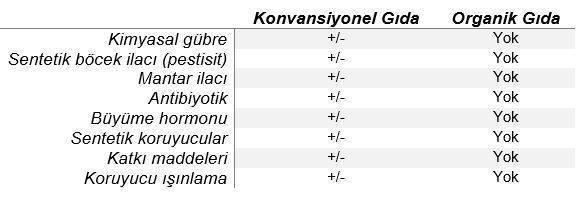
Organic products cannot be processed in the same place as conventional products (meaning traditional or modern agricultural products). Equipment used in organic production is used only to produce organic foods.
Can No Additives Be Used in Organic Production?
No, additives can be used, but only organically produced additives permitted under the Organic Food Communiqué. Organic agriculture is expanding rapidly worldwide. It can generally be said to have emerged through producing “traditional products” in different countries. Early organic products included dates and olive oil in Tunisia, tea in India, meat and meat products in Argentina, milk and dairy products in Denmark, and dried fruits and nuts in Türkiye.
Confusing Aspects of the Word Organic
Organic food debates have many interesting aspects. The first that comes to mind is the meaning of the word organic. Scientifically, organic refers to all substances containing carbon atoms. The list of these substances, also called organic compounds, which may be natural or synthetic, is very long (natural examples: carbohydrates, proteins, fats, vitamins; synthetic examples: plastics, Teflon). Therefore, whether grown in the most natural way or using synthetic additives and chemicals, all foods are chemically organic.
In agriculture, the word organic is more closely related to fertilizers and insecticides, which must be of animal or plant origin. It is called organic farming because of the naturalness of the products used.
Returning to Natural Living
The proportion of products sold as organic in shops or markets increases every day. However, organic farming represents a very small share of total agricultural land in our country (%2.16). This raises the question of how organic the products sold under that label really are. We believe monitoring of products marketed with this claim should increase and buyers should investigate the origins of products sold as organic.
Among the 172 countries practicing organic agriculture worldwide, our country ranks 15th by production area. Among the 10 countries with the greatest growth in organic farmland, Türkiye ranks 4th. This shows that awareness of and demand for organic agriculture are increasing very rapidly in our country.
This shift toward organic agriculture is actually one expression of the longing and effort to return to natural living.
Some studies compared the nutritional content of organic foods with conventionally grown fruits or vegetables. Some suggest higher nutrient content in organic foods, while others show no difference. Whether reported nutritional differences can produce health benefits such as reduced cancer risk is currently unknown.
Vegetables, fruits and whole grains, whether grown conventionally or organically, should form the foundation of a person’s diet.
Sources
The American Cancer Society - cancer.org
Was this article helpful?
Your feedback helps us improve our content.




Reader comments
Share your comment
Your name and comment are published only after administrator approval. Your email address is never shown to visitors.
Be the first to comment.