
How Should I Eat? 6 Important Tips

In this article
Appropriate nutrition is essential for a long, healthy life. However, diets lacking certain health principles may achieve short-term goals while causing many long-term health problems. It is also important that the diet you follow to lose weight or maintain your ideal weight can be sustained throughout life.
In this article, you will find 6 important, evidence-based nutritional tips that incorporate healthy eating principles and are easy to follow.
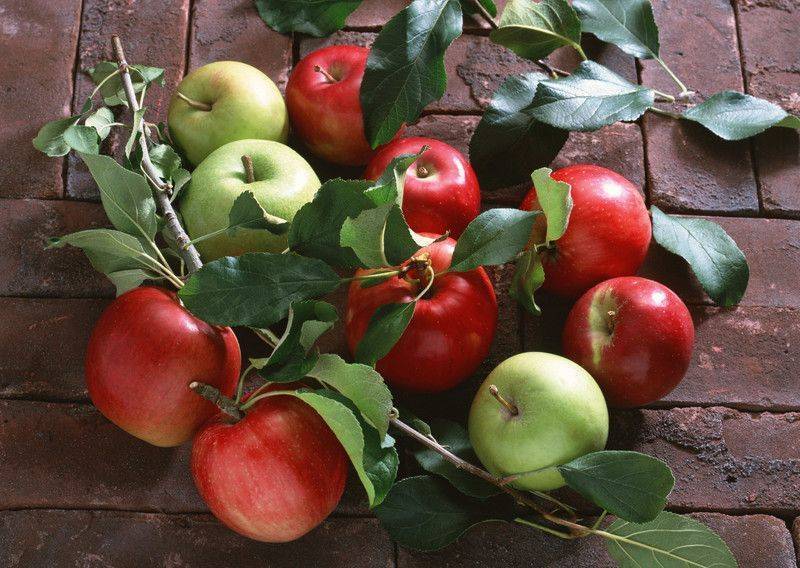
1. Among Foods of Many Different Colors and Textures, Consume Those with the Most Natural Appearance
Today, the food industry processes foods with many additives, particularly sugar and similar substances, enriches their appearance with appetizing colors and aims to increase food consumption. We should ensure that the foods and drinks we consume have tastes and colors as close as possible to their original, natural state.
At a time when we view sugar addiction almost as a “new tobacco,” recent research shows that artificial sweeteners and diet drinks may not be protective and may even cause harm.
%7.4 of all cardiometabolic deaths are linked to sugary or sweetened drinks; %8.2 are linked to processed meat and meat products

2. Do Not Consume Processed Foods, or Avoid Them as Much as Possible
Processed foods and drinks such as packaged snacks, smoked meats, salami, sucuk sausages, and foods and drinks flavored with salt or sugar should be avoided.
High salt consumption has also been shown to increase cardiometabolic mortality risk by %9.5
High salt consumption refers to a dietary pattern consisting mainly of ready-made foods; the sodium naturally present in foods is considered rarely excessive. We should therefore avoid packaged foods as much as possible and take care to eat homemade foods instead.
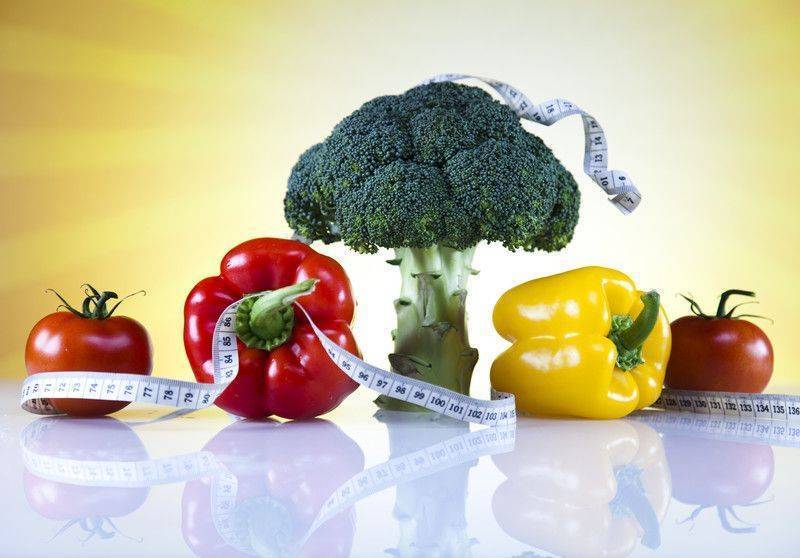
3. Choose a Realistic, Balanced Diet to Lose Weight and Keep It Off
Which diet is most successful? In our view, the simplest answer is one you can follow easily. When people dieting for weight loss fail, they often choose a more restrictive, unbalanced diet next time or switch to yo-yo diets that cause rapid weight loss (followed by rapid regain). The diet you follow should therefore be encouraged to have certain core characteristics.
Recommendations:
- Reduce sugar consumption (including drinks with added sugar and sweeteners)
- Increase vegetable and fruit intake
- Consume fiber-rich foods
- Increase water intake
- Consume pulses (chickpeas, lentils, beans, etc..)
- Obtain adequate protein
- Consume adequate healthy fats (olive oil, unsaturated fat, etc.)
The recommendations listed above are consistent with the dietary principles of the Mediterranean Diet , which we at OncoTrust also recommend
It used to be said that going hungry for long periods was unacceptable and that additional meals between main meals were essential. Today, however, there is substantial evidence that intermittent fasting -like periods without food are safe and may even help with weight loss and protection against cardiovascular disease.

4. Consume Healthy Fats for Cardiovascular Health (Such as Fish, Olives, Avocado)
Healthy fats include fish oils and olive oil , as well as avocado oil, canola oil, walnut oil, flaxseed oil and chia seed oil. If animal fat is preferred, limited amounts of butter or goose fat may be chosen.
%7.8 of diet-related cardiometabolic deaths were attributable to low consumption of foods containing omega-3 fatty acids
The terms good fat and bad fat remain debated today. However, fish oil and olive oil are outside these debates, with known benefits particularly for heart health. The American Heart Association (AHA ) encourages everyone to eat fish rich in omega-3 fatty acids. Salmon, mackerel and some other fish are rich in omega-3 fatty acids.
Vegetarian and vegan people, and others with low intake, may be advised to take fish oil or omega-3 polyunsaturated fat supplements, but unless there is a specific reason, eating the fish itself is always the best option.

5. Reduce Red Meat Consumption
Red meat is a major source of protein and fat. However, a study in 2012 on red meat consumption and mortality involving approximately 120 thousand people over 28 years showed that red meat consumption increases cardiovascular disease, cancer and diabetes risk, thereby shortening lifespan.
Researchers found that replacing one daily portion of red meat with one portion of fish, poultry, pulses, nuts, whole grains or low-fat milk was associated with a % 7 -19 reduction in mortality risk. Moreover, even reducing the daily meat portion by half (<42 gr) could have prevented % 9.3 of deaths in men and % 7.6 in women.
You May Be Interested In:

6. Choose Fermented Foods/Probiotics Containing Beneficial Bacteria and Fiber-Rich Foods for Our Gastrointestinal System and General Health
Fermented foods / probiotics contain nonpathogenic yeast and, lowering intestinal pH, reducing invasion by pathogenic organisms in the intestine and interacting closely with our immune system, beneficial bacteria are foods with these organisms. The best-known fermented foods and drinks include yogurt, kefir, pickled cabbage and cucumbers, vinegar, sourdough foods, boza and tarhana.
However, when consuming these foods, remember that their high salt and nitrate content may raise blood pressure, cause problems such as ulcers and harm health. Of fermented foods, OncoTrust supports only yogurt for probiotic purposes.
In addition, even if only in a sentence, alcohol should be mentioned because it can cause cancer and many other diseases. Although not consuming alcohol at all is best for health, at least limiting it is recommended (limiting the weekly amount to one glass for women and two for men).
Sources
2- Association Between Dietary Factors and Mortality From Heart Disease, Stroke, and Type 2 Diabetes in the United States; JAMA. 2017;317(9):912-924. doi:10.1001/jama.2017.0947
Was this article helpful?
Your feedback helps us improve our content.




Reader comments
Share your comment
Your name and comment are published only after administrator approval. Your email address is never shown to visitors.
Be the first to comment.