
The Link Between Heavy Alcohol Consumption and Early-Onset Colorectal Cancer

In this article
In today's world, the health effects of alcohol consumption are indisputable, underscoring the need for and importance of this study. Scientific research has linked alcohol use to several cancers, but few studies have examined its relationship with early-onset colorectal cancer (cancer of the large intestine, including the colon and rectum) . This study may therefore provide valuable guidance for understanding and preventing early-onset colorectal cancer.
Why Early-Onset Colorectal Cancer Matters
Early-onset colorectal cancer (EOCRC) generally refers to colorectal cancer occurring before age 50. Colorectal cancer develops in the colon and rectum, the part of the bowel above the anus. It is the third most common cancer worldwide and the fourth leading cause of cancer death.
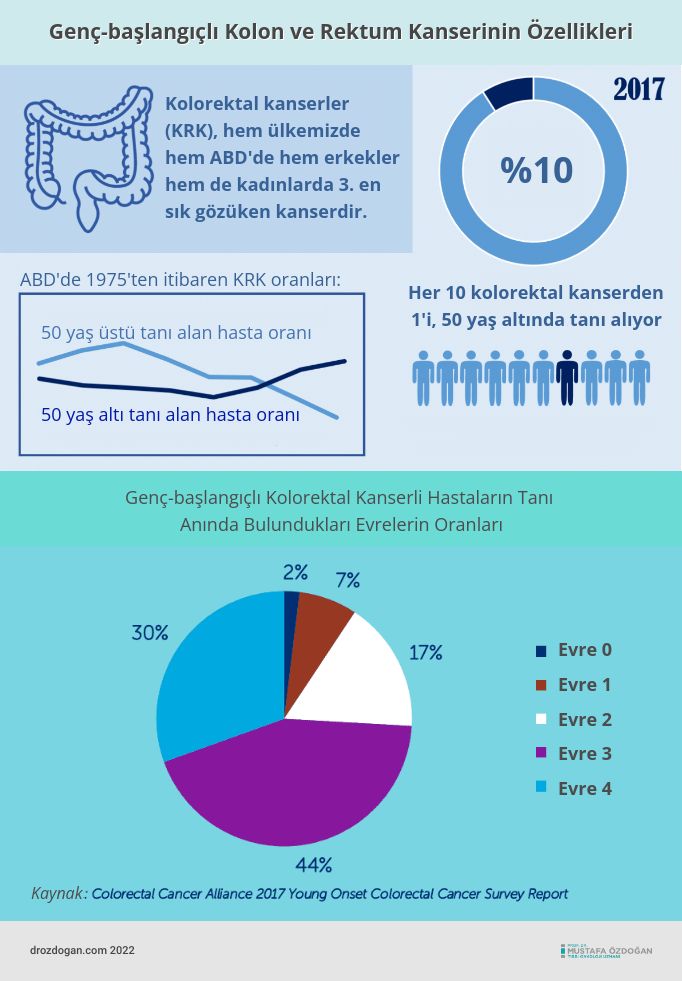
In recent years, colorectal cancer cases have increased markedly among people younger than 50, making early-onset disease an increasingly important concern. Genetic factors, a Western-style diet and a sedentary lifestyle are among the factors thought to contribute to the rising incidence.
The illustration below shows various factors that affect colorectal cancer risk. Obesity, a Western-style diet, sedentary behavior, extensive antibiotic use and alcohol consumption can potentially increase risk. The earlier in life these exposures occur, the greater the risk of early-onset colorectal cancer. Addressing these factors early in life may therefore be important in reducing that risk.

Early-onset colorectal cancer often follows a more aggressive course and tends to be diagnosed at a later stage. This is commonly attributed to younger patients not yet having reached the age for routine colorectal cancer screening. Early diagnosis and treatment of EOCRC are therefore critical to improving survival.
Related topic: Early-Onset Cancer: A Global Epidemic?
A Korean Study
A South Korean population-based observational study published on June 14, 2023 in Journal of Clinical Oncology found that heavy alcohol consumption increases early-onset colorectal cancer (EOCRC) risk, particularly cancers of the distal colon and rectum.
Study Details
Using Korean National Health Insurance Service data, researchers studied adults younger than 50, approximately 5.7 million in total, retrospectively comparing their average daily alcohol intake with their risk of early-onset CRC.
Alcohol consumption was defined as none, light (<10 g/day or <0.7 US standard drinks/day), moderate (10–30 g/day for men and 10–20 g/day for women), or heavy (≥30 g/day or ≥2.1 drinks/day for men, and ≥20 g/day or≥1.4 drinks/day for women).
Note: In the US, a standard drink contains approximately 14 grams of pure alcohol. This is generally equivalent to 355 ml of beer with 5% alcohol, 150 ml of wine with 12% alcohol, or 44 ml of spirits such as vodka, gin or whiskey with 40% alcohol. US drinks/day describes how many standard US alcohol units a person consumes in a day. This measure standardizes alcohol intake and its effects because the alcohol content of different beverages varies. Standard units help assess alcohol's effects on health.
The primary outcome was the incidence of early-onset CRC diagnosed before age 50. Outcome models were adjusted for age, sex, smoking status, exercise, income and comorbidities.
Results
During a mean follow-up of 7.4 years, a total of 8314 early-onset CRC cases occurred.
- Compared with light drinking, moderate and heavy drinking significantly increased early-onset CRC risk (adjusted hazard ratios 1.09 and 1.20, respectively). When analyzed by sex, a significant association was found only in men.
Note: A hazard ratio of 1.20 means that risk in one study group is 20% higher than in the control group. Here, heavy drinkers had a 20% higher risk of developing early-onset CRC than light drinkers.
- Among men, heavy drinking versus light drinking increased distal colon cancer risk, near the rectum, by 26%; rectal cancer risk by 17%; and unspecified colon cancer risk by 29%. No such increase was observed for proximal colon cancer, near the small intestine.
- Among women, moderate drinking increased distal colon cancer risk by 47%. Nondrinkers had a 14% lower rectal cancer risk than light drinkers.
Study Limitations
Limitations included self-reported alcohol intake. Missing data were more common among male and younger participants, and multiple comparisons posed a potential problem. Only Korean individuals were included, so larger studies involving diverse racial groups are needed.
Conclusion
This population-based observational study provides evidence that higher alcohol consumption may increase early-onset CRC risk. Effective interventions are needed to discourage drinking among young people and tailor colorectal cancer screening approaches for high-risk individuals.
Sources
Was this article helpful?
Your feedback helps us improve our content.




Reader comments
Share your comment
Your name and comment are published only after administrator approval. Your email address is never shown to visitors.
Be the first to comment.