
The relationship between depression and nutrition

In this article
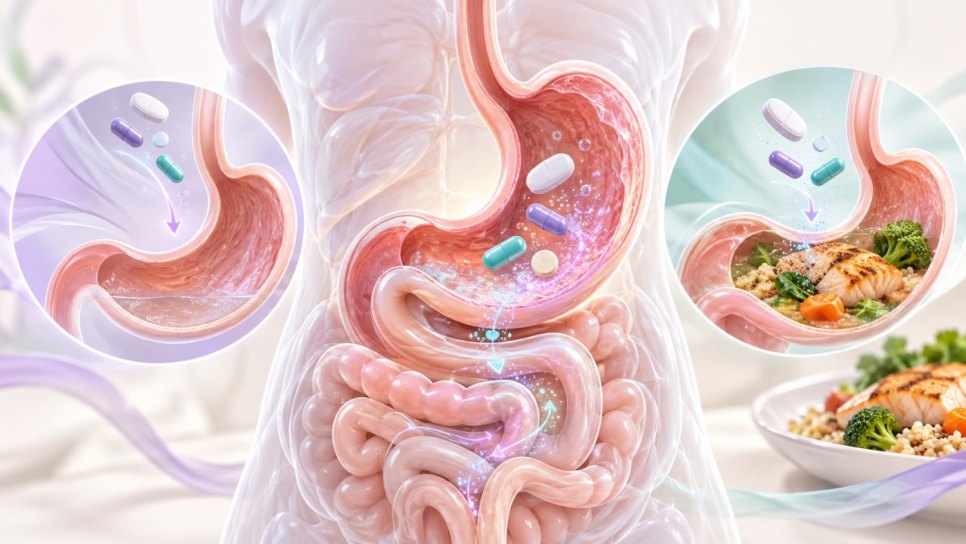
It is increasingly emphasized that many foods and drinks have not only positive or negative physical effects, but also psychological effects . There is therefore a belief that changing eating patterns can naturally improve many conditions without side effects. Affecting one in every 5 people worldwide, depression also leads people to seek natural, nondrug methods to relieve symptoms. Although no specific depression-treating diet has yet been discovered, did you know certain nutrients may help manage depressive symptoms?
What is the connection between nutrition and depression?
Studies have investigated whether nutrient deficiencies or inappropriate eating patterns are among the many factors that can cause depression, and whether correcting them may relieve symptoms. BMC Medicinepublished a study in which people with moderate or severe depression followed a special diet for 12 weeks with individual dietitian counseling, excluding processed (refined), packaged, fried and sweet foods.. Participants following it had markedly improved depressive symptoms compared with other groups, and %32 recovered, meaning they no longer met depression criteria.

Important foods and nutrients for depression
Selenium
Low blood selenium is known to be associated with depressed mood. Whole grains, tree nuts, seafood and poultry such as turkey and chicken contain abundant selenium.
Vitamin D
Vitamin D deficiency is known as one cause of depression. Most vitamin D is produced by our body following sun exposure; it also occurs in foods and can be supplemented if deficiency is detected. For dietary intake, salmon, tuna and mackerel contain abundant vitamin D.
Omega 3 fatty acids
It is a fact that we do not obtain enough benefit from omega-3 fatty acids. Although evidence is not strong enough to use them as a depression treatment, they are known among supportive treatments.
Foods rich in omega-3:
- Cold-water fish: salmon, sardines, tuna and mackerel
- Flaxseed, flaxseed oil and chia
- Nuts, particularly walnuts and almonds
The beneficial omega-3 fatty acid proportions in these foods can vary. Omega 3 also benefits brain health.
B Vitamins
Vitamin B deficiencies are considered when investigating depression causes, particularly vitamin B12 and B6. Eggs, meat, poultry, fish, oysters, dairy products and whole grains are rich in B vitamins.
Zinc
Research indicates adequate zinc levels are needed for healthy immunity. Zinc deficiency may also worsen depressive symptoms. Rich sources include whole grains, beans, oysters and nuts such as hazelnuts and walnuts.
Protein foods
Adequate protein is necessary for normal bodily functions and growth as well as depression treatment. Low-fat, high-protein foods such as tuna, turkey, chickpeas and curd cheese are beneficial.
Probiotics
Yogurt, kefir and similar probiotic-rich foods support beneficial intestinal bacteria, the microbiome (intestinal flora), and increasing studies investigate their help in improving some depressive symptoms. However, insufficient scientific data exist to say microbiota disturbances cause depression or probiotics alone can replace antidepressant treatment.

Points to consider
Should be avoided
Long-term or heavy alcohol use, stimulant use and narcotic use have been proven to cause depression. Similarly, high caffeine intake is said to predispose to depression by causing persistent anxiety. Limited use of stimulating drinks is therefore recommended.
Weight control
Obesity makes people more prone to depression, while depressed people are more prone to obesity. Excess weight is thought to predispose to psychological problems by affecting hormones, metabolism and immunity. Avoiding refined foods and processed fats is emphasized. Depression may increase the desire to eat, and craving sweets, especially as a perceived need to raise dopamine, can cause serious weight and health problems over time.
Exercise
To maintain weight and mental health, moderate activity totaling an average of 150 minutes weekly through exercise has substantial benefits.
Sleep
Adequate and regular sleep is indispensable for mental health. During sleep, the body produces chemicals regulating mental health, which play an active protective role against depression.
Above, we have tried to provide “brief” information about nutritional circumstances that may cause depression. However, depression is a highly complex disease associated with many causes beyond nutrition (see the figure below).

Sources
A randomised controlled trial of dietary improvement for adults with major depression (the ‘SMILES’ trial)
BMC Medicine. Jan 2017
Was this article helpful?
Your feedback helps us improve our content.
Reader comments
Share your comment
Your name and comment are published only after administrator approval. Your email address is never shown to visitors.
Be the first to comment.