
What Does Fat Accumulation in the Abdomen Mean? Causes, Risks and Suggested Solutions

In this article
What Is Abdominal Fat Accumulation?
Even more important than body weight and total body fat mass is where the fat is located in the body. Fat accumulation in the abdominal area is more dangerous than fat accumulation elsewhere, such as in the legs, arms and hips. The waist-to-hip ratio is important for understanding where a person's fat is distributed.
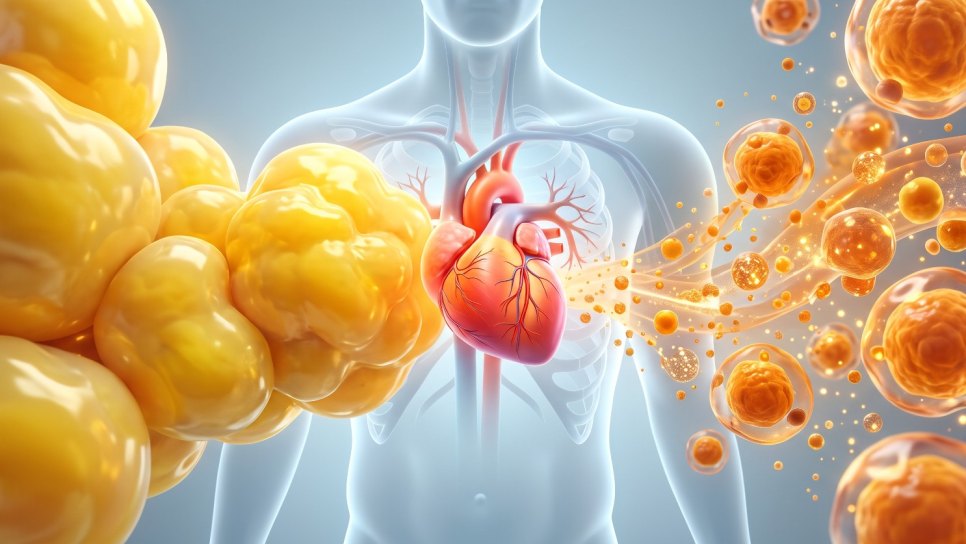
A high waist-to-hip ratio indicates abdominal fat accumulation. People with more fat around the waist than around the hips have a high waist-to-hip ratio, while those with less fat around the waist than the hips have a low ratio. The abdominal fat we call dangerous is not the thin, soft layer just beneath the skin. It is fat deep in the waist region, surrounding organs such as the stomach, intestines and liver and causing internal fat accumulation. This invites diseases that threaten health.
Which Disease Risks Does Abdominal Fat Increase?
Abdominal fat can increase the risk of many health-threatening diseases, such as diabetes, fatty liver, cardiovascular diseases, high cholesterol, breast cancer, colon cancer and pancreatitis.
2020 was the year in which a meta-analysis published in “BMJ” evaluated 72 prospective studies and a total of more than 2 million participants. The study aimed to examine research evaluating the effect of fat accumulation around the waist on life expectancy. It concluded that:
- Each 10 cm increase in waist circumference increased the risk of death by 11% in the findings;
- Each increase in the waist-to-hip ratio of 0.1 increased the risk of death by 20% (Source 1).
How Is Abdominal Fat Accumulation Diagnosed?
Today, body fat distribution can easily be determined through Bioelectrical Impedance Analysis (BIA). BIA technology sends safe electrical signals through the body and, through calculations performed by the device, shows total fat mass and regional fat distribution. However, identifying abdominal fat accumulation using anthropometric measurements is also quite easy and reliable.
Let us examine the recommended ideal measurements for waist circumference and waist-to-hip ratio:
Waist circumference should be no more than 102 cm in men and no more than 88 cm in women. The waist-to-hip ratio should be no more than 0.9 in men and 0.85 in women. Measurements above these figures are considered dangerous to health because they may trigger the development of many diseases.

The best approach for people with abdominal fat accumulation is to aim to lose the fat in this area without delay. However, it should be remembered that the safest and most effective way to lose body fat is healthy eating and regular exercise.
Fat-burning supplements encountered on social media may not contribute to fat burning and may also cost you your health. Aiming to burn fat by drinking water with vinegar or lemon, a common mistake among the public, will likewise be an unsuccessful approach.
To offer “5 healthy living” recommendations that you can follow both to lose abdominal fat and improve your overall health:
Limit Sugar and Sugary Drinks
When sugary food intake is high, the body stores excess sugar as fat. Many studies argue that excess sugar intake is stored around the waist and in the liver. It would therefore be much better to meet your need for sugar with natural foods such as fresh or dried fruit instead of packaged foods with added sugar. Instead of sugary drinks, good choices would be mineral water (if you do not have hypertension), herbal tea, ayran, kefir and smoothies made with natural foods.
Make Sure You Consume Enough Protein
Adequate protein intake will help speed up metabolism and reduce calorie intake by prolonging fullness. The right amount of protein varies according to many factors, such as age, muscle mass, physical goals, activity level and current health. However, the recommended minimum amount of protein is 0.8 grams per kilogram. For example, for a
70 kg person, the minimum daily protein amount is 56 grams.
For an average protein intake of 52 grams, consuming 1 egg, 2 thin slices of white cheese, 1 glass of milk, 4 tablespoons of yogurt, 6 tablespoons of legumes and 2 meatball-sized portions of meat/chicken/fish in 1 day would be sufficient.
As the example shows, by protein we do not mean only meat and meat products. It is also beneficial to use milk and dairy products, nuts and legumes when consuming protein. (You can visit our article compiling foods high in protein.)
Choose Fiber-Rich Foods
Adequate fiber intake will help increase fullness by slowing the digestion and absorption of the foods you eat. It also has positive effects on many other conditions, such as diabetes, bowel diseases and cardiovascular diseases. Fiber-rich foods include vegetables, fruit, legumes and whole grains. (For detailed information on fiber intake, you can visit the relevant article )
Increase Physical Activity
Exercise is undoubtedly one of the most important elements in both increasing fat burning and improving overall health. Taking age and general health into account, adding an option such as swimming, walking, cycling, running or weight training to your daily routine would be very beneficial. (For a review exploring the relationship between fat burning and sport, you can visit our relevant article ).
Limit Fat and Alcohol Intake
It would be beneficial to eliminate trans fats completely and limit saturated fats. Examples of “trans” fats include margarine and many packaged foods; for “saturated” fats, we can cite butter and processed meat products. We can cite that portion. Choosing “monounsaturated” fats such as olive oil instead of trans and saturated fats would be healthier. However, olive oil being healthy does not mean that it is low in calories. Olive oil should therefore be preferred as a fat source, but the amount consumed should be kept limited.
Alcohol can be classified as empty calories. Excess alcohol consumption is stored as fat and can particularly cause abdominal fat accumulation and fatty liver. In general, alcohol consumption makes no positive contribution to the body. Among alcoholic drinks, an occasional 1 glass of red wine may have certain health benefits because of its antioxidant flavonoids, but it is quite high in calories. You can also obtain antioxidant effects by increasing vegetable and fruit consumption.
Conclusion
It is clear that abdominal fat has health-threatening effects and can contribute to increased risk of many diseases. To improve overall health and reduce abdominal fat, we therefore recommend following a healthy, balanced eating plan and living as actively as possible. An example of a healthy, balanced eating pattern whose positive effects on health and weight loss have been demonstrated is the Mediterranean diet model as an example.
Sources
2. Central fatness and risk of all cause mortality: systematic review and dose-response meta-analysis of 72 prospective cohort studies, Jayedi A. et al., BMJ Journal, September 2020. https://www.bmj.com/content/370/bmj.m3324
Was this article helpful?
Your feedback helps us improve our content.


Reader comments
Share your comment
Your name and comment are published only after administrator approval. Your email address is never shown to visitors.
Be the first to comment.