
What You Should Know About Devices Used to Treat Obesity

In this article
If you are struggling with excess weight or obesity, you are not alone. In the United States alone, 70 percent of adults are overweight or obese, and approximately 38 percent of them are obese. Obesity is known to be associated with cardiovascular diseases, diabetes and cancer.
The situation in our country is no different from that in Western countries. In the graph below, you can see that over the past 40 years, the average body mass index of Turkish men has risen rapidly from "normal" to "overweight" values (the concept of "body mass index", a measure of obesity, is explained in detail below).

Generally, when physical activity and a weight-loss diet are ineffective, weight-loss treatment;
- may include medications,
- obesity operations (bariatric surgery), or
- medical devices.
However, if your doctor considers medication or surgery necessary for treating obesity, they will first ask you to adopt a healthy lifestyle including healthy eating and increase your physical activity.
In recent years, FDA, confirmed that medical devices are useful in treating obesity. These devices also produced favorable results for patients with obesity-related conditions (such as insulin resistance). However, it should not be forgotten that all medical devices and procedures may carry risks. Some risks can be serious.
Note: Approval of a medical product by the FDA, regarded worldwide as an authoritative institution for approving medical products, suggests that the product has passed rigorous safety and effectiveness tests.
Before moving to obesity devices, efforts must be made to address eating disorders. If you have conditions such as bulimia nervosa, you should receive treatment before considering medical products. Some obesity treatment devices cannot be used in all patients with eating disorders.
Related Topic:
How Is Obesity Measured?

Obesity is typically measured using body mass index (VKİ), based on height and weight. Body mass index is a value obtained by dividing weight in kilograms by height (square meters) (VKİ = kg /m2).
For example, for someone weighing 84 and measuring 175 cm in height, VKİ is calculated as follows:
84 / (1.75 x 1.75) = 84 / 3.06 = 27.45 (overweight)
Using VKİ, above-normal weight is generally divided into 2 categories:
- Those with a body mass index between 25-29.9 are overweight,
- those with 30 or above are obese .
Body mass index is widely used but is not a perfect measure. It is unsuitable in some circumstances. For example, muscle mass is denser than fat. Athletes may have high values despite having little fat, so it does not give accurate results. However, it also provides an easily accessible way to determine body fat in most people.
Currently, the FDA has approved only certain medical devices for treating patients with obesity. Which devices has the FDA approved for obesity treatment? What do we know about their risks and how much they change lifestyle?
FDA-approved obesity devices must be implantable, adjustable and removable from the human body. Currently, for obesity treatment in adults (+18), there are 4 approved medical devices.
These are;
- gastric bands,
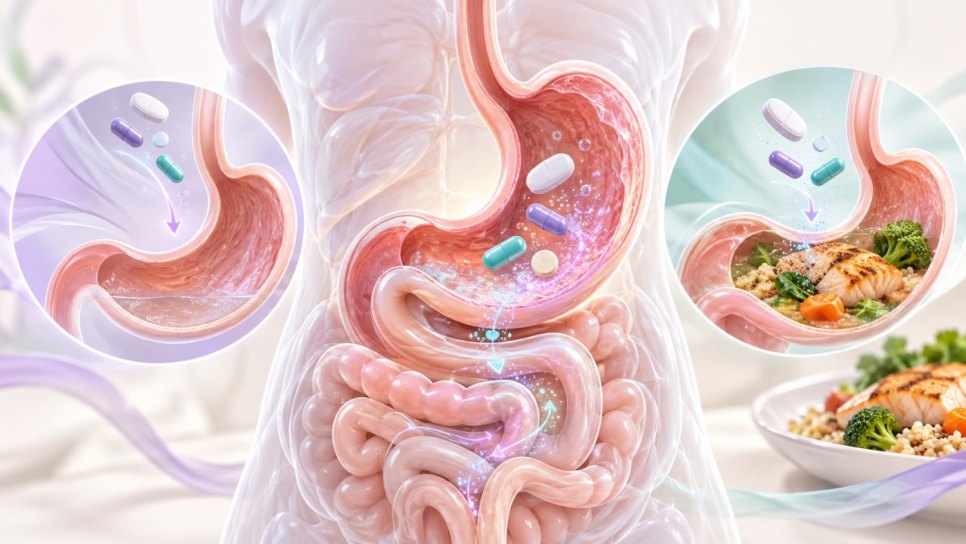
- gastric balloons,
- an electrical stimulation system, and
- a gastric emptying system.
People using these devices should be monitored by a healthcare institution.
Risks differ for each device, but nausea, vomiting, bleeding and infection are some shared risks. Patients should be reminded that some risks may be serious. They should be informed about the benefits and risks of different treatment options to select the most appropriate treatment.
Gastric bands and gastric balloons help patients eat less in one sitting. Patients using the gastric emptying system should regularly visit the healthcare institution and physician performing this procedure. Potential eating disorders should be monitored. If a problem develops, the device may need to be removed. Patients should remember that lifestyle changes (such as a healthy diet and exercise) are essential.
Nevertheless, treatment cannot be guaranteed to produce definite results. Patients using these devices and making lifestyle changes may not experience weight loss or weight maintenance.
FDA-Approved Medical Devices Used in Obesity Treatment

Gastric Band
This band is surgically placed around the stomach. It limits the amount of food eaten in one sitting and increases the time devoted to digestion. It helps people eat less. Gastric bands can be adjusted by adding or withdrawing fluid to regulate the duration of fullness.

Electrical Stimulation System
The electrical stimulation system is surgically placed in the abdominal region. It shuts down nerve activity between the brain and stomach (vagal nerve block). It contains nerve electrodes, wired pads and a small rechargeable generator producing electrical signals. The patient can charge the device externally and allows the healthcare professional to make the recommended adjustment. Although the mechanism of this electrical stimulation is well known, exactly how it causes weight loss is not understood.

Gastric Balloons
Depending on stomach capacity, these devices may consist of 1, 2 or 3 balloons. These balloons may come as a swallowable capsule connected to a thin catheter or may be placed in the stomach endoscopically. The balloons attached to the device are then filled with gas or saline. After the balloons are filled with saline, they are sealed and should be removed after 6 weeks. In 2017 and 2018, certain complications related to fluid-filled gastric balloons were reported (such as sudden stomach pain and pancreatic inflammation). The FDA therefore recommended that healthcare professionals closely monitor patients with gastric balloon complications.

Gastric Emptying System
With this most recently approved device for obesity treatment, a tube is placed in the stomach endoscopically, and a port is opened from the stomach to the abdominal skin. Its use is not approved in certain patients with conditions such as bulimia. After eating, at 20-30 minutes, stomach contents are emptied externally under the user's control. Patients using it should chew food thoroughly and make lifestyle changes. The device should be removed once the target weight is reached.
Apart from those listed above, a newly tested method in obesity surgery is gastric Botox. Gastric Botox is not a device but a procedure. However, gastric Botox does not have FDA approval for obesity treatment; that is, its safety and effectiveness have not yet been demonstrated.
In the table below, a summary shows FDA-approved obesity treatment devices, their intended uses and results obtained from clinical studies:

Sources
fda.gov 4 June 2018.
2. Phong Ching Lee ve John Dixon.
Medical devices for the treatment of obesity.
Nat Rev Gastroenterol Hepatol. Sep 2017.
Was this article helpful?
Your feedback helps us improve our content.


Reader comments
Share your comment
Your name and comment are published only after administrator approval. Your email address is never shown to visitors.
Be the first to comment.