
What Are Diabetes, Prediabetes and Insulin Resistance? Symptoms and Treatment

In this article
What Is Diabetes?
Diabetes (Diabetes Mellitus, DM), commonly known as sugar disease, is a chronic (long-term) metabolic disease characterized by high blood sugar (hyperglycemia) that affects the conversion of food taken into the body into energy.
The energy needed by our cells and organs is supplied mainly by blood sugar. Food is the source of blood sugar. In addition, small amounts of sugar are produced by the liver and muscles. When the sugar we obtain from food reaches high levels in the bloodstream, insulin is released into the blood from the beta cells of the pancreas. Insulinis a hormone that directs body cells to take up and store glucose to keep blood sugar levels within the normal range.
In diabetes, the body cannot produce enough insulin or cannot use the insulin it produces properly.
As a result, blood sugar remains at high levels in the bloodstream. Over time, this can cause serious health problems such as skin ulcers and nonhealing wounds, nerve damage called diabetic neuropathy, eye problems and vision loss, kidney disease, stroke and heart disease.

Diabetes in Numbers
- In the last 20 years, the number of people with diabetes in the United States has increased more than 3-fold.
- In the United States, 1 in every 4 adults has diabetes; 1 in every 3 adults has prediabetes (which can be described as a predisposition to diabetes or hidden diabetes), and the vast majority are unaware of it.
- Diabetes is the 7th leading cause of death in the United States.
- People who smoke are 30-40% more likely to develop type 2 diabetes than nonsmokers.
- At younger ages, people with diabetes are twice as likely as people without diabetes to experience cardiovascular disease or a stroke.
- People with diabetes who smoke are at higher risk of developing serious health problems, including heart and kidney diseases.
- Diabetes is the leading cause of chronic kidney disease, lower-limb amputations (surgical removal of a foot or leg) and adult blindness in developed countries.

How Is Diabetes Diagnosed?
People with diabetes can live long, healthy lives when their diabetes is detected and well managed. Living well with diabetes requires early diagnosis, adherence to treatment and lifestyle modifications , all of which are very important. The longer diabetes remains undiagnosed and untreated, the worse its health outcomes are likely to be.
What Should Normal Fasting Blood Sugar Be?
The American Diabetes Association (ADA) defines the normal fasting blood sugar level as < 100 mg/dl for an individual.
The criteria indicating increased risk of diabetes are:
- Fasting blood sugar between 100 and 125;
- A 2-hour fasting blood sugar between 140 and 199 during a 75 gr OGTT (glucose tolerance test);
- An HbA1c value between 5.7 and 6.5.
Although these criteria are not sufficient to diagnose diabetes, they indicate an increased risk of diabetes.
What Are the Diagnostic Criteria for Diabetes?
- Only one of the following criteria established by the American Diabetes Association is sufficient for diagnosis:
- Fasting plasma glucose (FPG) ≥ 126 mg/dl. Fasting plasma glucose (blood sugar) requires fasting for at least 8 hours.
- Plasma glucose at the 2nd hour of an oral glucose tolerance test (OGTT) ≥ 200 mg/dl. The OGTT should be performed using a glucose load containing the equivalent of 75 grams of anhydrous glucose dissolved in water, as described by the World Health Organization.
- HbA1c ≥ 6.5%. HbA1c can be used as a diagnostic test only when measured using internationally standardized methods. Since HbA1c measurement tests have not yet been standardized in our country, its use alone as a diagnostic test is not recommended. The HbA1c test should not be used diagnostically in anemia, hemoglobinopathies (blood disorders), blood transfusion within 2-3 months, chronic kidney failure or pregnancy, or during use of antioxidants such as vitamins C and E.
- Random plasma glucose ≥ 200 mg/dl in a patient with classic symptoms of hyperglycemia (high blood sugar) or hyperglycemic crisis (thirst, frequent and excessive urination, weight loss, blurred vision). Random plasma glucose can be measured at any time of day, regardless of food intake (fasting or after eating).
What Is HbA1c (Glycated Hemoglobin)?
Along with fasting blood sugar, HbA1c is the most commonly used test for monitoring diabetes treatment. HbA1c reflects average glucose over the previous 2-3 months. HbA1c is also an indicator of the risk of developing diabetes complications.
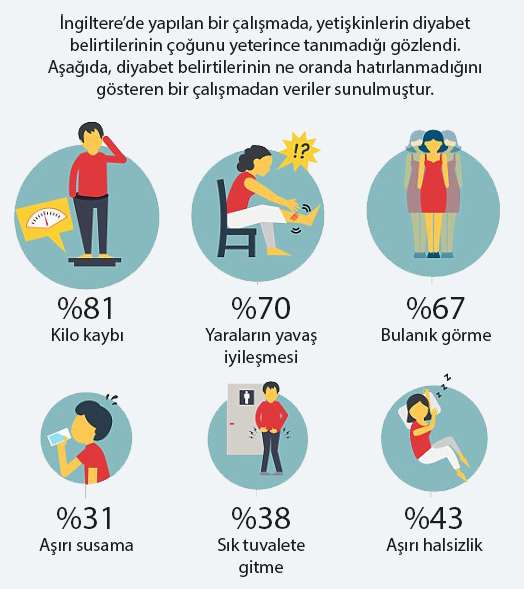
What Are the Symptoms of Diabetes?
- Dry mouth,
- excessive eating or loss of appetite,
- drinking a lot of water,
- frequent urination in large amounts,
- getting up at night to urinate,
- weight loss,
- blurred vision,
- numbness in the feet,
- tingling and burning,
- frequent urinary tract and genital infections,
- fungal infections,
- dry, itchy skin,
- and fatigue are common symptoms of diabetes.
What Is Prediabetes?
Prediabetes is a condition in which blood sugar is higher than normal (fasting blood sugar between 100 and 125 mg/dl) but not yet high enough for a diagnosis of type 2 diabetes. Prediabetes may also be called the period before diabetes or hidden diabetes. People with prediabetes have a higher risk of developing type 2 diabetes, heart disease and stroke than other individuals. However, lifestyle changes have been shown to reduce risks and prevent progression from prediabetes to diabetes by between 40% and 70%.
Insulin resistance is the most important cause of prediabetes. When insulin resistance develops, cells in the body do not respond to insulin, so insulin cannot move blood sugar into cells. The pancreas must release more insulin to make the cells respond. Eventually, blood sugar does not fall despite the high amount of insulin, creating the conditions for prediabetes.
Diagnostic Criteria for Prediabetes
- Fasting blood glucose between 100-125 (impaired fasting glucose)
- HbA1c between 5.7 - 6.4%
- Blood sugar between 140-199 mg/dl at the 2nd hour of an OGTT (impaired glucose tolerance)
What Are the Symptoms of Prediabetes?
Prediabetes generally causes no symptoms. The only way to find out is to have blood sugar measured. Therefore, if you have any of the following risk factors for diabetes, you can speak with your doctor about blood sugar testing for early detection of prediabetes.
What Are the Diabetes Screening Criteria for People Without Complaints or Symptoms (Asymptomatic People)?
Screening for diabetes before age 45 is recommended for people who are overweight or obese (body mass index ≥ 25 kg/m2) and belong to one of the following risk groups.
What Are the Causes / Risk Factors of Diabetes?
In addition to being mildly overweight or obese ,
- Being aged 45 or over
- Lack of movement (physical inactivity)
- Having a mother, father, brother or sister with type 2 diabetes
- Hypertension (≥140/90 mmHg or receiving treatment for hypertension)
- HDL cholesterol <35 mg/dl and/or triglycerides >250 mg/dl
- Clinical signs of insulin resistance
- Previously identified impaired fasting glucose or impaired glucose tolerance
- Presence of cardiovascular disease
- Having delivered a baby weighing ≥ 4 kg or having previously been diagnosed with gestational diabetes (diabetes during pregnancy)
- Polycystic Ovary Syndrome
- Having been born with low birth weight
- Having a chronic degenerative brain disease or taking antipsychotic medication
- Having undergone an organ transplant increases susceptibility to diabetes.
However, it is important to know that not all types of diabetes result from being overweight or leading an inactive lifestyle. Some may even begin in childhood.

How Many Types of Diabetes Are There?
1. Type 1 Diabetes
There is generally pancreatic damage leading to a complete lack of insulin. It usually begins during childhood and adolescence but can occur at any age. Genetic factors play an important role in the development of type 1 diabetes, while other factors such as viruses and infections may also contribute.
- Immune-mediated Type 1 DM (95% of cases), pancreatic autoantibodies (+)
- Type 1 DM of unknown cause (5% of cases), autoantibodies (-)
2. Type 2 Diabetes
Type 2 diabetes involves progressively impaired insulin secretion and/or insulin deficiency against a background of insulin resistance. The presence of the risk factors mentioned above also increases the risk of developing type 2 diabetes.
3. Gestational (Pregnancy-Related) Diabetes
Gestational diabetes does not occur in all women. It occurs in pregnant women whose bodies become less sensitive to insulin during pregnancy. Gestational diabetes, which usually resolves after birth, is also a risk factor for type-2 diabetes.
4. Other Specific Types
Genetic defects of beta cell function
- MODY (monogenic diabetes—type 2 diabetes occurring in young people), mitochondrial DNA and others
Genetic defects in insulin action
- Type A insulin resistance, lipoatrophic diabetes, Leprechaunism, R-Mendenhall Syndrome
Disorders of pancreatic enzyme secretion
- Pancreatitis (inflammation of the pancreas), pancreatic trauma and operations, pancreatic cancer, cystic fibrosis, hemochromatosis and others
Endocrine Diseases
- Acromegaly, Cushing Syndrome, glucagonoma, pheochromocytoma, hyperthyroidism, somatostatinoma, aldosteronoma and others
Diabetes Caused by Drugs and Chemicals
- Glucocorticoids, thyroid hormones, b-adrenergic agonists, thiazide diuretics, antipsychotic drugs, statins, d-interferon and others
Infections
- Congenital (present at birth) rubella, cytomegalovirus, coxsackie b, mumps, adenoviruses and others

How Is Type 2 Diabetes Treated?
Type 2 diabetes, which accounts for approximately 90% of all diabetes cases, has a long preparatory period (prediabetes). However, during this period, which lasts between 5-15 years, a person may have no symptoms of diabetes.
The primary goal of diabetes treatment is to prevent type 2 diabetes from developing in high-risk individuals. Another important point is that diabetes treatment should be determined entirely according to a person’s condition, lifestyle and individual risks—in other words, individualized.
1. Lifestyle Changes
No medication can replace lifestyle changes.
People diagnosed with type 2 diabetes should return to their ideal weight and make lifestyle changes to support overall health. Lifestyle changes benefit not only blood glucose but all risk factors. Lifestyle changes should achieve 5-10% weight loss in 6 months. This helps prevent diabetes in people with prediabetes and helps reverse or manage the disease in those who already have diabetes.
Recommendations for eating habits and physical activity, two important components of lifestyle changes, should be tailored to the individual characteristics of the person with diabetes.
Healthy Living Tips for People with Diabetes:
- Choose fresh, nutritious foods containing whole grains, fruits, vegetables, lean proteins, low-fat milk and healthy fat sources such as hazelnuts and almonds.
- Avoid unnecessary calories without nutritional value, such as sugary foods with empty calories, sweetened carbonated drinks, fried or processed foods and desserts.
- Do not smoke or use tobacco or electronic cigarettes.
- Avoid excessive alcohol intake (women are advised not to exceed one glass a day and men 2 glasses a day).
- Try to be as physically active as possible.
- Do brisk walking or aerobics, cycle, swim or do other vigorous exercises for at least 30 minutes a day, 5 days a week.
- Recognize possible symptoms of low blood sugar (hypoglycemia) during exercise, such as dizziness, confusion, weakness and heavy sweating.
Exercise and appropriate dietary choices allow some people with type 2 diabetes to live without medication. Remember that achieving weight-loss goals slowly but steadily will provide substantial long-term benefits.
- Related Topic: Can People with Diabetes Eat Fruit?
2. Metformin
Metformin is an important drug that is recommended for use in the treatment and prevention (in people with prediabetes) of type 2 diabetes.
Metformin:
- Lowers blood sugar
- Reduces glucose (sugar) production in the liver
- Helps make insulin more sensitive and effective to increase glucose uptake by muscle tissue.
Metformin may also help with weight loss. It also benefits the cardiovascular system. Possible side effects include intestinal discomfort (usually temporary adverse effects such as gas, bloating, cramps and diarrhea), a metallic taste in the mouth and vitamin B12 deficiency. Rarely, it can cause lactic acidosis, particularly in conditions with reduced tissue blood supply and oxygen levels. Its use is not recommended in severe kidney disease, long-term alcohol use, liver and lung disease (COPD), the first days of a heart attack or on days when radiological imaging with contrast is performed. When it is used with other medicines, ask your doctor about drug interactions and adverse effects.
- You May Be Interested: Could Metformin Have a Protective Effect Against Cancer?
3. GLP-1 Receptor Agonists and SGLT Inhibitors
In its 2018 guideline, the American Heart Association (AHA) recommended adding sodium-glucose cotransporter 2 (SGLT2) inhibitors or glucagon-like peptide-1 (GLP-1) receptor agonists to diabetes treatment for people with atherosclerotic and chronic kidney disease. In addition to people with atherosclerotic cardiovascular disease, new guidelines advise recommending an SGLT2 inhibitor to those at high risk of heart failure.
- GLP-1 receptor agonists (albiglutide, dulaglutide, exenatide, liraglutide, lixisenatide and semaglutide) increase secretion of incretin hormones. These hormones are called glucagon-like peptide-1 (GLP-l) and glucose-dependent insulinotropic peptide (GIP).
Incretins are found in the intestines and, after food intake, increase pancreatic insulin secretion through enteroendocrine cells in the intestines. Their advantages include a reduced risk of new events and death in the presence of cardiovascular disease (liraglutide; LEADER study), weight loss and a low risk of hypoglycemia. This is an injectable medication. They may be used with metformin or alone. Possible side effects include gastrointestinal problems (nausea and loss of appetite) and pancreatitis. - SGLT2 inhibitors (dapagliflozin and empagliflozin) are a new type of drug used to lower sugar levels. They reduce glucose reabsorption in the kidneys, so sugars remain in the urine and are excreted. Advantages include a mild reduction in blood pressure, a reduced risk of new events and death in people with cardiovascular disease (empagliflozin; EMPA REG study), mild weight loss and a low risk of hypoglycemia. However, side effects can include frequent urinary and genital infections and ketoacidosis (diabetic coma). Their use is not recommended in dehydration, kidney failure, people aged <18 or >75, or people with low blood pressure.
4. Other Drugs
- Alpha-glucosidase inhibitors (acarbose and miglitol) slow the breakdown of complex carbohydrates into glucose and its absorption after a meal. They may increase intestinal gas.
- Glinides (nateglinide and repaglinide) are short-acting insulin secretagogues. Glinides stimulate insulin secretion from the pancreas. Possible side effects include blood sugar falling below appropriate levels (hypoglycemia) and weight gain.
- Sulfonylureas (gliclazide, glimepiride, glibenclamide, glibornuride) are intermediate- and long-acting insulin secretagogues. They have strong and rapid effects and reduce microvascular risk (their effect has been demonstrated in long-term studies such as UKPDS and ADVANCE). Possible side effects include hypoglycemia and weight gain.
- Glitazone (pioglitazone) reduces insulin resistance by affecting enzymes and transport proteins in insulin and lipid metabolism. It reduces the long-term risk of cardiovascular disease and stroke. Close monitoring is needed because of side effects such as weight gain, edema and increased fracture risk due to osteoporosis. People with heart failure or bladder cancer are advised not to use it.
- DPP-4 inhibitors (sitagliptin, vildagliptin, saxagliptin and linagliptin) are incretin-based agents. They increase insulin secretion through intestinal enteroendocrine cells. They do not cause low blood sugar (hypoglycemia). Caution is recommended in people who have had pancreatitis, high triglycerides or gallstones. They have no effect on weight. Linagliptin offers an advantage in people with chronic kidney failure.
What Should the Treatment Approach Be in a Patient Newly Diagnosed with Type 2 Diabetes?
- Lifestyle changes should be recommended at every step.
- Acarbose can be used in combination (added to medications) at every step.
- After blood sugar is controlled in type 2 diabetes, dynamic follow-up should continue; if necessary, treatment should return to the previous step and medications and doses should be reduced.
- C-peptide is the most important indicator of beta cell reserve. In type 2 diabetes, C-peptide levels may be negatively affected by hyperglycemic conditions and glucotoxicity. However, if C-peptide levels remain high despite hyperglycemic conditions, this is important for treatment response.
- All patients with inadequate beta cell reserve (C-Peptide < 0.5 ng/ml) should be treated with insulin regardless of HbA1c.
- A coformulation of basal insulin and a GLP-1 analog may be an option.
What Should the Treatment Approach Be in Previously Diagnosed Type 2 Diabetes Under Treatment?
- Lifestyle changes should be recommended at every step.
- Acarbose can be used in combination at every step.
- If HbA1c remains above 8% despite up to 3 months of treatment, proceed to the next step.
- If HbA1c > 10% despite effective OAD treatment, proceed directly to insulin treatment.
- After blood sugar is controlled in type 2 diabetes, dynamic follow-up should continue; if necessary, treatment should return to the previous step and medications and doses should be reduced.
5. Insulin Treatment
People with type 1 diabetes and some with type 2 diabetes may need insulin to prevent blood sugar levels from rising too high. Insulin helps regulate high blood sugar in people with diabetes and allows them to live active lives. However, high doses can also cause serious adverse effects such as severe hypoglycemia.
Principles of Insulin Treatment in Type 2 Diabetes
- For patients using two oral antidiabetic (OAD) agents whose HbA1c remains > 7.5% 3-6 months after treatment has optimized HbA1c, another OAD group or basal insulin should be added.
- If HbA1c > 10% despite effective OAD treatment, proceed directly to insulin treatment.
- Patients starting insulin should be informed about recognizing, preventing and treating hypoglycemia (low blood sugar).
- Patients should be educated about insulin dose titration.
- Insulin and glitazones should not be given together in patients with heart failure.
- Glucose monitoring should continue in patients who reach ideal blood glucose levels with insulin treatment. Hypoglycemic episodes may occur in 50% of users, requiring another reduction in insulin dose.
“TÜRKDİAB Diabetes Diagnosis and Treatment Guide 2018”
Insulin is frequently injected under the skin or into fatty tissue close to the skin surface. There are 3 types of insulin—rapid-, intermediate- and long-acting—classified by how quickly their effects start, how quickly they reach peak activity and how long their effects continue before ending.
- Rapid-Acting Insulins
They are used to control sudden increases in blood sugar after a meal and to rapidly reduce blood sugar that has reached very high levels.- Rapid-acting insulin analogs: Their effect begins in 5-15 minutes and generally lasts 4 hours.
- Regular human insulin: Its effect begins in 30-60 minutes and generally lasts 8 hours.
- Intermediate-Acting Insulins
They enter the bloodstream more slowly but their effect lasts longer. Their main use is to regulate blood sugar at night. However, they also effectively balance glucose between meals.- NPH human insulin: Its effect begins in 1-2 hours and peaks in 4-6 hours. In some cases, it may last up to 12 hours.
- Premixed (combined) insulins: These combine rapid-acting and NPH insulin, with effects beginning in 30 minutes and lasting up to 12 hours.
- Long-Acting Insulins
Long-acting insulin analogs consist of a single type and begin acting between 1.5 and 2 hours. Different brands may have different durations, but the total effect ranges from 12 to 24 hours. They are suitable for regulating blood sugar during fasting, between meals and at night.
Some people with diabetes need short-acting insulin or combinations of insulin types, while others prefer long-acting insulin to maintain blood sugar levels continuously. Your doctor will help determine individualized treatment—the treatment most appropriate for you—which is the most important step in diabetes care. However, remember that lifestyle changes are far more important than medication and are essential to a long, healthy life with diabetes.
Sources
2. American Diabetes Association (ADA), Diabetes Care 2018 Jan; 41(Supplement 1): S13-S27
3. ADA, 2. Classification and Diagnosis of Diabetes: Standards of Medical Care in Diabetes, 2018
4. An overview of diabetes types and treatments, medical news today, 12.2018
5. Diabetes, Centers for Dİsease Control and Prevention (CDC)
6. Prediabetes: A high-risk state for developing Diabetes, Lancet. 2012 Jun 16;2279–2290.
Was this article helpful?
Your feedback helps us improve our content.




Reader comments
Share your comment
Your name and comment are published only after administrator approval. Your email address is never shown to visitors.
Be the first to comment.