
12 Recommendations for Hair Loss Caused by Chemotherapy and Cancer Treatments
Reading tools

In this article
Chemotherapy-related hair loss
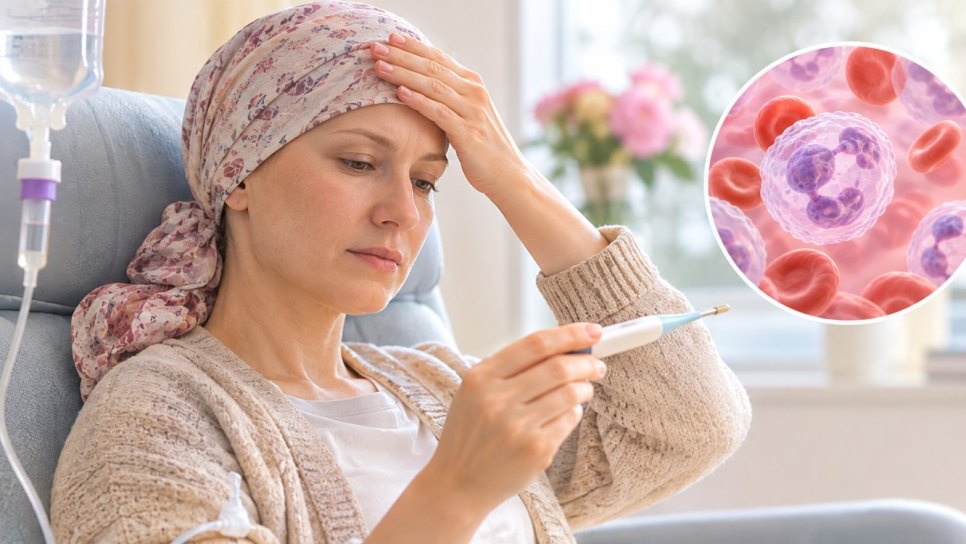
Hair loss (alopecia) is one of the most common and most distressing side effects of cancer treatment. Although not all medicines used to treat cancer cause hair loss, most do. Hair may start falling out within 2-4 weeks after chemotherapy begins. The good news is that almost all hair loss caused by cancer treatments is temporary.
12 things you can do about hair loss caused by cancer treatment
- Get informed: Not all chemotherapy medicines affect your hair in the same way. Some only cause hair thinning. Others may cause hair loss. You can ease your fear of hair loss by asking your doctor exactly what to expect.
- Inform your family: Children in particular may be frightened or even embarrassed by hair loss. Tell them about the possibility of hair loss and why your treatment is so important. The more positive you are, the more positively your loved one will respond.
- Related topic: How should children be told that their mother or father has cancer? - Take care of your hair: To slow hair loss, avoid strongly scented shampoos and hair care products containing alcohol or salicylic acid. During this period, do not dye, perm or chemically straighten your hair. Avoid using curling, straightening or flat-ironing tools to style your hair. Use soft-bristled hairbrushes and blow-dry on low power and heat, or allow your hair to dry naturally if the weather permits.
- Try a shorter hairstyle: Short styles may make your hair look thicker and fuller (and make wearing a wig more practical). If you choose to shave your head, use an electric shaver or have it done at a hair salon.
- Pay attention to skin care: When your hair falls out, your scalp may become tender or itchy. A moisturizing shampoo and conditioner may help.
- A few easy-to-follow suggestions: Wearing a soft cap or scarf on your head at night may help collect loose hairs. Avoid tight hairstyles that pull on your hair, such as braids or ponytails. A silk pillowcase also provides greater comfort by reducing friction while you sleep.
- Protect your head: A shawl, cap or hat protects you from the cold outdoors. If the weather is warm and you prefer not to wear these, apply sunscreen to your scalp to protect against sunlight.
- Consider a wig or hairstyle: If you decide to wear a wig, shop early in your treatment to find one that suits your natural hair color, texture and hairstyle.
- Wear what suits you: You can wear a favorite pair of earrings or a colorful scarf/shawl. Women may wish to use light makeup and an eyebrow pencil. Taking care of your appearance has a positive effect on your mood and self-confidence.
- Talk about hair loss: Feeling anxious, depressed or insecure about losing your hair is normal. This is generally harder for women than for men. A support group can share your feelings and offer advice.
- Be patient: After most chemotherapy ends, your hair begins to grow back within a few weeks or months. It may have a different color and texture and may sometimes even grow back thicker than before.
- Learn about scalp cooling: This involves cooling the scalp using a special cap (chemocap). This reduces the effect of chemotherapy on hair follicles and consequently reduces hair loss. This method is most often preferred in patients with breast cancer during adjuvant and neoadjuvant treatment.
RELATED TOPIC
Was this article helpful?
Your feedback helps us improve our content.
Reader comments
Share your comment
Your name and comment are published only after administrator approval. Your email address is never shown to visitors.
Be the first to comment.