
What Causes Bladder Cancer? Findings from a 2023 Review

In this article
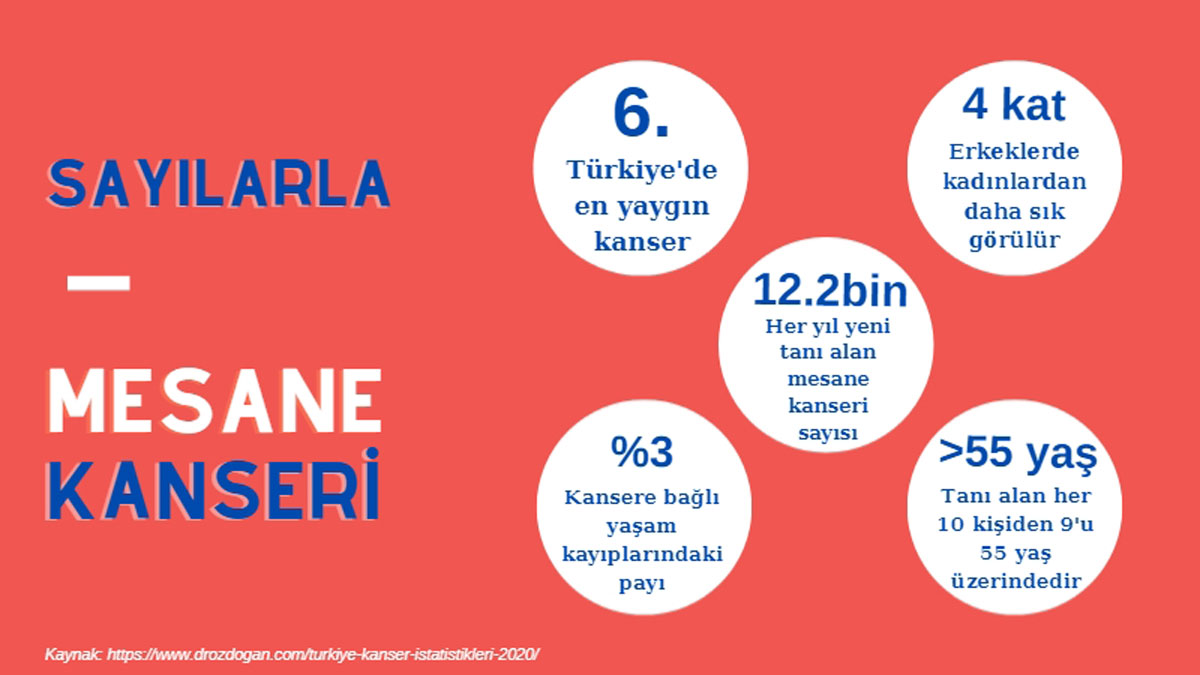
Bladder cancer research has confirmed established causes while identifying newer risk factors, including opium use, an imbalanced microbiome, firefighting and diesel exhaust. These findings were described in a new review published in European Urology on May 15, 2023.
A risk factor for cancer is anything that increases the likelihood of developing it. Risk factors include both controllable factors, such as environmental exposures and lifestyle, and uncontrollable factors, such as genetics. Each may increase susceptibility to particular cancers. However, having a risk factor does not necessarily mean cancer will develop. Equally, having no risk factors does not guarantee that it will not.
Dr. Ibrahim Jubber of the University of Sheffield, UK, and colleagues systematically reviewed 349 studies published between 2018-2022.
This comprehensive systematic review found that smoking and occupational exposure to chemical carcinogens are the largest risk factors.
Studies also suggest other risk factors, including certain dietary factors, an imbalanced microbiome, gene-environment interactions, diesel exhaust exposure and previous pelvic radiotherapy for other conditions.
Smoking
As the researchers noted, tobacco use still accounts for half of bladder cancer cases. Risk increases with the intensity and duration of smoking and decreases after cessation.
Even minimal smoking or opium use was found to significantly increase bladder cancer risk, by approximately 2.9 times. Some research also suggests that e-cigarette vapor contains carcinogenic components. However, definitive conclusions may require observing the effects of e-cigarette use over 20-30 years. Research on cannabis use has produced conflicting findings.
Related topic: What Are CBD, THC and Cannabis Oil? Health Effects of Substances Derived from Hemp
Occupational Carcinogen Exposure
In industrialized countries, workplace chemical exposure is the second most common bladder cancer risk factor. Occupations potentially involving carcinogen exposure include firefighters, painters, dry cleaners, automotive workers, hairdressers, and workers in aluminum, metal, rubber, textile, printing and dye industries.
Gases generated by industrial processes and combustion include acetaldehyde, formaldehyde, sulfur dioxide, benzene, toluene and ethylbenzene. Other potential occupational carcinogens include coal, soot, benzidine, 4-aminobiphenyl, ortho-toluidine, 2-naphthylamine, 4-chloro-ortho-toluidine, 2-mercaptobenzothiazole and tetrachloroethylene.
Diet and Exercise
A Western-style diet rich in fast food, fried foods and refined/processed foods is associated with increased bladder cancer risk, while a Mediterranean diet is associated with reduced risk. High vegetable, fruit and grain intake and moderate-to-vigorous exercise may lower risk. Heavy meat and alcohol consumption and low vitamin D levels may increase it.
Environmental Carcinogens
High exposure to arsenic in drinking water, diesel exhaust emissions and outdoor air pollution may increase the likelihood of bladder cancer.
Detoxification is a vital process by which the body makes harmful substances, in this case cancer-causing carcinogens, harmless. Certain genetic factors can impair this process and cause health problems. In particular, people with certain gene variants, or genotypes, may have impaired detoxification. This can allow carcinogens to cause greater harm and increase bladder cancer risk. For example, if variants slow or stop detoxification, carcinogens may remain in the body longer and lead to cancer. People with such variants may therefore be at higher bladder cancer risk when exposed to carcinogens.
The Microbiome
The microbiome is the community of trillions of bacteria, viruses and other microorganisms living in the human body. They perform many functions important for health, including supporting immunity, breaking down nutrients and protecting against disease. Imbalances among them, however, may lead to health problems. This is where the relationship between the urinary microbiome and bladder cancer becomes relevant.
The balance of the urinary microbiome may affect bladder cancer development. Infection with certain parasites, particularly Schistosoma haematobium, is linked to increased risk. Bacteria such as Pseudomonas, Micrococcus and Acinetobacter can also convert polycyclic aromatic hydrocarbons into carcinogenic metabolites. Conversely, abundant Lactobacillus may reduce risk and protect bladder health. Carefully managing and balancing the urinary microbiome may therefore be an important risk-reduction strategy.
Other studies suggest that a healthy gut microbiome reduces bladder cancer risk. Patients with a Bacteroides-dominant enterotype were more likely to have aggressive bladder cancer than those with a Prevotella-dominant enterotype.
Urinary Tract Infection
In patients with a neurogenic bladder, chronic catheter use and recurrent urinary tract infections can cause urinary tract inflammation, potentially contributing to bladder cancer. Some studies also suggest that urinary stones, bladder diverticula (small protrusions in the bladder wall) and benign prostatic hyperplasia (noncancerous prostate enlargement) may cause bladder cancer. These conditions can cause urine retention or irritation of the bladder wall. By damaging cells and triggering abnormal cell growth, they may create conditions favorable to cancer development. People with these symptoms should therefore undergo regular medical assessment and receive appropriate treatment when necessary.
Medical Conditions
Several large studies have shown that external-beam radiotherapy and brachytherapy (internal radiotherapy) for prostate cancer may lead to bladder cancer. Findings also associate radiotherapy and cisplatin-based chemotherapy used for gynecological cancers and nonseminomatous testicular cancer with increased bladder cancer risk.
A number of studies have linked bladder cancer risk to medical conditions including obesity, metabolic syndrome, diabetes, hypertension, hyperlipidemia, stroke, asthma, autoimmune diseases, rheumatological conditions and solid organ transplantation. However, these studies are often limited by missing critical factors needed to determine how much each condition contributes to risk and how specific medicines used to treat it influence that risk. Current information therefore remains incomplete and uncertain, requiring more detailed, comprehensive research.
Medications
According to the International Agency for Research on Cancer (IARC), there is "sufficient evidence" linking bladder cancer to cyclophosphamide and klorafazin, medicines used for different conditions. This suggests that prolonged or intensive use may increase bladder cancer risk.
Preliminary research also suggests possible links with pioglitazone (a diabetes medicine), ranitidine (for stomach acid problems), levothyroxine (thyroid hormone replacement) and angiotensin 2 receptor blockers (medicines for hypertension and heart disease). Further research is needed to establish these associations.
The relationship with androgen deprivation therapy, commonly used for prostate cancer, and 5-alpha reductase inhibitors, commonly used for prostate enlargement, is less certain. Studies have found that these treatments may either increase or decrease bladder cancer risk. More rigorous research is therefore needed before drawing a conclusion.
Sources
Was this article helpful?
Your feedback helps us improve our content.




Reader comments
Share your comment
Your name and comment are published only after administrator approval. Your email address is never shown to visitors.
Be the first to comment.