
The 8 Most Preventable Cancer Types

In this article
Can Cancer Be Prevented?
"What Causes Cancer?" is a question often answered in these ways:
- Unpredictable, chance-related, uncontrollable causes
- Hereditary factors (inherited from parents)
But these answers overlook half the causes of cancer; of every 10 cancer cases, at least 4 are genuinely preventable. We can take various measures to protect ourselves and our loved ones from cancer.
This article discusses how to protect yourself against 8 types of cancer.
Preventing Cervical Cancer
HPV (human papillomavirus) cervical cancers are known to be caused by it in % 99 of cases. The HPV vaccine developed through extensive research makes it possible to say this cancer is almost entirely preventable. Women can also, from age 21, have regular Pap smear screening for cervical cancer, allowing precancerous cellular changes to be found and treated.
The figure below shows HPV-related cancers as illustrated.

Preventing Lung Cancer
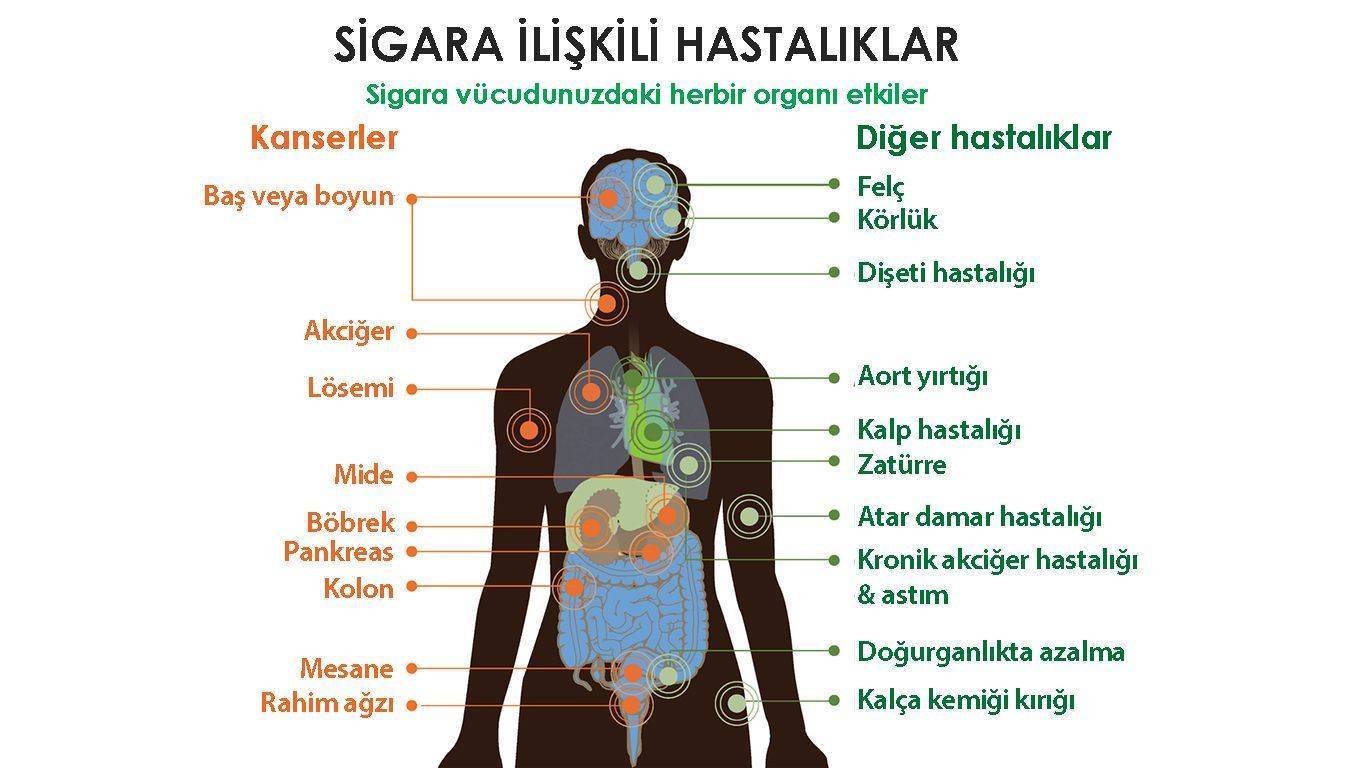
According to the World Health Organization, lung cancers are caused by smoking in at least % 80 of cases. Do not smoke; if you smoke, quit. Exposure to tobacco smoke also increases risk. Fortunately, indoor smoking bans now offer us some additional protection. However, working in a bar or restaurant exempt from smoke-free laws can substantially increase exposure. Paying attention to this can significantly reduce lung cancer risk.
The figure below shows smoking-related diseases can be seen:
- Related Topic: 4 Tips for Quitting Smoking – Current Approaches
Preventing Mouth and Throat Cancers
According to the American Institute for Cancer Research, % 63 of oral, pharyngeal (throat) and laryngeal (voice box) cancers can be prevented, particularly by limiting smoking and alcohol and making simple lifestyle changes. Alcohol is an established carcinogen(cancer-causing agent) linked to a range of cancers. Even moderate alcohol consumption is now known to increase certain cancer risks. Men and women are therefore advised to drink below the moderate drinking limits indicated below or to quit. HPV infection should also be remembered as an important cause of head and neck cancer (see HPV-Related Head and Neck Cancers).

- Related Topic: Head and Neck Cancer Symptoms
Preventing Esophageal Cancer
Esophageal cancer is also estimated to be preventable in % 63 of cases. A factor substantially increasing a person's esophageal cancer risk is obesity! Obesity increases cancer risk through body-fat-induced chronic inflammation , which can cause insulin resistance and stimulate cell growth. These processes increase the risk of cells undergoing mutation and cancer developing. Alongside maintaining a healthy weight, limiting alcohol, quitting smoking and eating more fruit and vegetables can substantially reduce esophageal cancer risk.

Preventing Endometrial (Uterine) Cancer
Endometrial (uterine) cancer cases result from excess body fat in % 59 of cases.
Scientific research suggests excess fatty tissue after menopause may cause uterine cancer by producing excess estrogen. Refined carbohydrates have also been associated with endometrial cancer, so eliminating sugary drinks and white flour may help reduce risk. Physical activity has been shown to benefit endometrial cancer. We recommend 30 minutes of moderate activity daily (ideally up to 60 dk). Even when exercise does not cause weight loss, exercise alone reduces the risk of some cancers. This may be because it reduces insulin and other growth factorsthat can stimulate cancer cells.
- Related topic: Exercise and the 14 Cancer Types Whose Risk It Reduces
Preventing Colorectal (Colon and Rectal) Cancers
The gastrointestinal system is greatly affected by food and drink. Alcohol, for example, is a carcinogen increasing colorectal (large intestine) cancer risk by % 50. Eating too much red or processed meat also increases risk in these cancers. Additives such as nitrates and nitrites, particularly in processed meat, are especially harmful. Red meat is generally recommended 1-2 times a month. Regular colonoscopy screening is also very important. We recommend all adults begin colon and rectal cancer screening, for example with colonoscopy, from age 50.
Related Topics:
- What to Know Before Colonoscopy – Preparation
- 7 Alternatives to Colonoscopy for Early Colon and Rectal Cancer Detection
Preventing Breast Cancer
Approximately % 33 of breast cancer cases are preventable. Limiting alcohol is important because alcohol has been shown to increase breast cancer risk both before and after menopause. Breastfeeding helps protect women against some breast cancers (particularly postmenopausal breast cancers). Avoiding excess weight and exercising regularly also significantly reduce breast cancer risk. In addition, processed meat, diesel exhaust, substances used in stain-resistant rugs and fabrics, and various chemicals in burnt/charred foods have evidence linking them to increased breast cancer risk. Identifying people at risk of hereditary breast cancer and taking preventive measures for them also reduce breast cancer risk.
- Related topic: How Should People With Hereditary Breast Cancer Be Followed and Treated?
Preventing Skin Cancer
Just as tobacco and tobacco products are the most important cause of lung cancer, skin cancers' most important cause is unprotected sunlight exposure. According to the American Academy of Dermatology, sunscreen can reduce harmful UV exposure. Besides regular sunscreen use, wearing wide-brimmed hats that also protect the neck and ears and avoiding prolonged sunlight when the sun is strongest are important.
- Related topic: Sunscreens Reduce Harmful UV Exposure, but Beware of Unsafe Products

Related Topic:
Sources
Proportion and number of cancer cases and deaths attributable to potentially modifiable risk factors in the United States.
CA Cancer J Clin. Jan 2018.
Was this article helpful?
Your feedback helps us improve our content.




Reader comments
Share your comment
Your name and comment are published only after administrator approval. Your email address is never shown to visitors.
Be the first to comment.