
A Major Transformation in the Treatment of Squamous Cell Lung Cancer

In this article
Adding to chemotherapy an immunotherapy drug, pembrolizumab (Keytruda), significantly prolonged survival in the squamous cell subtype of stage 4 non-small cell lung cancer, according to phase-3 clinical trial results presented at the 19th World Conference on Lung Cancerand simultaneously in NEJM. This development attracted considerable attention in oncology, because the squamous cell subtype of lung cancer is one of the areas most in need of effective treatments (while many targeted drugs and immunotherapies have been approved in recent years for adenocarcinoma, another common lung cancer, we had not seen these advances for squamous cell lung cancer).
According to the results of the clinical trial KEYNOTE-407, median overall survival with pembrolizumab added to doublet chemotherapy for squamous cell lung cancer was 15.9 months, compared with 11.3 months in those receiving doublet chemotherapy alone.
Many new cancer treatments first show success in progression-free survival, meaning "the time disease is kept under control with treatment," before showing an overall survival benefit. For this chemotherapy and immunotherapy combination in squamous cell lung cancer, demonstrating a direct overall survival benefit is another noteworthy feature of the study. In this respect, KEYNOTE-407 may be a "practice-changing" study.
Design of the KEYNOTE-407 study
In this four-arm clinical trial, previously untreated patients with metastaticsquamous non-small cell lung cancer, a total of 559 patients, received the following treatments for the first four cycles:
- Carboplatin + paclitaxel + pembrolizumab
- Carboplatin + paclitaxel + placebo
- Carboplatin + nab-paclitaxel + pembrolizumab
- Carboplatin + nab-paclitaxel + placebo
Patients in the placebo arm were allowed to switch to active immunotherapy upon disease progression.
In the study, % 60 of patients received paclitaxel, while % 40 received its new nanoparticle form, nab-paclitaxel.
Treatment continued until radiological disease progression or unacceptable toxicity (side effects).
Study results
- Adding immunotherapy was found to increase the overall objective response rate by % 20.
- Median progression-free survival was % 44 longer in patients also receiving pembrolizumab (6.4 versus 4.8 months).
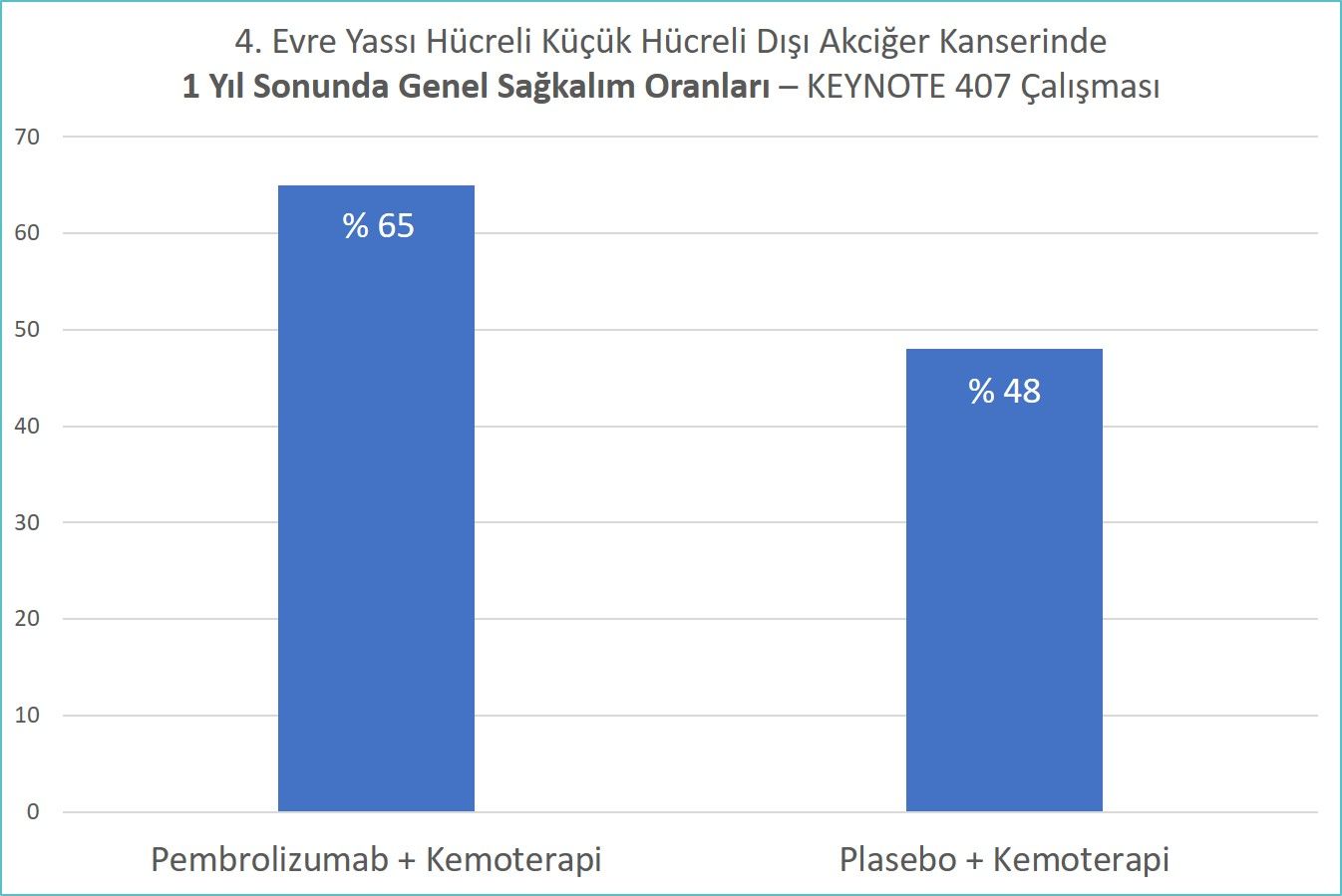
- At one year, % 48.3 of those receiving chemotherapy alone were alive, compared with % 65.2 of those treated with the immunotherapy+chemotherapy combination.
- The overall survival benefit of immunotherapy, PD-L1 was present regardless of the level of expression.
- Objective response rates did not differ between the paclitaxel and nab-paclitaxel groups.
- Comparing side effects, serious (grade 3 or higher) events were almost identical: %68.2 in the placebo+chemotherapy group versus % 69.8 in the immunotherapy+chemotherapy arm.
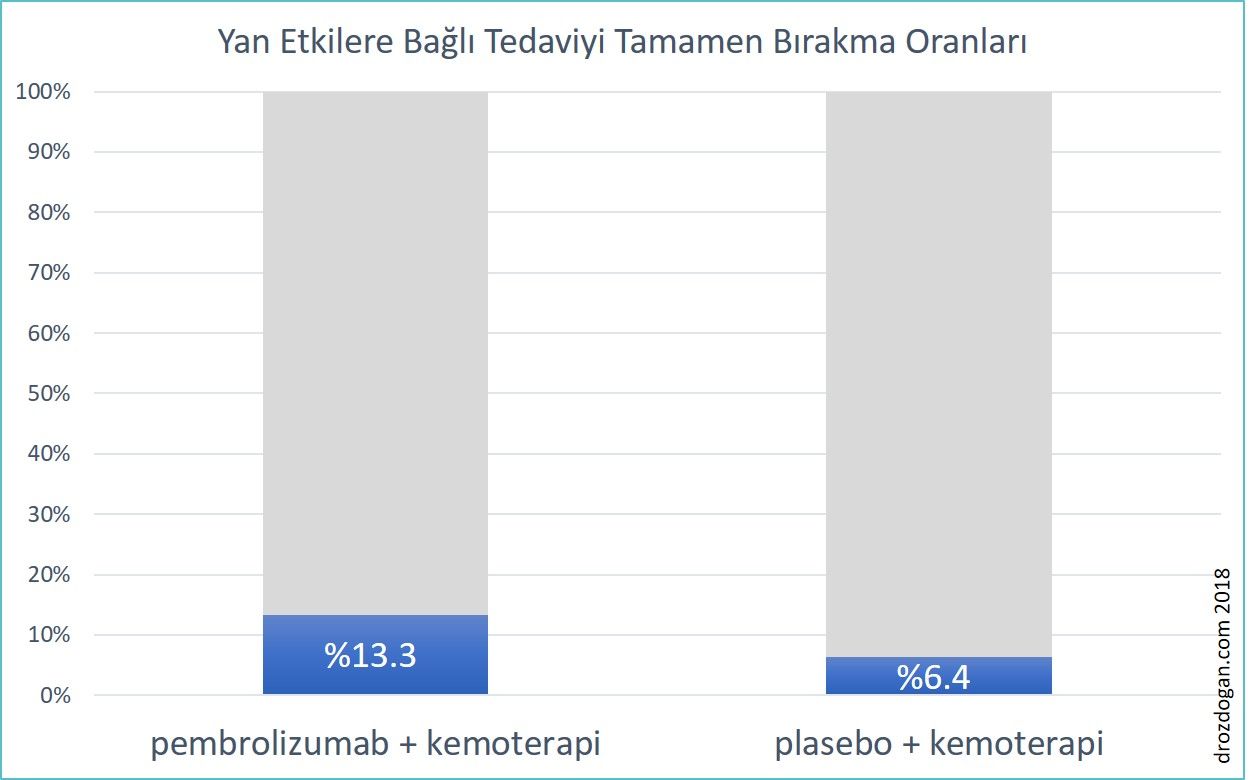
- However, discontinuation of all treatment components because of side effects occurred in % 13.3 of immunotherapy recipients versus % 6.4 in the control arm. Rates of fatal side effects were similar: % 8.3 in the pembrolizumab arm versus % 6.4 in the placebo arm.
- In the two paclitaxel groups, immunotherapy side effects showed no differences.


Steroids did not reduce the effect of immunotherapy
There had been interest in whether steroids required as premedication before paclitaxel administration affected immunotherapy efficacy.
A previous study had suggested that response rates to carboplatin plus paclitaxel or nab-paclitaxel were superior in squamous cell lung cancer patients not given steroids.
However, KEYNOTE-407 showed that, between groups receiving or not receiving immunotherapy, the use of steroids to reduce treatment side effects such as nausea did not change disease outcomes.
In conclusion, this study has the potential to change clinical practice by showing that adding immunotherapy to standard chemotherapy regimens prolongs survival in squamous cell lung cancer, an area with no meaningful progress for many years.
Related Topic:
- The Role of Immunotherapy in Small Cell Lung Cancer Treatment Is Strengthened by Atezolizumab
Sources
Pembrolizumab plus Chemotherapy for Squamous Non–Small-Cell Lung Cancer.
NEJM, 25 September 2018.
Was this article helpful?
Your feedback helps us improve our content.




Reader comments
Share your comment
Your name and comment are published only after administrator approval. Your email address is never shown to visitors.
Be the first to comment.